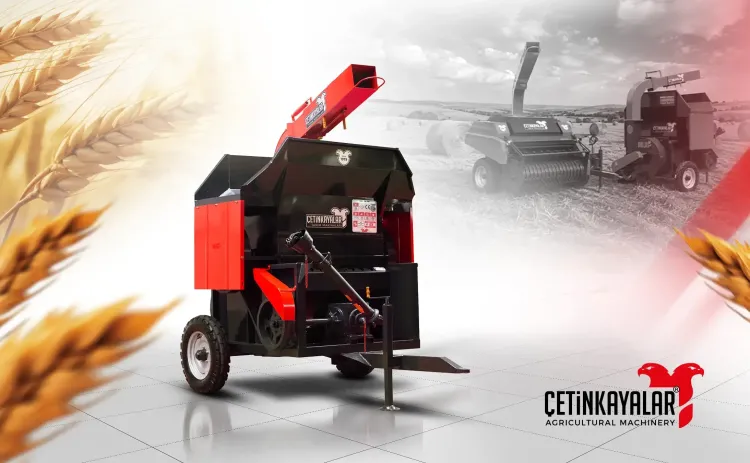
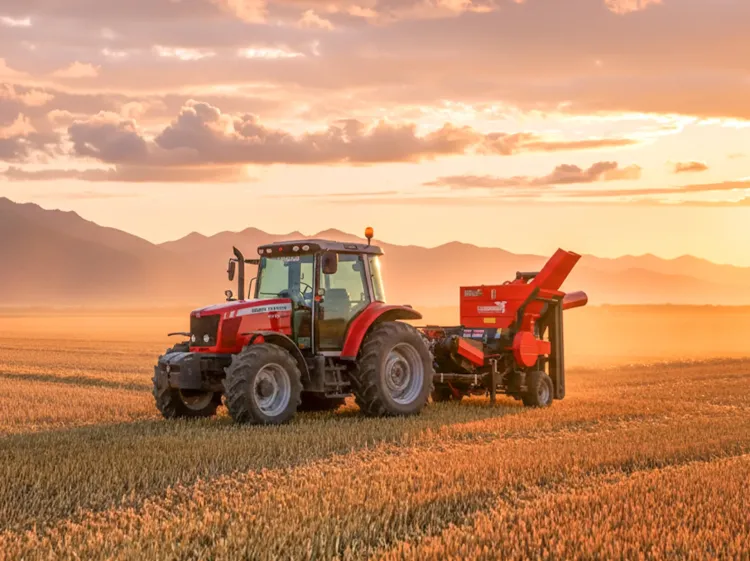
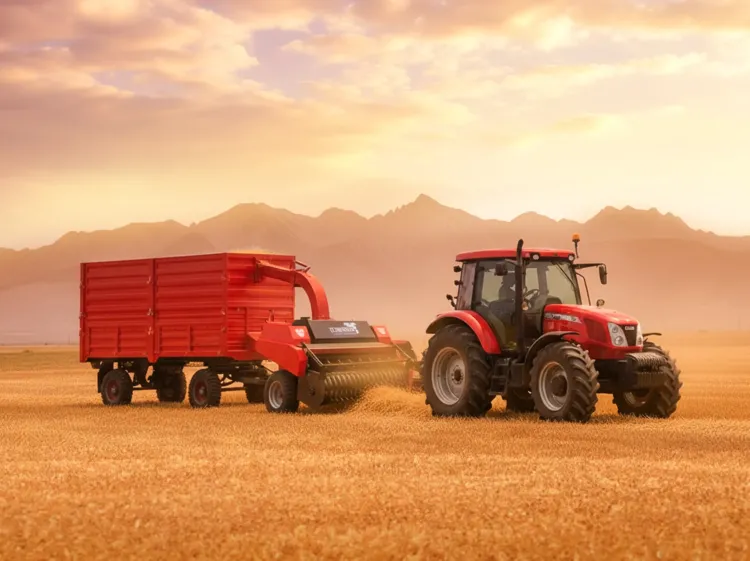

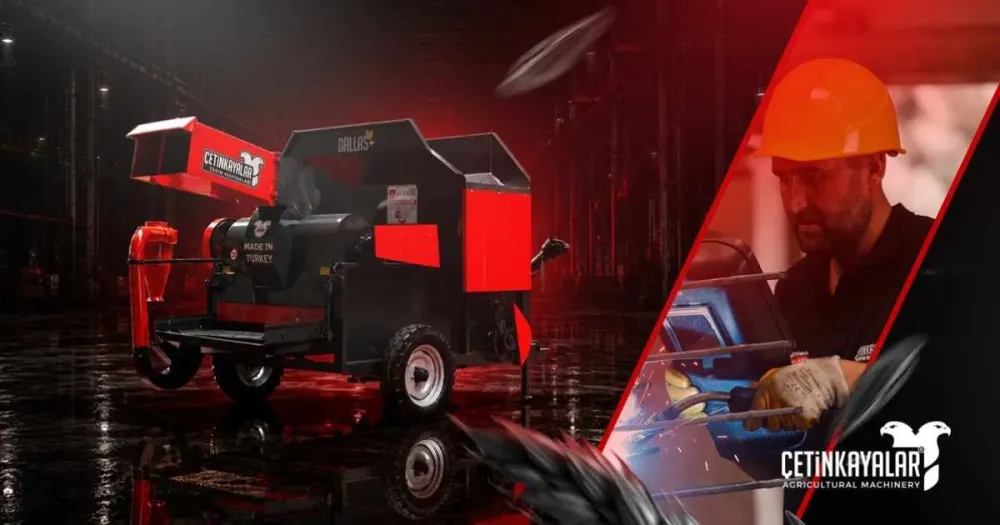
Thresher and Straw Chopper Tractor Horsepower (HP) Requirements
What horsepower (HP) should a tractor have for Threshing and Straw Choppers machines?
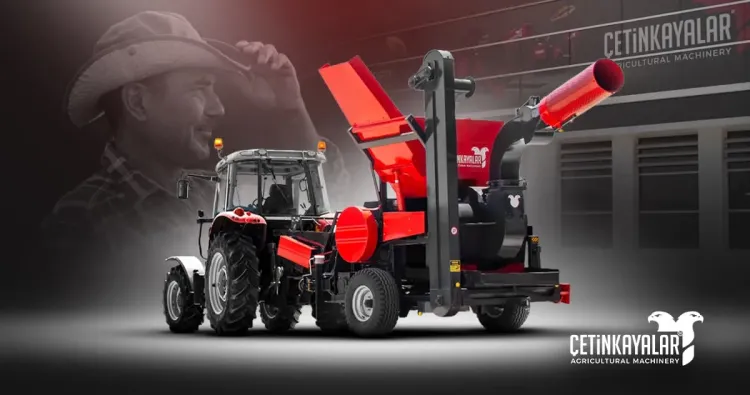
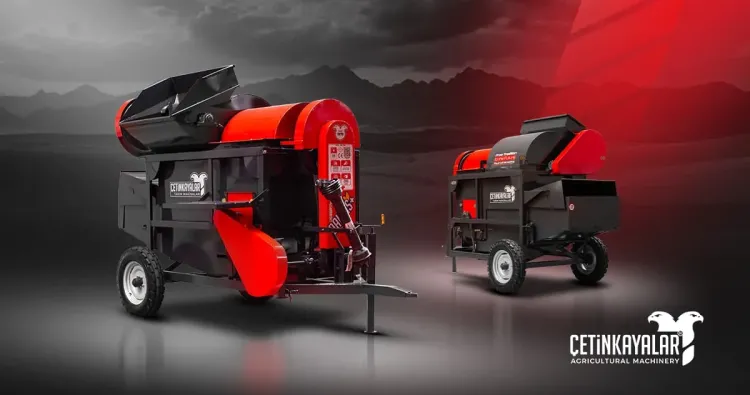
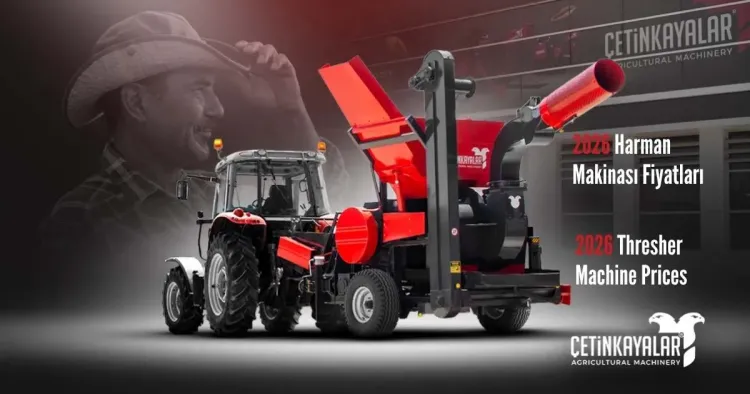
Threshing machines and straw choppers require between a minimum of 45 horsepower (HP) and a maximum of 90+ horsepower (HP) depending on the specific model layout; standard PTO-driven threshers operate efficiently within the 45-60 HP range, whereas professional knife system straw choppers and mobile hopper threshers demand 70-90 HP or more.
Established in the 1970s within the industrial hub of Konya, Cetinkayalar Agriculture has spent over half a century merging agricultural fieldwork needs with advanced engineering intelligence. By delivering highly durable, fuel-efficient harvester thresher series and specialized straw chopper machines designed to withstand harsh terrain, we maximize your farm's mechanical efficiency.
Thresher and Straw Chopper Tractor Horsepower (HP) Requirements: What is Needed?
One of the most frequent operational errors on professional farms is pairing a heavy-duty threshing machine with an underpowered tractor. This mismatch shortens the engine's service life and drastically increases fuel consumption during harvest. According to Cetinkayalar Agriculture engineering standards, specific horsepower ranges are critical to maintaining a continuous output of $2200\text{ kg/hr}$ without system clogging.
Two primary technical factors dictate the mechanical torque required from the tractor:
-
Power Take-Off (PTO) Speed: Our integrated gearbox configurations are optimized for a standard tractor PTO speed of $540\text{ rpm}$ (rotations per minute).
-
Mechanical Load Distribution: Heavy drum (cylinder) weights, the number of active elevators, and integrated cutting blades directly increase the torque demand placed on the tractor engine.
Tractor Horsepower Requirements by Threshing Machine Types (X vs Y)
To help you evaluate the right machinery asset for your farm, we break down the horsepower demands and operational trade-offs of the core thresher machine series:
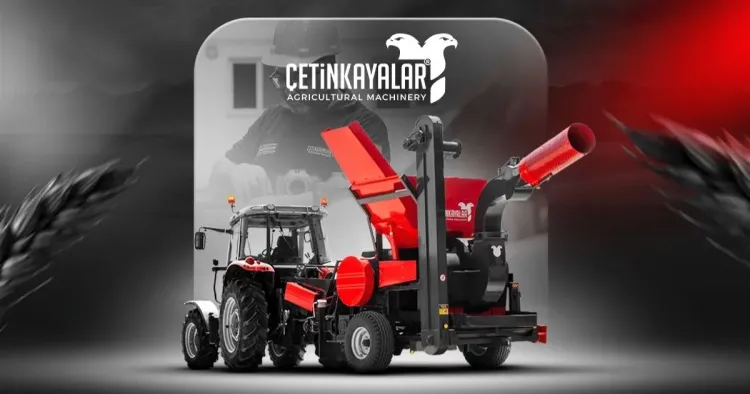
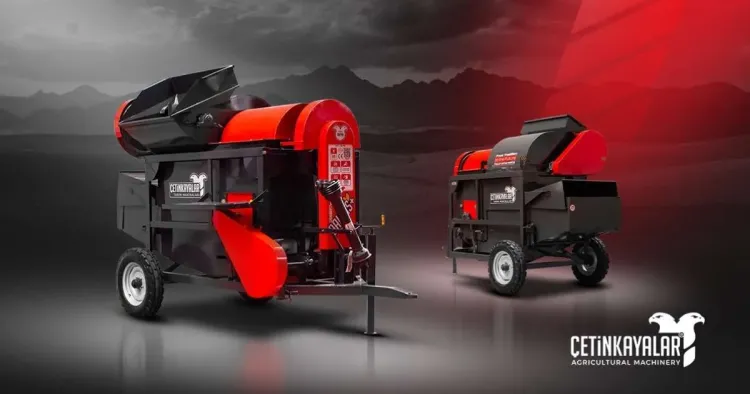
1. PTO Driven Standard Series (NCK-01) - Classic Performance
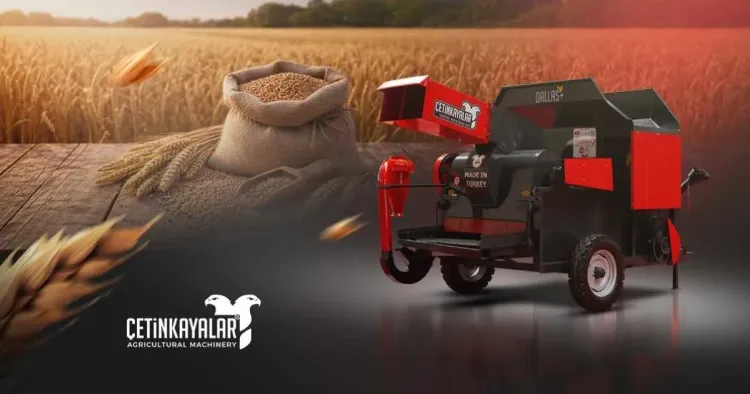
Engineered for small to medium-sized stationary operations, these models transmit rotational energy directly through a rigid gearbox.
-
Required Tractor Power: 45 - 60 HP.
-
Pros & Cons: Eliminates the extreme friction losses found in older belt systems, resulting in lower fuel costs. However, being stationary, it relies entirely on manual labor for crop feeding and bagging.
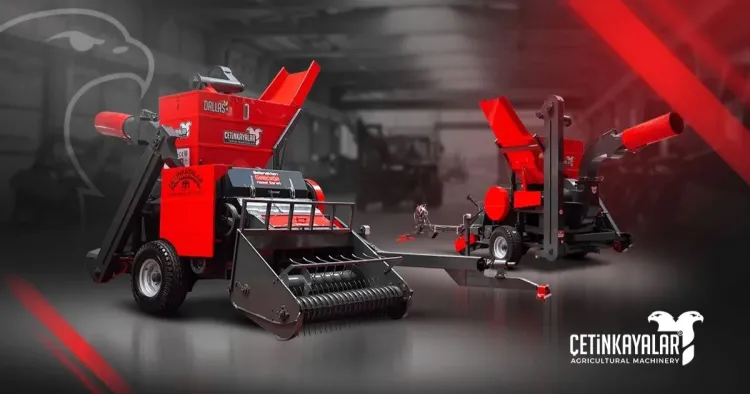
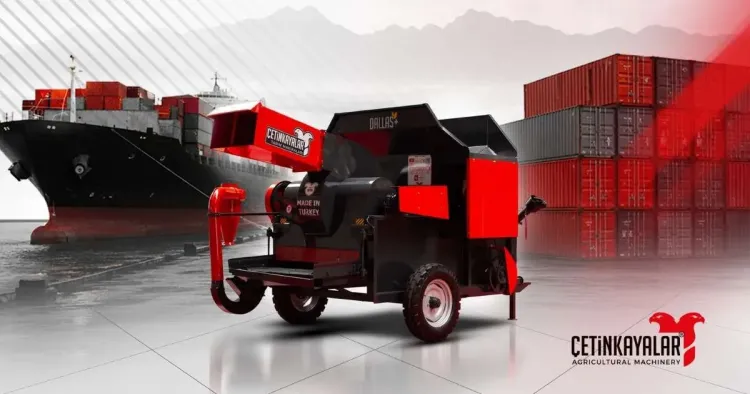
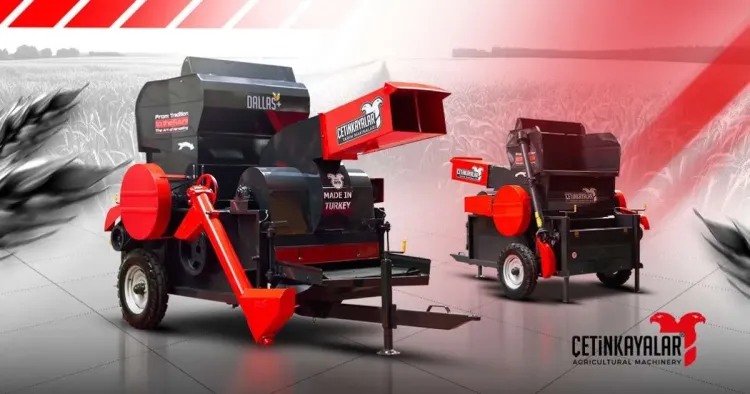
2. Mobile Hopper Series (NCK-02) - On-The-Move Harvesting
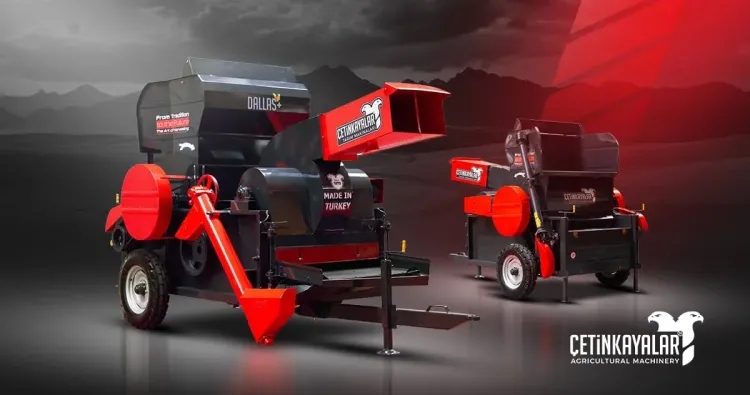
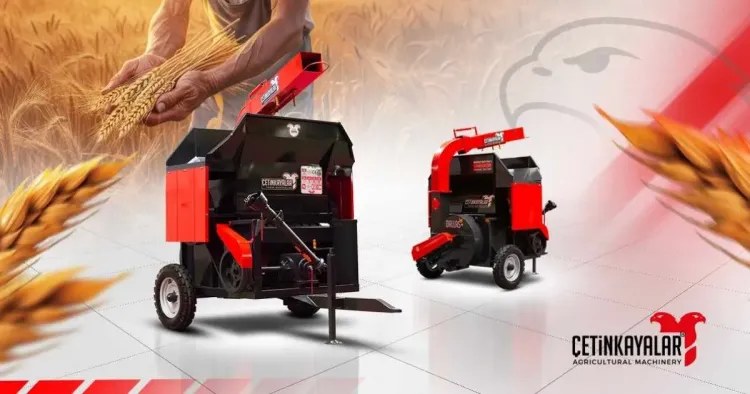
These mobile units follow behind the tractor and feature an integrated $750\text{ kg}$ grain hopper along with dual recycling elevators.
-
Required Tractor Power: 65 - 75 HP.
-
Pros & Cons: Completely removes the need for manual bagging staff. However, the added hydraulic weight and elevator mechanisms require more sustained engine torque.
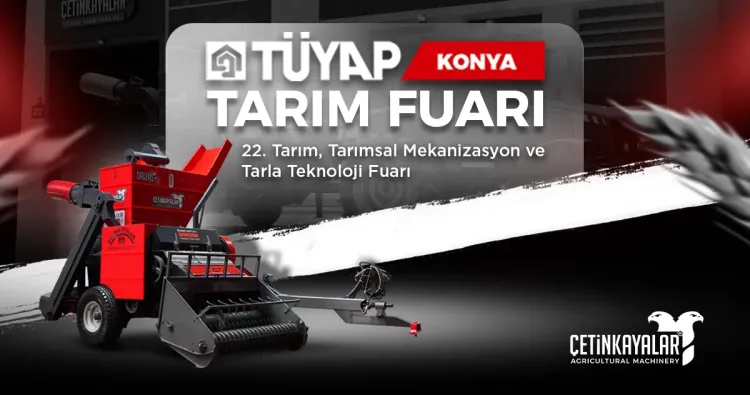
3. Automatic Pickup Series (NCK-04) - Full Automation
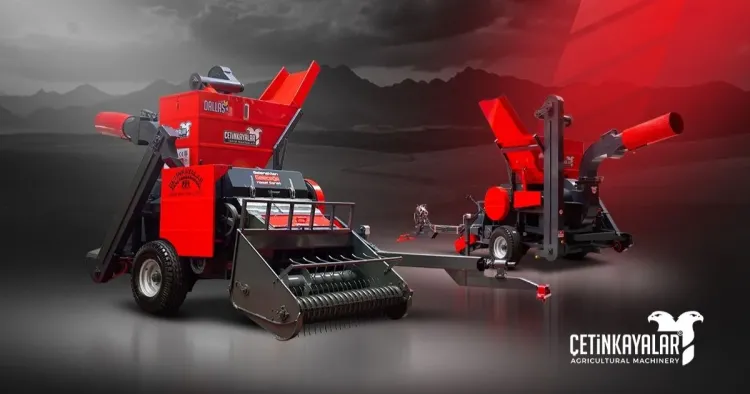
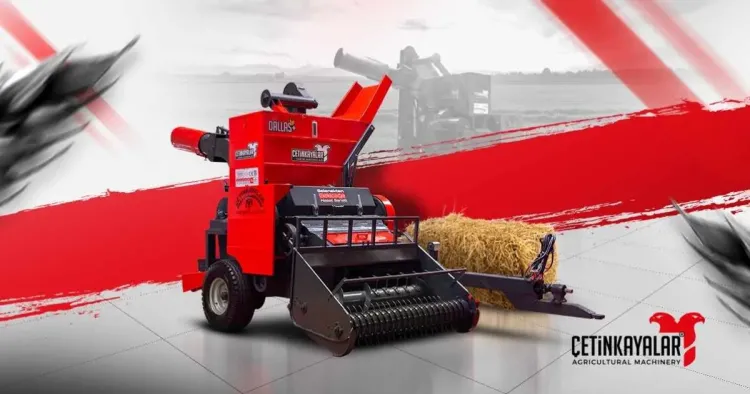
The top-tier automated solution that automatically gathers swathed crops directly from the ground via a wide $pickup$ header and deposits them into a massive 1-ton hopper.
-
Required Tractor Power: 75 - 90+ HP.
-
Pros & Cons: Eliminates field collection labor costs entirely. Perfect for large-scale operations, though it requires high-power tractor models to operate fluidly.
Why Horsepower Alignment is Critical for Straw Chopper Equipment
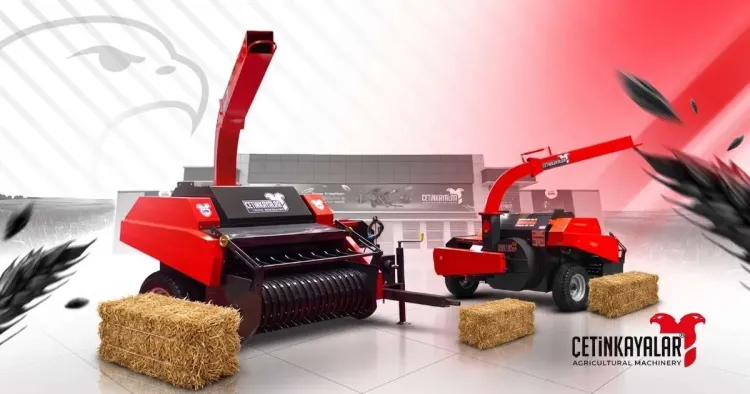
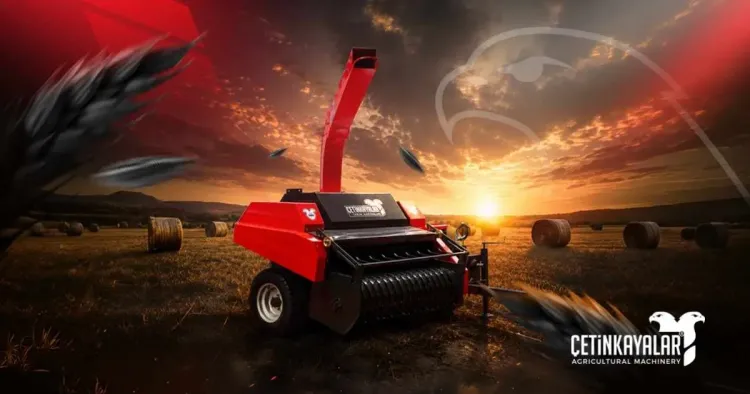
Compared to basic threshing units, a straw chopper creates massive, sudden load spikes on the tractor engine because it must actively shred robust crop stalks into fine forage fibers.
-
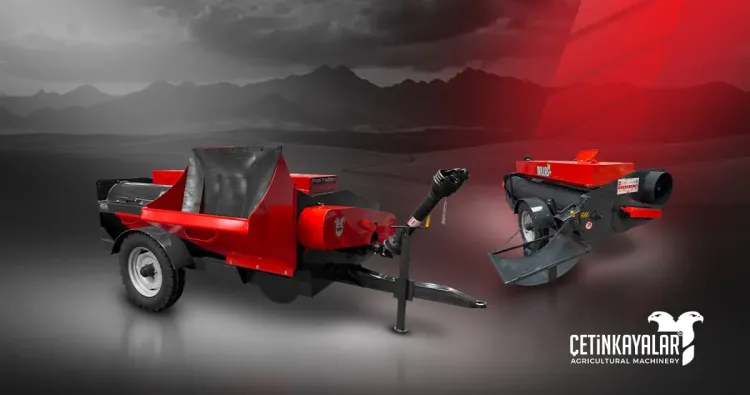
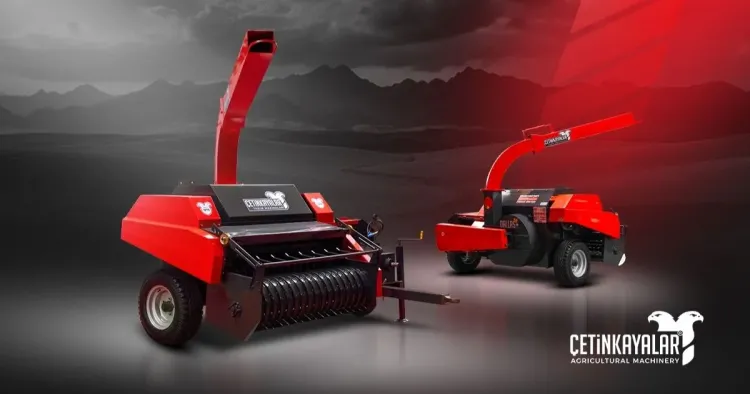
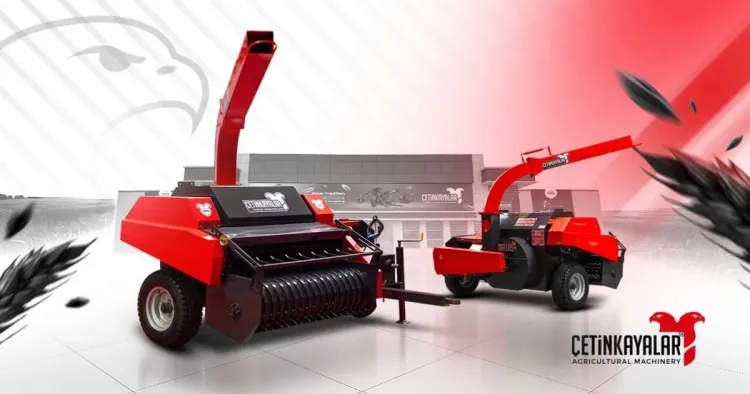
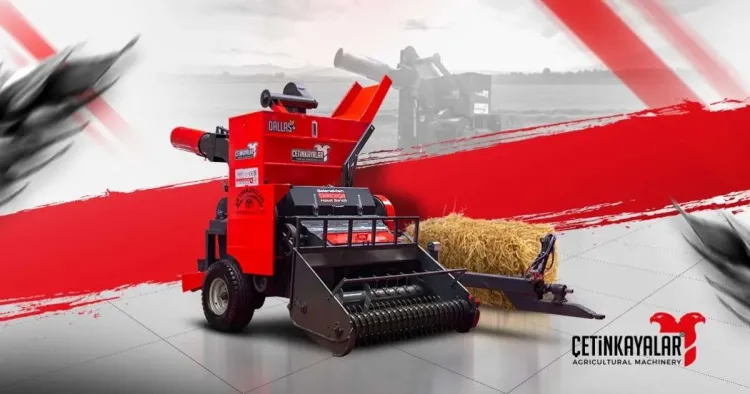
Standard Automatic Stem Collecting Series (NCK-03 SM): Utilizing a wide $1800\text{ mm}$ pickup unit, it gathers wheat, barley, or oat stalks left by combine harvesters. This mechanism requires a steady tractor baseline of 60 - 70 HP.
-
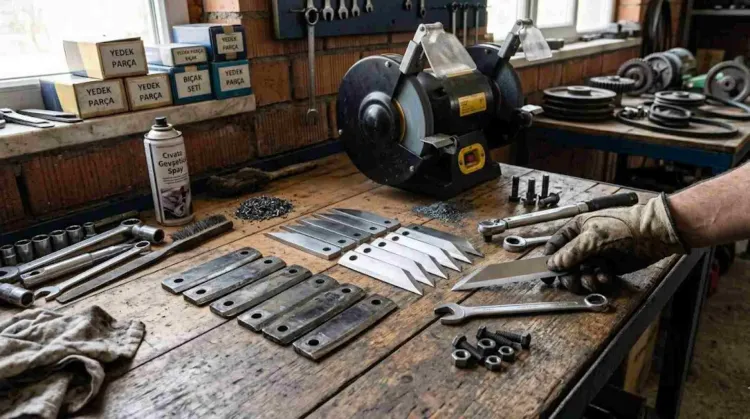
Knife (Chopper) System (NCK-03 SM): Equipped with 54 specialized steel blades within the main drum to slice stalks into a soft, digestible "fine chop" consistency. The immense cutting resistance makes a 75 - 85+ HP tractor absolutely essential.
-
Alfalfa & Forage Chopper (NCK-06 OM): Designed as a stationary hopper-fed unit for processing dried alfalfa or hay, this layout has a lighter power profile and runs smoothly with 50 - 60 HP tractors.
❓ Frequently Asked Questions (FAQ)
Our technical engineering team answers the most common inquiries regarding tractor integration, thresher usage, and thresher farm equipment management:
What happens if my tractor's horsepower rating is lower than the thresher's requirement?
If the tractor's engine output is insufficient, the threshing drum's RPM will drop sharply during heavy feeding. This causes immediate mechanical clogging, excessive belt slippage, unthreshed grain passing into the straw discharge, and forces the tractor engine to emit black smoke while wasting fuel.
Do Cetinkayalar multi-purpose thresher models require extra power for pulse crops?
No. Our advanced multi-crop thresher setups are dynamically balanced. Changing sieves and pulleys to transition from wheat to a small threshing machine setup for chickpeas, lentils, or beans modifies the processing physical layout, but the base $540\text{ rpm}$ tractor power requirements remain identical.
How do I verify power compatibility when looking at a used or small threshing machine?
When browsing a pre-owned wheat thresher machine or secondary market listings, analyze the previous tractor pairing and current gearbox state. Worn-out components or an imbalanced wheat thresher system can absorb up to 15% more horsepower simply due to internal parasitic mechanical friction.
How much tractor horsepower is needed to chop tough maize (corn) stalks?
Maize and soybean residues possess a dense, highly fibrous cellulose structure. To process these materials through a Cetinkayalar knife system straw chopper without structural clogging, the tractor must deliver at least 80 - 90 HP of steady, continuous torque.
What is the scope of Cetinkayalar Agriculture's service and parts warranty?
Every machine leaving our modern production line in Konya is fully backed by an international service presence and an immediate spare parts supply network. We guarantee that your machinery assets stay operational throughout the narrow, high-stakes harvest season.
People Also Ask - PAA
Do modern threshers save more fuel compared to old structural threshing equipment?
Yes. Older generational threshing equipment relies on inefficient, high-friction belt-and-pulley combinations that strain the engine. Cetinkayalar's enclosed gearbox transmissions route rotational energy with minimal mechanical loss, protecting your tractor and saving fuel.
Does a high-velocity rice thresher machine or straw blower impact tractor power?
Yes, the internal fans that blow processed straw into the accompanying trailer require substantial pneumatic energy. Ensuring that fan blades are clean and perfectly balanced prevents unnecessary power draw from the tractor's engine.
If you enjoy the content of Thresher and Straw Chopper Tractor Horsepower (HP) Requirements, Please visit our news page for more content.
Please contact us for more information.