
In Pursuit of Efficiency, In Search of Power
In Pursuit of Efficiency, In Search of Power: Choosing the Right Threshing & Straw Chopper Machine
Quick Answer: The right threshing machine or straw chopper directly determines your farm's efficiency and harvest cost. Cetinkayalar Agriculture, manufacturing since 1970 in Konya, Turkey, offers PTO-driven, mobile hopper, and fully automatic pickup models — all at 2200 kg/hr capacity with zero-loss engineering.
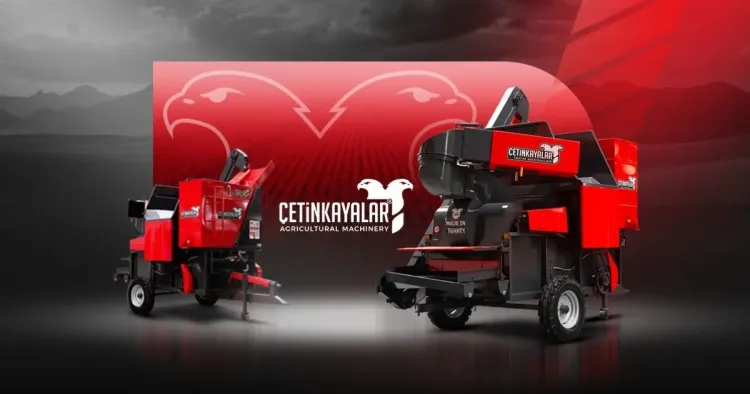
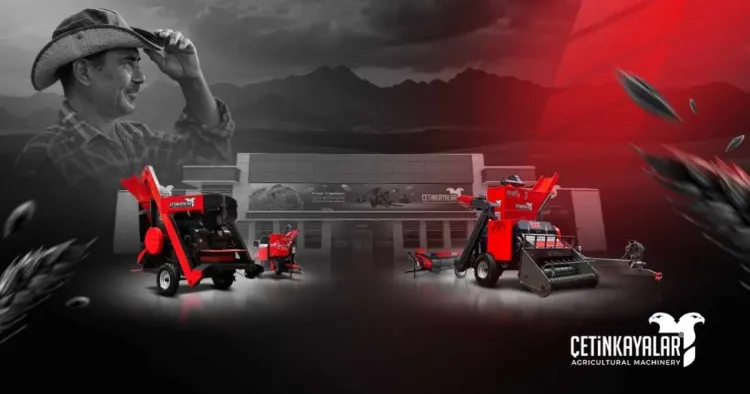
Since 1970, Cetinkayalar Agricultural Machinery has combined the farmer's hard work with engineering power. Headquartered in Konya, Turkey, the company exports to markets from Asia to Africa and Europe, delivering proven threshing machines (patoz) and straw choppers under the 'Turkish Machinery' quality banner.
This article covers model comparisons, technical differences, and selection criteria to help you make the right investment decision.
What Is a Threshing Machine and Which Model Should You Choose?
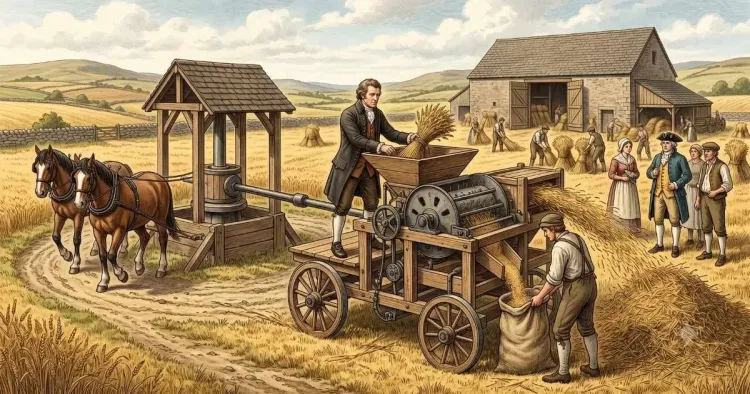
A threshing machine separates grain from the straw and husks of harvested crops. It can bag, auger, or transfer grain to a hopper. Standard crops include wheat, barley, chickpeas, and lentils, with simple adjustments for dozens more.
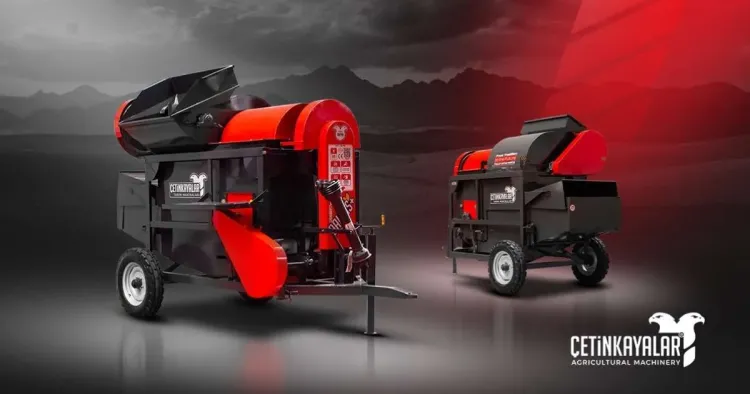
PTO Driven Standard Series (NCK-01): Reliable Power for Small-to-Mid Farms
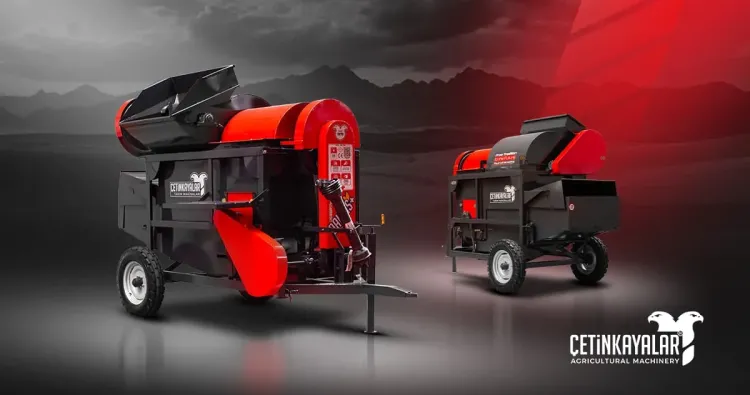
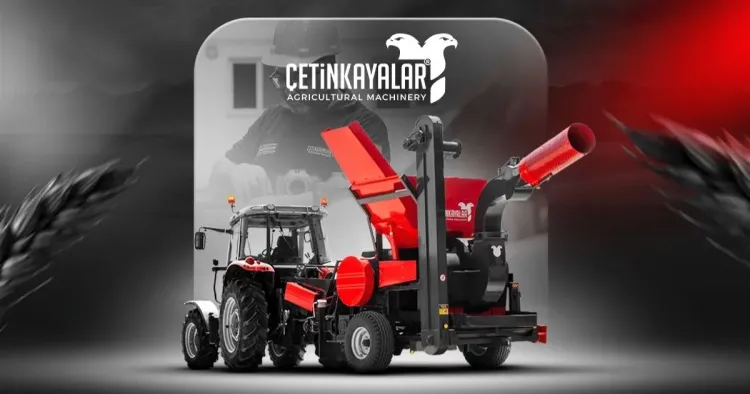
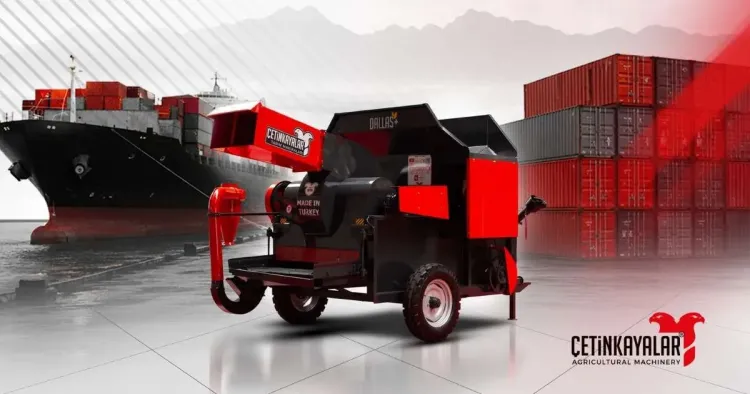
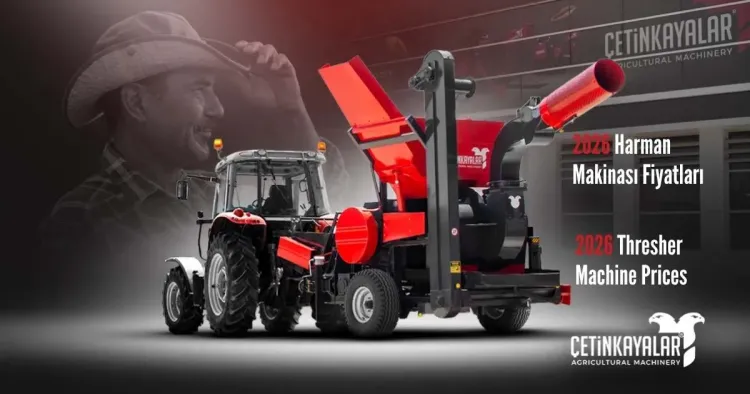
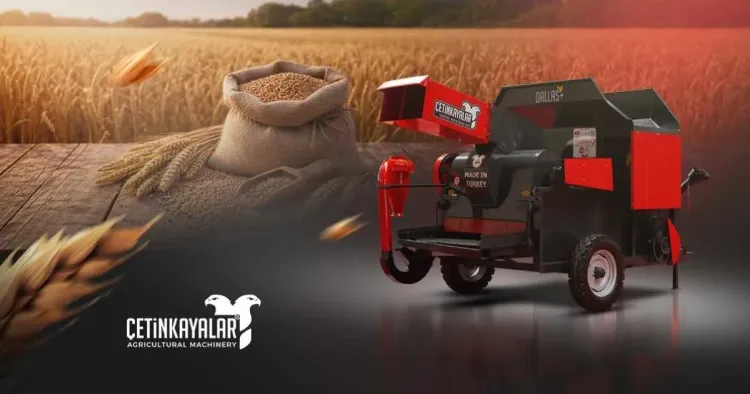
Powered directly by the tractor's PTO shaft, this series eliminates belt-driven energy loss, reducing fuel consumption. It is available in three variants: Bagging Type, Auger (Screw Conveyor) Type, and Gear Box (HMS). Operating at 2200 kg/hr, it is the economical choice for entry-level operations.
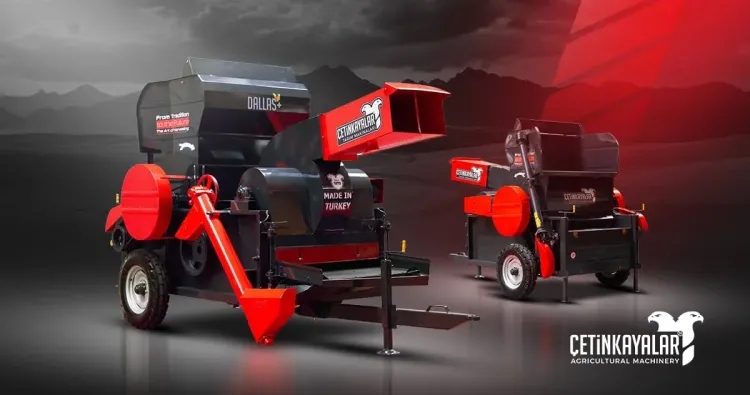
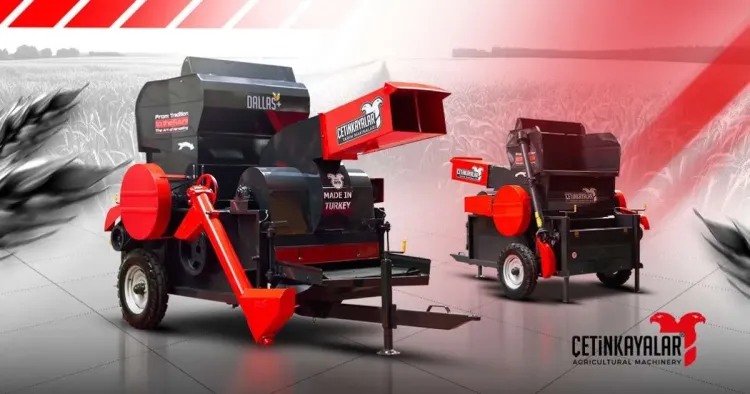
Mobile Hopper Series (NCK-02): The Factory in the Field
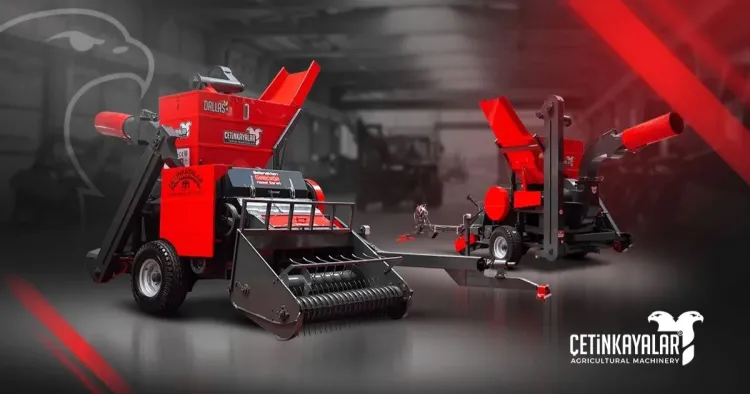
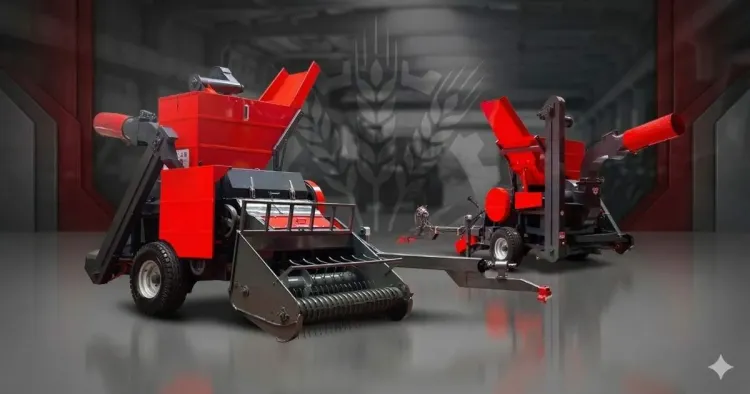
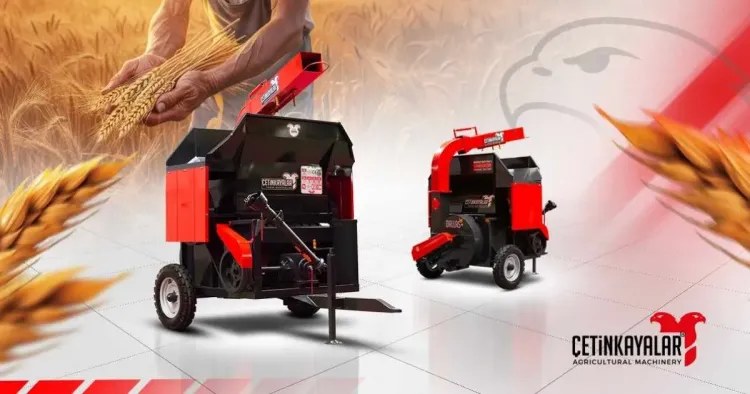
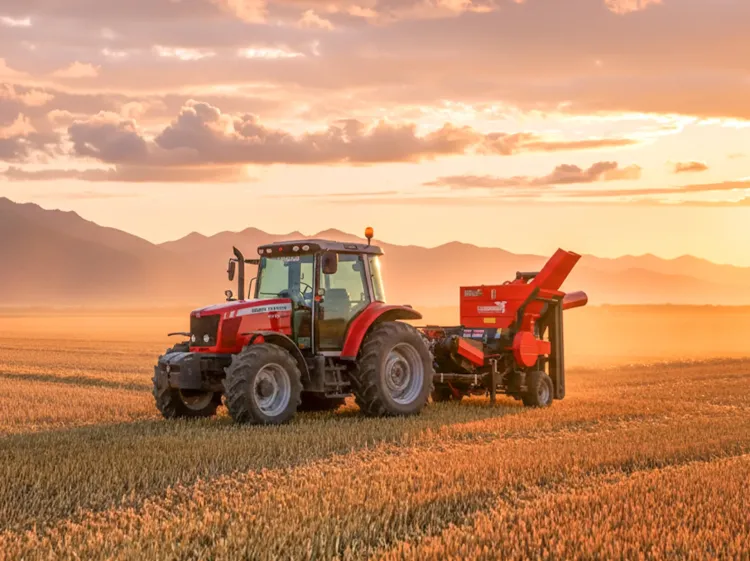
This series eliminates manual bagging with its 750 kg integrated hopper and travels with the tractor during harvest. The Single Elevator model handles standard cereals and pulses, while the Double Elevator (Recycling System) model re-threshes uncleaned pods — essential for crops like red lentils where 100% purity is required.
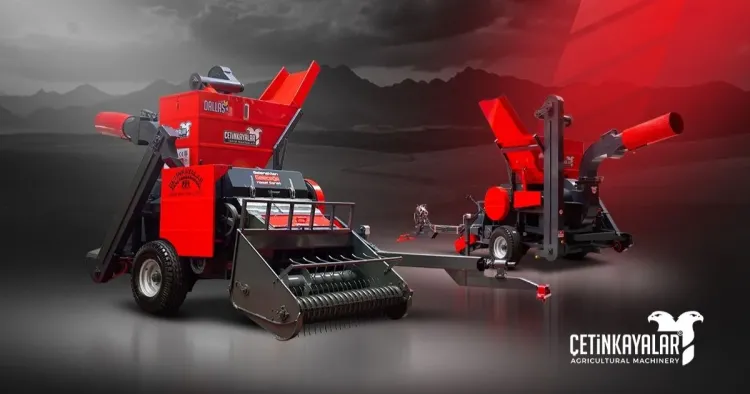
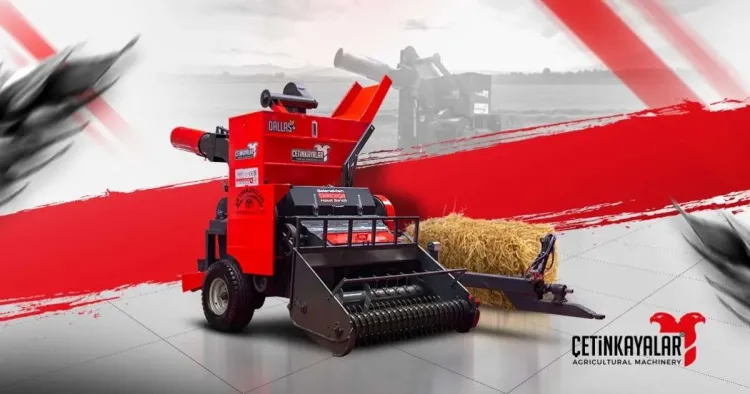
Automatic Pickup Series (NCK-04): Zero Labor Cost Automation
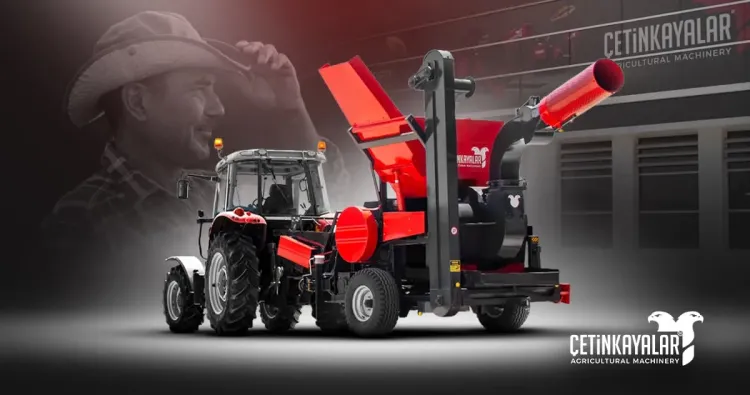
The most advanced series in the lineup automatically picks up swathed crops from the ground, threshes, and loads them into a 1-ton hopper. Available in Single and Double Elevator variants, this is the preferred choice for large farms focused on labor cost reduction and maximum throughput.
Specialty Series: Groundnut & Watermelon/Pumpkin Seed
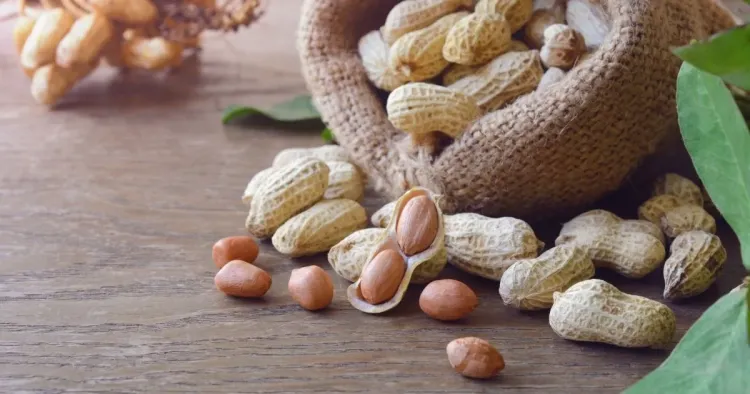
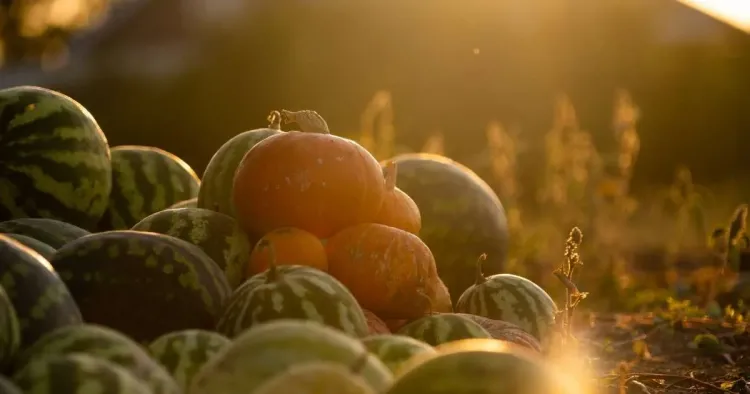
The NCK-05 Groundnut Thresher uses a precision drum that separates peanut pods without shell damage. The newest model, NCK-07 KM, processes watermelon and pumpkin seeds at an industry-leading 20,000 kg/hr capacity.
What Is a Straw Chopper? Knife System vs. Standard Model — Which Should You Choose?
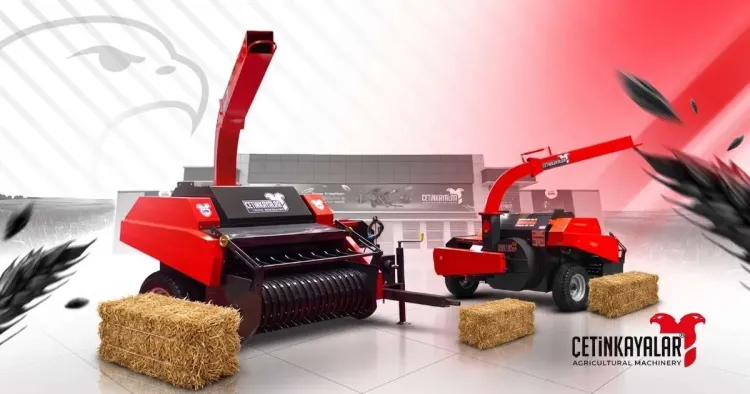
A straw chopper converts combine harvester residues or dried forage crops into animal feed-quality straw. For livestock operations, it significantly reduces winter feed procurement costs.
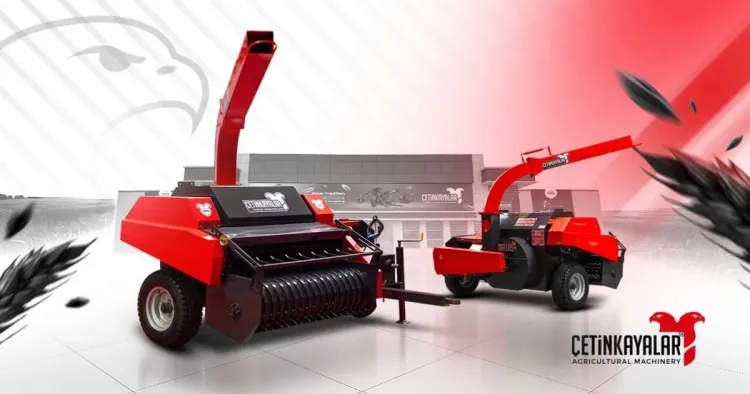
Automatic Stem Collecting Standard Series (NCK-03 SM): Efficient Stubble Management
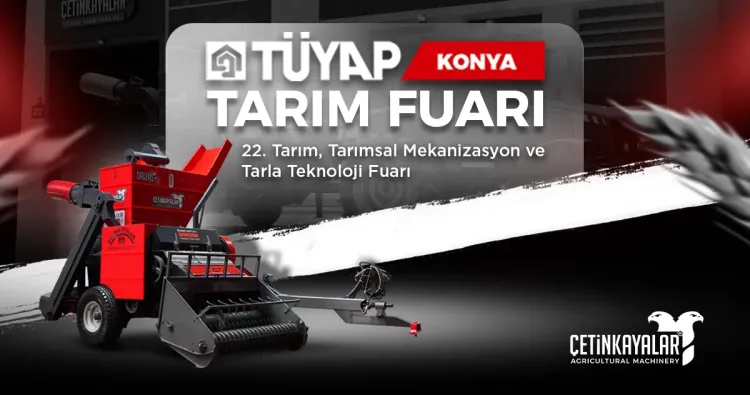
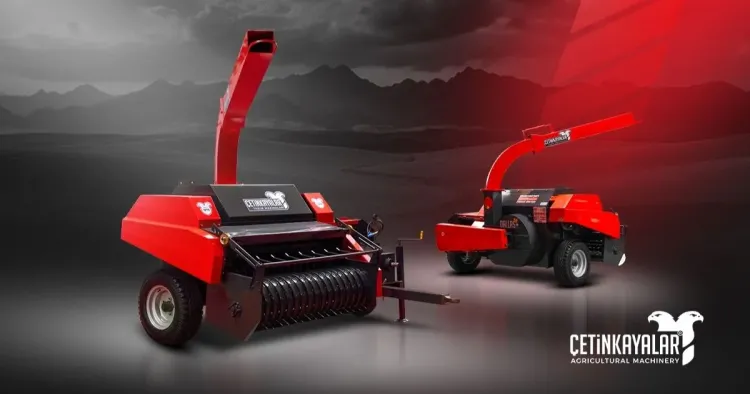
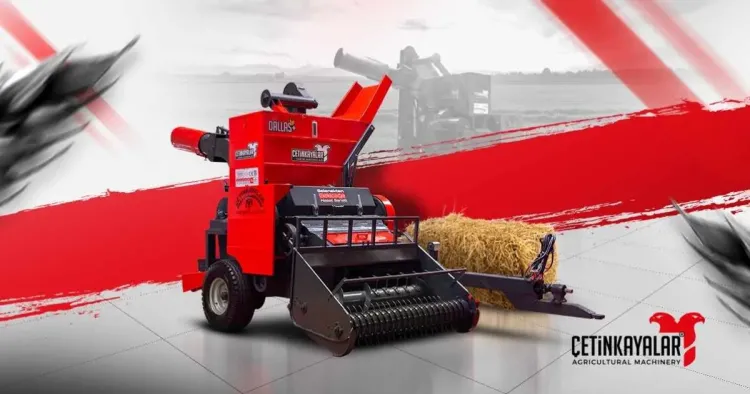
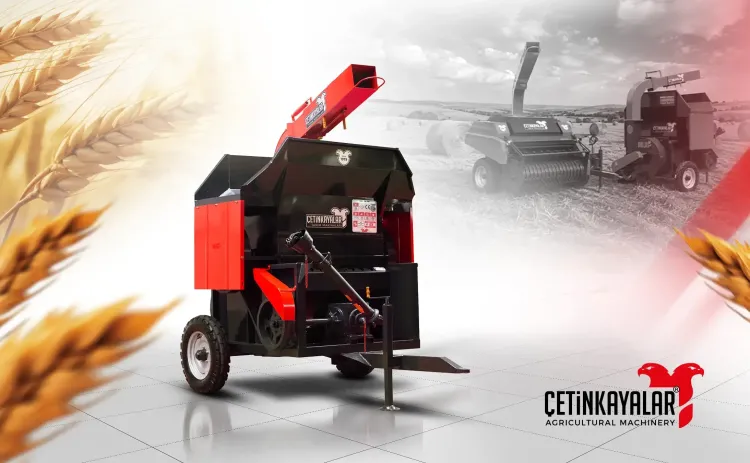
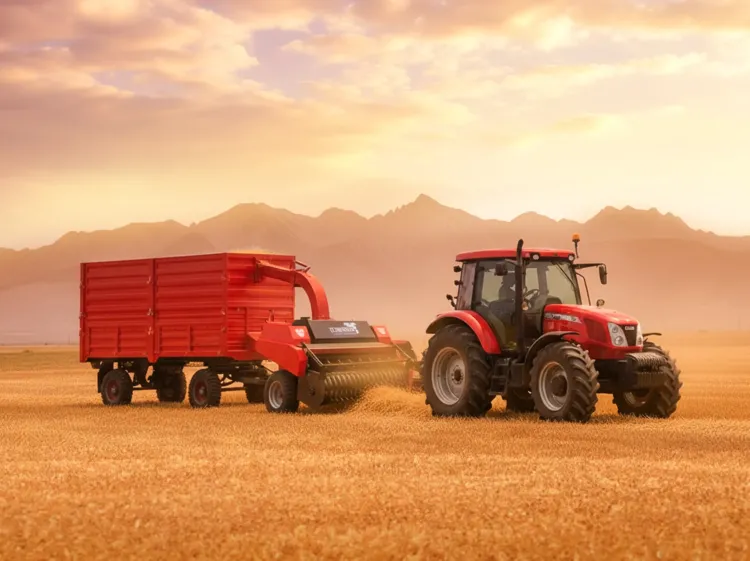
Using a 1800 mm wide pickup unit, this series automatically collects stalks from the field and processes them at 2200 kg/hr. It handles wheat, barley, oat, maize, and soybean stalks, chopping and loading them directly into a trailer. It eliminates manual labor entirely.
Knife System (NCK-03 SM Knife): Fine Chop Straw for Higher Livestock Yield
Equipped with 54 specialized blades in the drum, this model cuts stalks into fine fibers rather than just crushing them. The result is soft, cotton-like 'fine chop' straw that improves livestock digestion and positively impacts milk and meat yields. It operates effectively on hard-structured maize stalks without clogging.
Alfalfa & Forage Chopper (NCK-06 OM): Hopper-Fed Stationary Solution
Designed for dried alfalfa, vetch, and hay, this model uses a 1200 mm feeding hopper for manual or mechanized loading. Its precision drum preserves the protein-rich leaves of alfalfa, maintaining nutritional value. Also known as a stationary forage chopper or 'Ot Patozu.'
|
Standard Straw vs. Knife System — Quick Comparison Standard Model (NCK-03 SM) ✅ Pros: Lower cost, wide crop compatibility, easy maintenance ❌ Cons: Coarser straw, lower digestibility rate for livestock Knife System (NCK-03 SM Knife) ✅ Pros: Fine chop straw, higher livestock yield, effective on maize stalks ❌ Cons: Slightly higher initial investment |
Why Cetinkayalar? 50 Years of Field-Proven Engineering
Behind every machine exported from Konya lies over half a century of metallurgical and mechanical engineering expertise. Cetinkayalar Agriculture carries the 'Turkish Machinery' standard to global markets across four continents.
- All models operate at 2200 kg/hr capacity
- Impact-resistant steel body with PTO-optimized gearbox
- Unlimited spare parts support — your harvest never stops
- Widest threshing and straw chopper product range in Turkey
- Export-oriented growth serving Asia, Africa, Europe and the Middle East
Frequently Asked Questions (FAQ)
1. What is the difference between a thresher and a combine harvester?
A combine harvester cuts the crop from the field and threshes it in one pass. A threshing machine (patoz) processes already-cut and swathed crops. Threshers are lower-cost, tractor-powered alternatives ideal for small to mid-scale farms or specialty crops not suited for combines.
2. Which threshing machine model should I select?
For farms with available labor and flat terrain, the cost-effective NCK-01 PTO series is ideal. For labor savings and automated transport, choose the NCK-02 Hopper Type. For fully automatic operation with zero manual input, the NCK-04 Automatic Pickup is the best choice. Specialty crops require NCK-05 (groundnut) or NCK-07 KM (watermelon/pumpkin seed).
3. Can the Knife System model (NCK-03) handle maize (corn) stalks?
Yes. The Knife System model is specifically effective on hard-structured maize and soybean stalks. The reinforced drum with 54 blades processes tough stalks without clogging, producing fine-quality straw for livestock feeding.
4. What crops can be harvested with Cetinkayalar threshing machines?
Cetinkayalar threshers are multi-crop machines. Standard crops include wheat, barley, and oats. With simple pulley and sieve changes, you can harvest chickpeas, lentils, beans, broad beans, vetch, cumin, and groundnuts (NCK-05 model).
5. How does Cetinkayalar's after-sales service work?
Cetinkayalar maintains a nationwide service network in Turkey with continuously stocked spare parts. The company's 50-year manufacturing continuity ensures parts availability even for older models. International export clients are supported through the company's global distribution partnerships.
People Also Ask (PAA)
How do I choose between a single elevator and double elevator thresher?
A single elevator model is sufficient for most standard cereals (wheat, barley). A double elevator (recycling) model is essential when harvesting difficult-to-separate crops like red lentils, where the recycling system re-threshes uncleaned pods and ensures 100% grain purity.
How much straw does a straw chopper produce per hour?
All Cetinkayalar straw chopper models operate at 2200 kg (2.2 tons) per hour. This capacity is sufficient to complete a mid-size livestock farm's full winter feed stock within a single harvest season.
What is the fuel consumption of a PTO-driven threshing machine?
PTO-driven models draw power from the tractor's engine — no additional fuel motor is required. Fuel consumption depends entirely on the tractor used. The gearbox (HMS) variants minimize belt-driven energy loss, improving overall tractor fuel efficiency by eliminating transmission slip.
Is a thresher machine worth buying for a small farm?
For small farms growing cereals or pulses, the NCK-01 PTO series offers an economical entry point. It reduces post-harvest labor significantly and pays for itself within a few seasons, particularly if the farmer currently hires third-party threshing services.
If you enjoy the content of In Pursuit of Efficiency, In Search of Power, Please visit our news page for more content.
Please contact us for more information.