
Who Invented the Threshing Machine?
Who Invented the Threshing Machine? The Dawn of Modern Agriculture
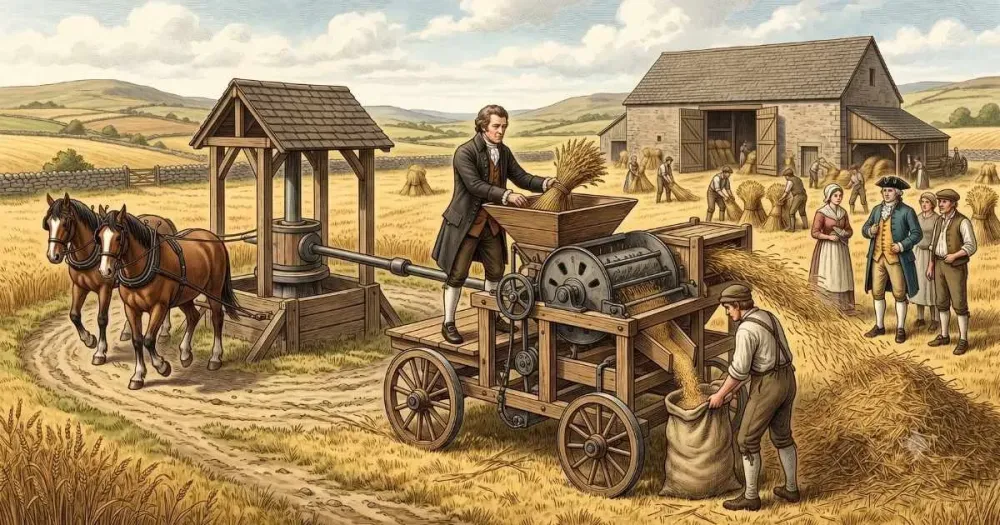
The threshing machine was invented by the Scottish engineer Andrew Meikle in 1786. Meikle’s breakthrough design used a rotating drum (beater) to separate grain from stalks, effectively replacing manual labor and laying the foundation for modern harvesting technology.
What is a Threshing Machine and How Did It Change Farming?
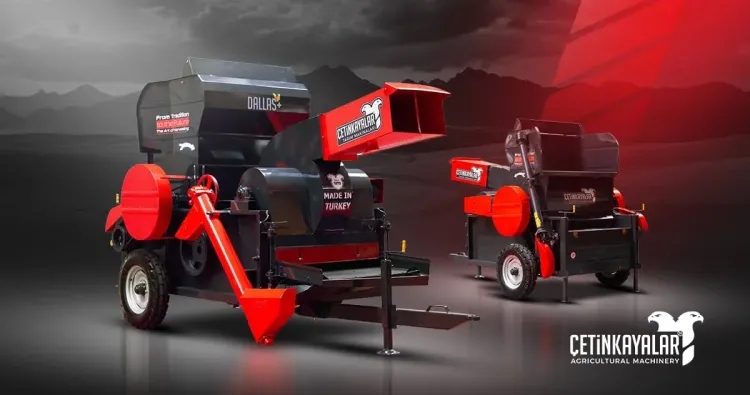
A threshing machine (locally known as "Patoz" in Turkey) is a mechanical device used to separate seeds of wheat, barley, chickpeas, and other crops from their husks and straw. Before Meikle’s invention, this was a back-breaking process done by hand or using primitive "threshing sledges." Meikle’s engineering increased productivity by over 1000%.
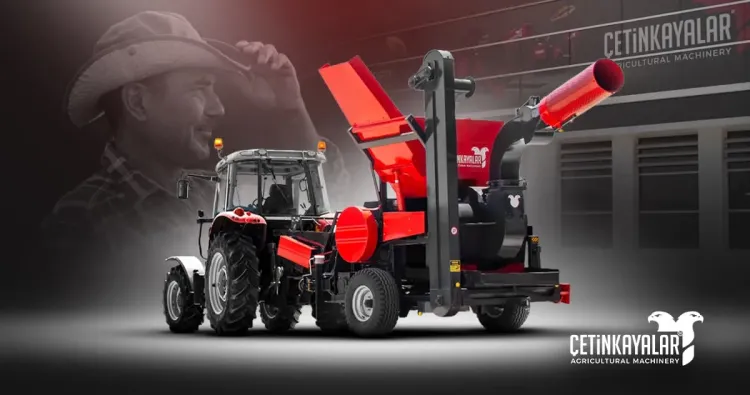
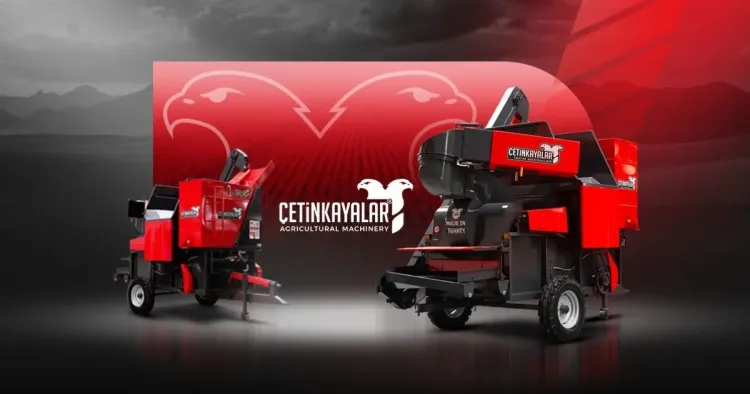
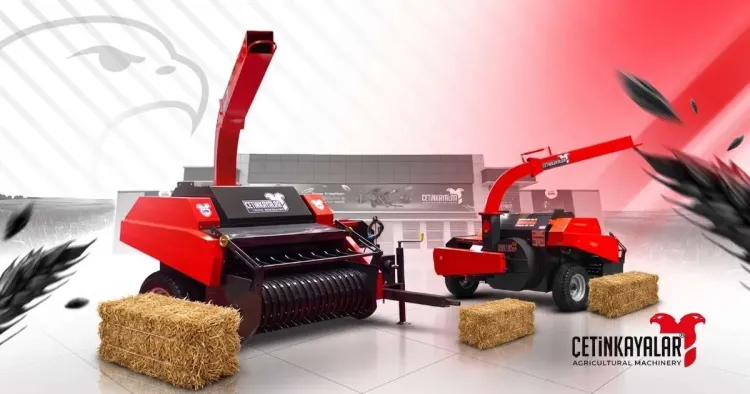
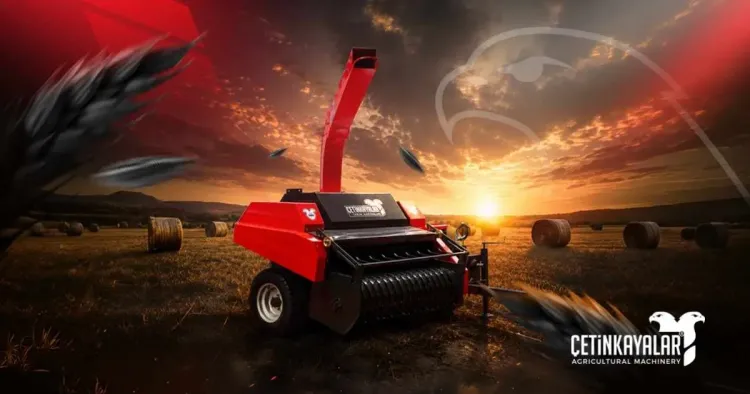
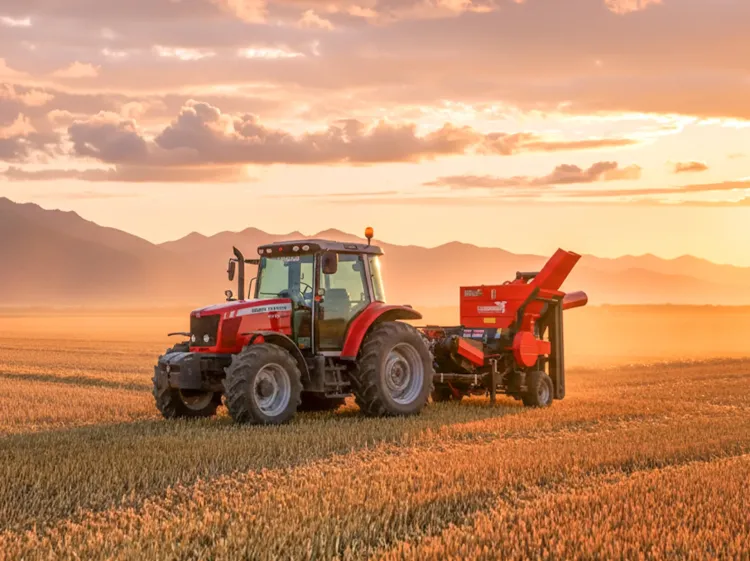
Today, this technology has reached its peak with Cetinkayalar Agriculture’s 50+ years of experience, introducing features like gearbox systems, mobile hoppers, and "Automatic Pickup" technologies.
Cetinkayalar Agriculture vs. Traditional Harvesting Methods
For farmers in the decision-making stage, technological differences play a vital role in long-term profitability:
| Features | Traditional Threshing (Old Method) | Cetinkayalar Modern Thresher |
| Capacity | Low (Dependent on manual labor) | 2200 kg/hour (Constant Yield) |
| Grain Purity | 70-80% (Dusty / Broken grains) | 99% (Flawless Separation) |
| Fuel Efficiency | Low efficiency / High human effort | Maximum savings via custom gearbox |
| Crop Diversity | Cereals only | Multi-Crop (Chickpeas, Beans, Peanuts, etc.) |
Modern Threshing Machine Technologies: Cetinkayalar Standards
Cetinkayalar Agriculture offers four main series to meet global agricultural needs:
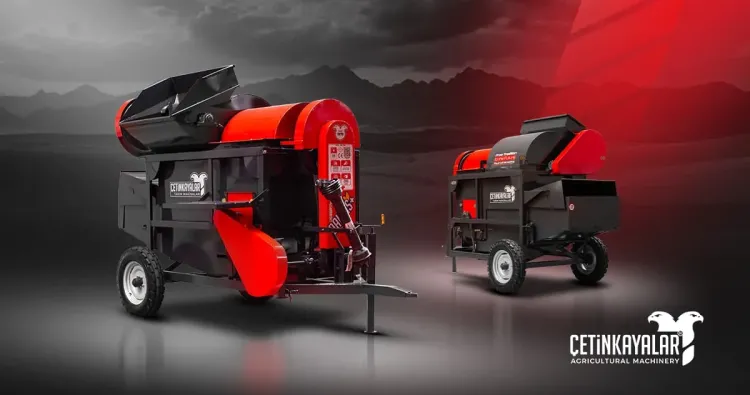
1. PTO Driven Series (NCK-01)
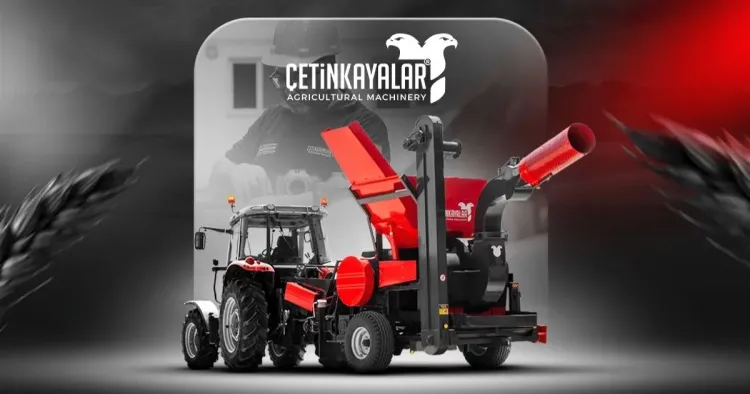
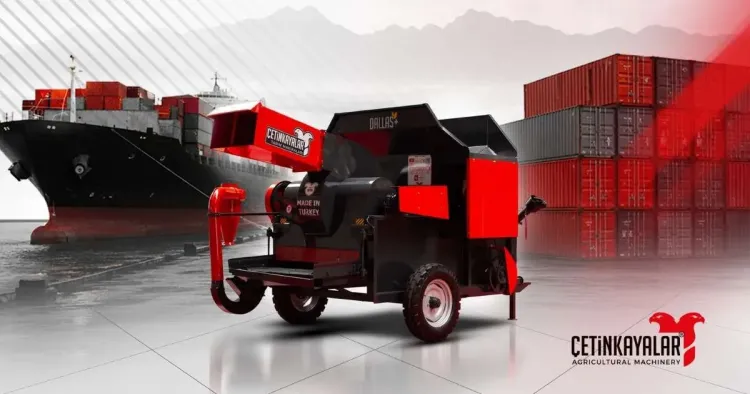
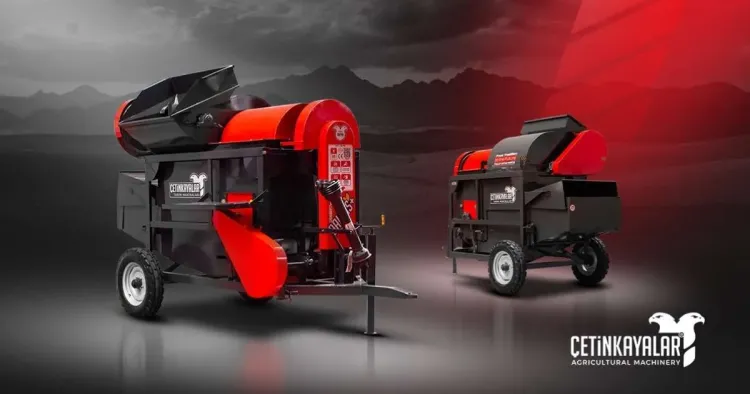
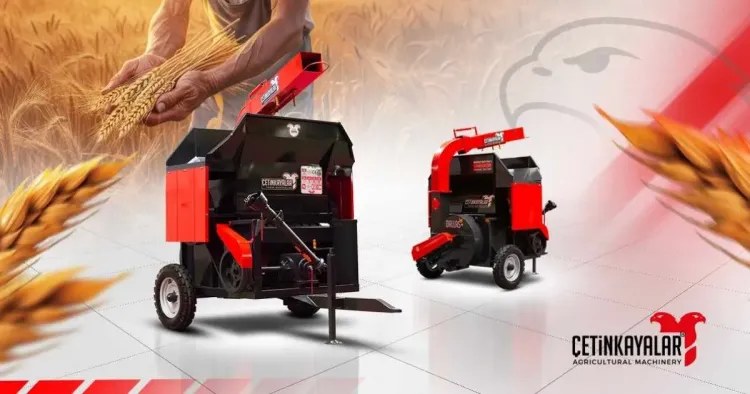
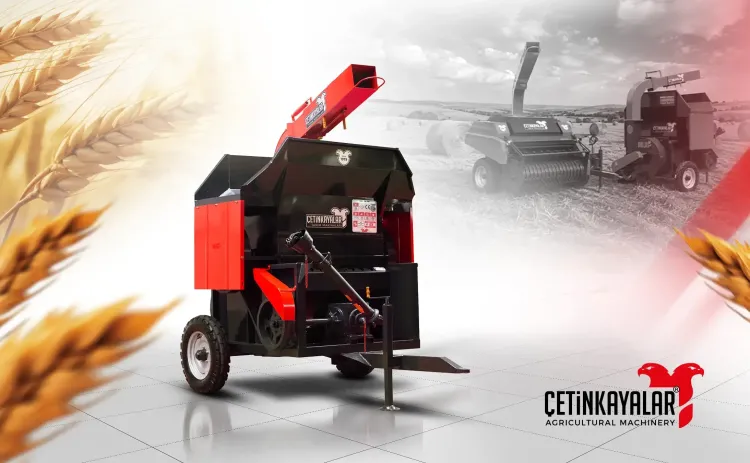
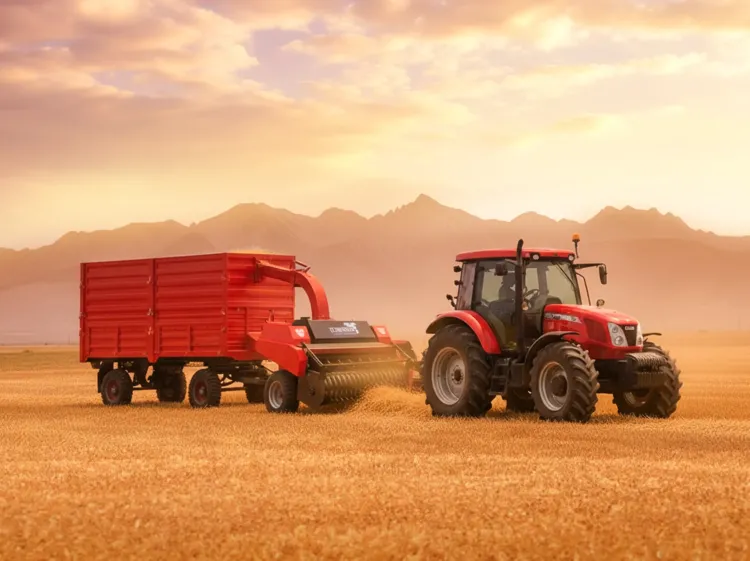
Powered directly by the tractor’s power take-off (PTO), these machines eliminate belt slippage, ensuring maximum fuel efficiency and consistent drum speed.
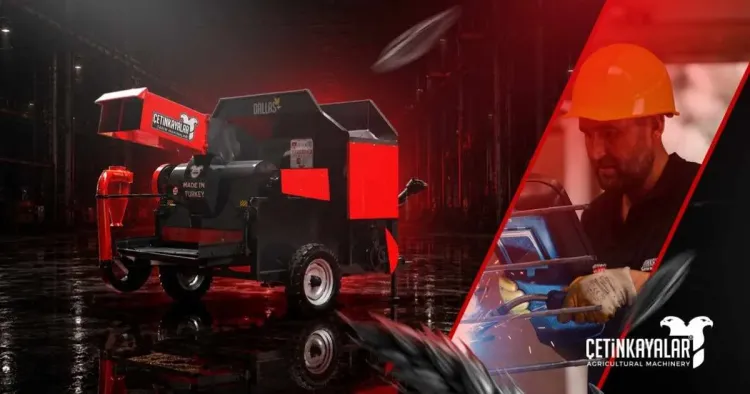
2. Mobile Hopper Series (NCK-02)
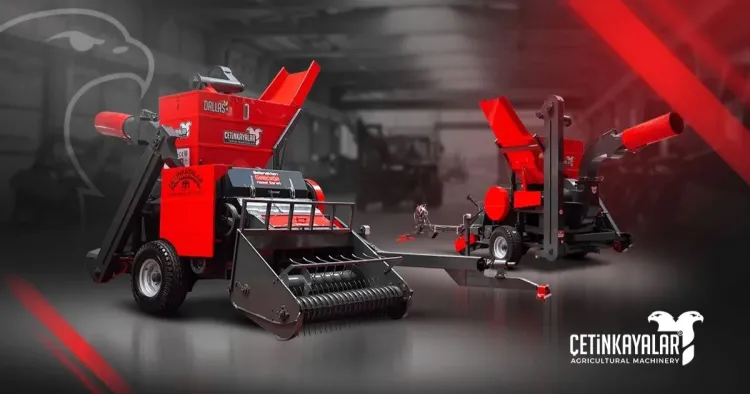
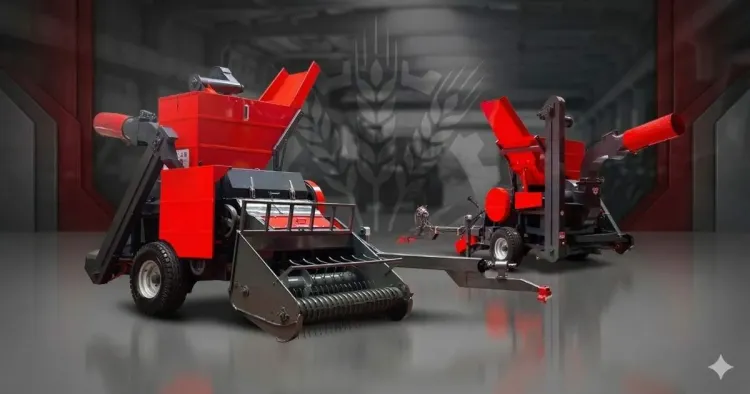
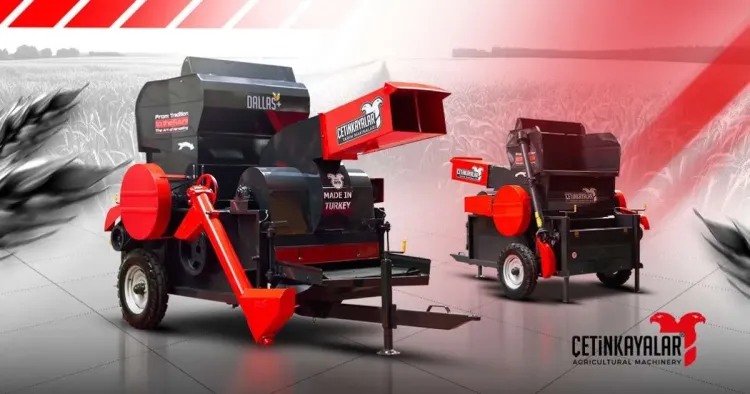
Known as the "Factory in the Field," these units travel to the crop rather than remaining stationary. The 750 kg integrated hopper eliminates the need for manual bagging on the go.
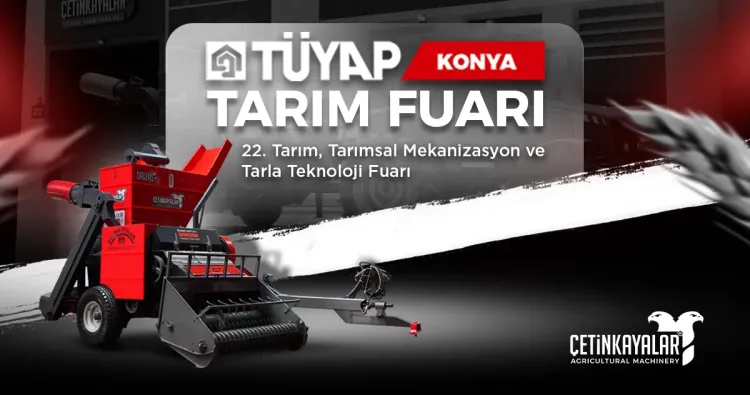
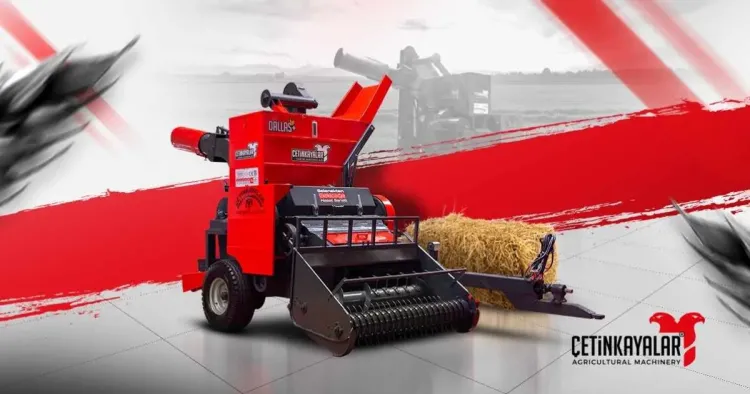
3. Automatic Pickup Series (NCK-04)
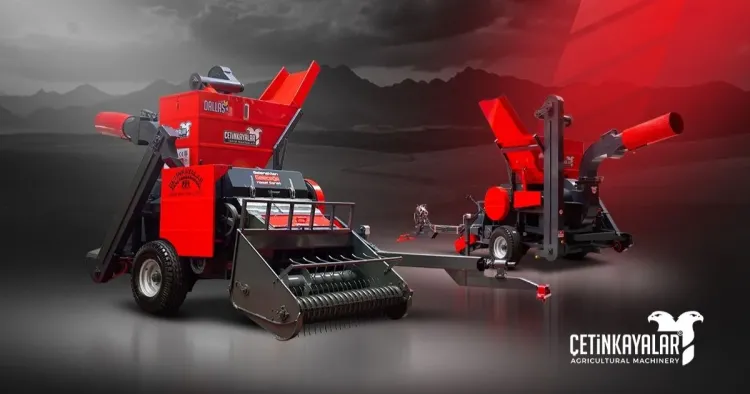
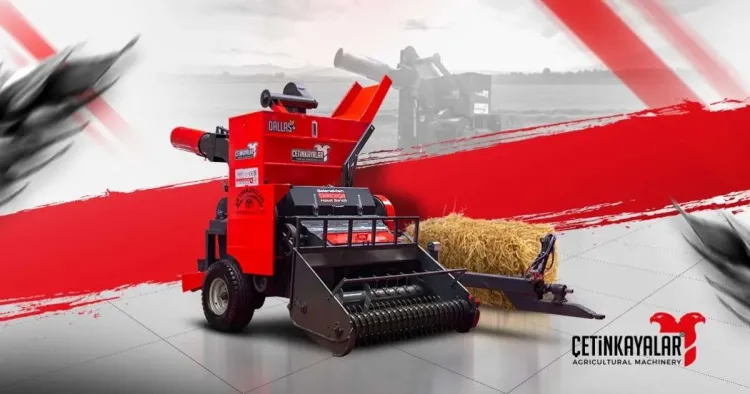
The ultimate automation in harvesting. It automatically collects swathed crops from the ground, threshes them, and stores them in a massive 1-ton hopper, nearly eliminating labor costs.
❓ FREQUENTLY ASKED QUESTIONS (FAQ)
Which threshing machine model should I choose?
For flat lands with available labor, the NCK-01 PTO series is cost-effective. To save on labor and maximize efficiency, we recommend the NCK-04 Automatic Pickup models.
Which crops can be harvested with Cetinkayalar machines?
Our "Multi-Crop" threshers process wheat, barley, and oats as standard. With simple adjustments, they efficiently harvest chickpeas, lentils, beans, and groundnuts.
What is the benefit of the Double Elevator system?
Found in NCK-02 and NCK-04 models, the second elevator acts as a "Recycling System," sending uncleaned pods back to the drum for 100% purity, essential for crops like red lentils.
How much does a thresher machine cost?
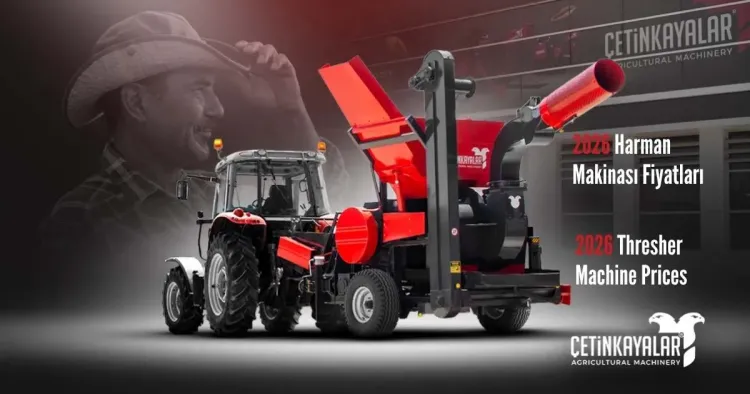
Prices vary based on capacity, mobility (stationary vs. mobile), and automation features like automatic pickup and hopper size.
Can a straw chopper process corn stalks?
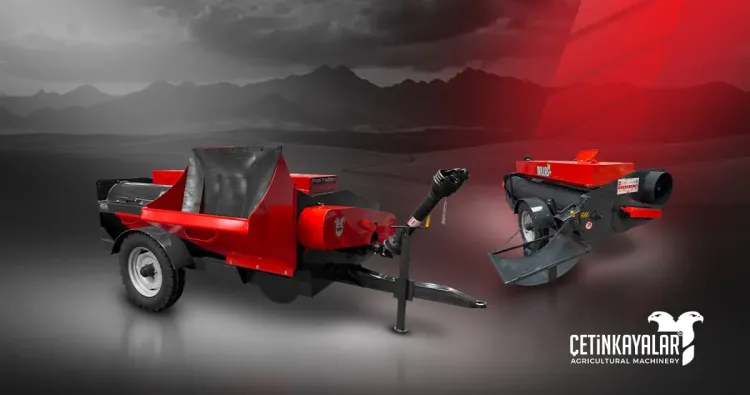
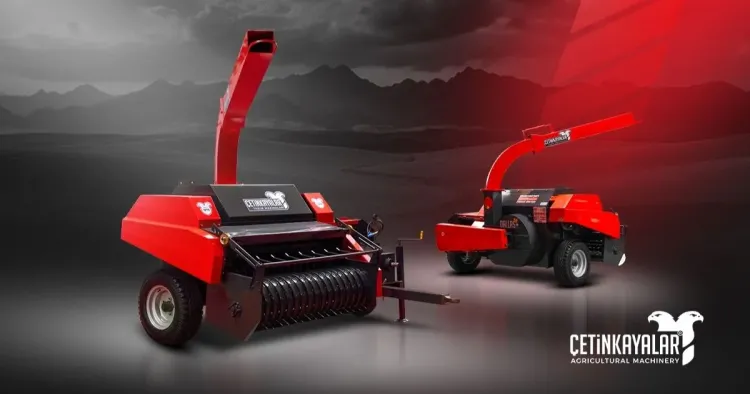
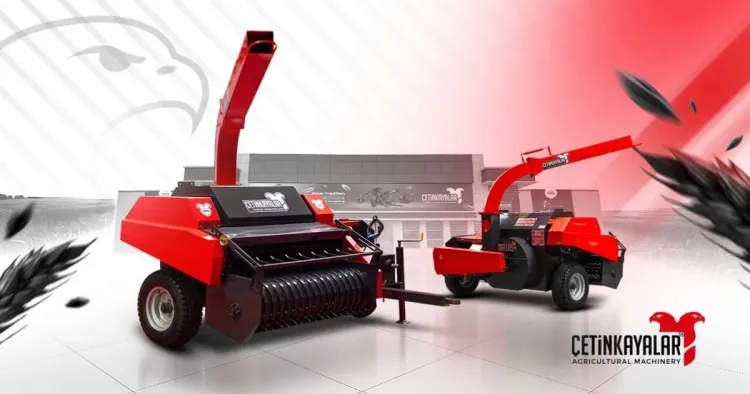
Yes, our NCK-03 SM Knife System model is specifically designed to shred tough corn and soybean stalks into fine, digestible straw for livestock.
People Also Ask - PAA
When was the first threshing machine invented?
The first successful mechanical threshing machine was patented in 1786.
Is a "Patoz" the same as a threshing machine?
Yes, "Patoz" is the common local name for a threshing machine in regions like Turkey.
Are there portable threshing machines?
Yes, the NCK-02 and NCK-04 series by Cetinkayalar are fully mobile units that operate while moving through the field.
What should I check when buying a used thresher?
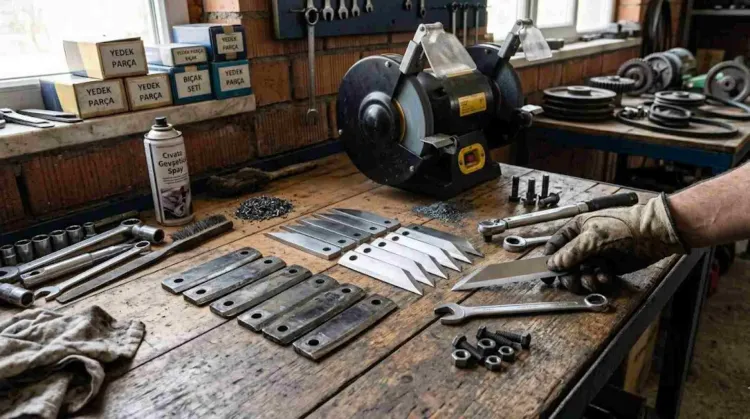
Check the drum wear, gearbox condition, and availability of spare parts. Cetinkayalar machines are known for their high resale value due to their durable steel chassis.
If you enjoy the content of Who Invented the Threshing Machine?, Please visit our news page for more content.
Please contact us for more information.