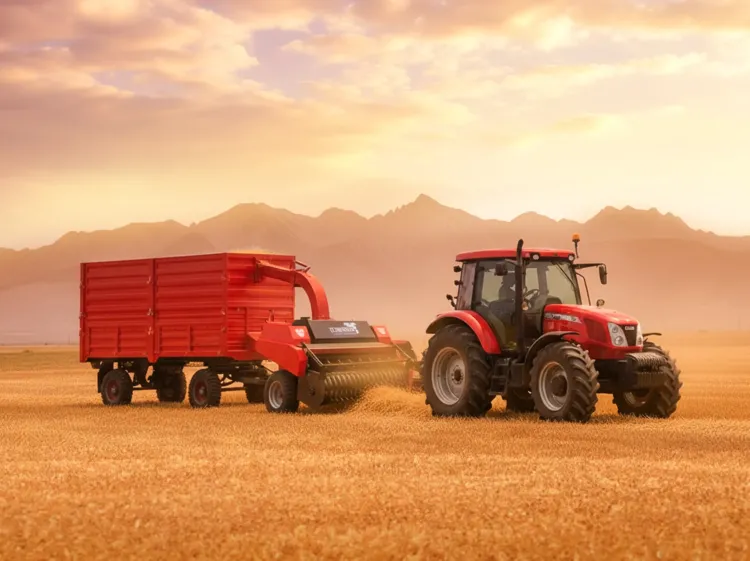

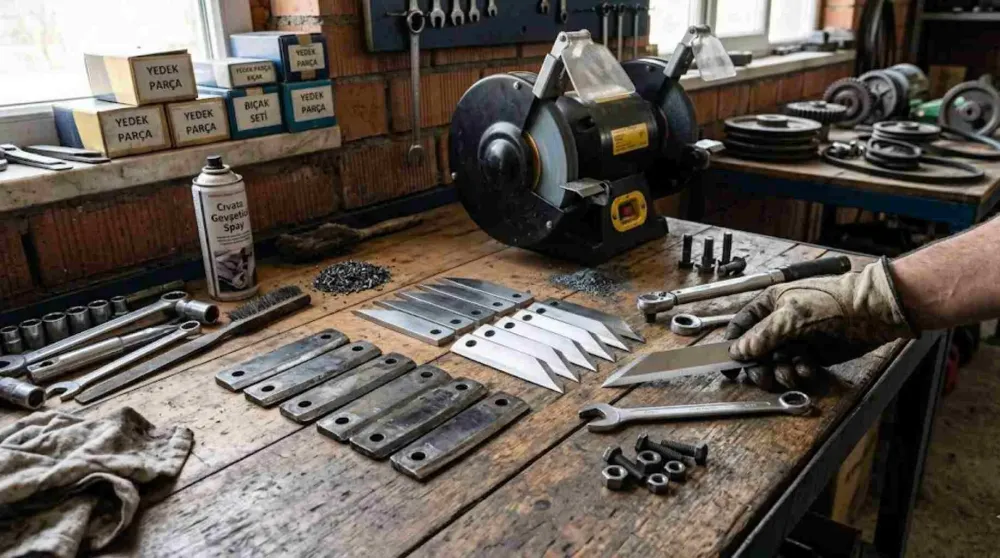
Straw Chopper Blade Maintenance and Performance
Straw Chopper Blade Maintenance and Performance Optimization
Straw chopper blade maintenance should be performed regularly before each harvest season and mid-season; neglected blades can reduce machine capacity by up to 30% and significantly increase tractor fuel consumption.
Why Are Straw Chopper Blades So Critical?
A knife-system straw chopper does not just crush stalks — with 54 specialized blades, it slices them into fibers, producing fine-chop straw that supports livestock digestion and improves meat and milk yields. As blades dull, this advantage disappears rapidly.
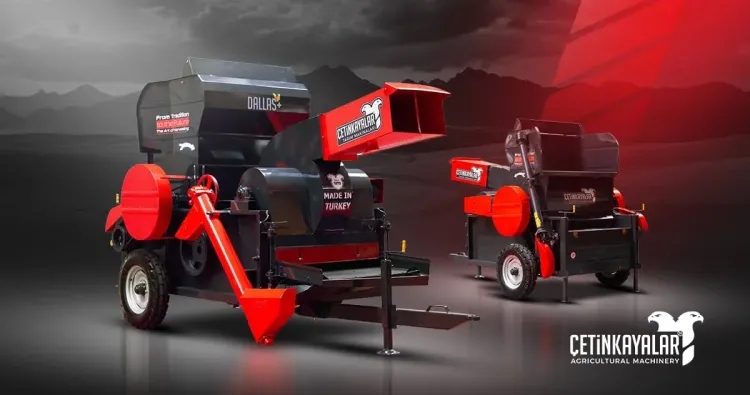
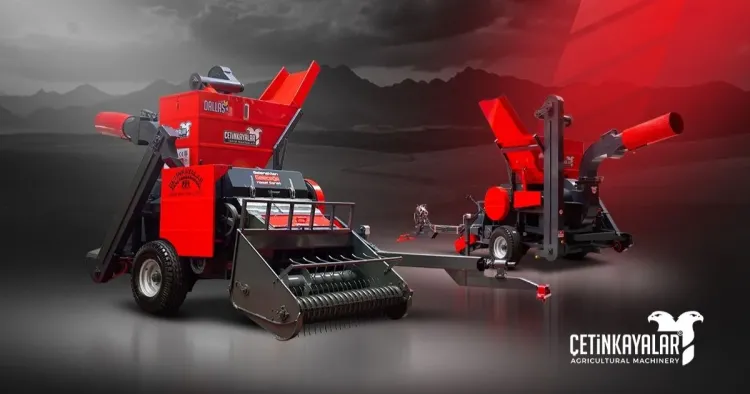
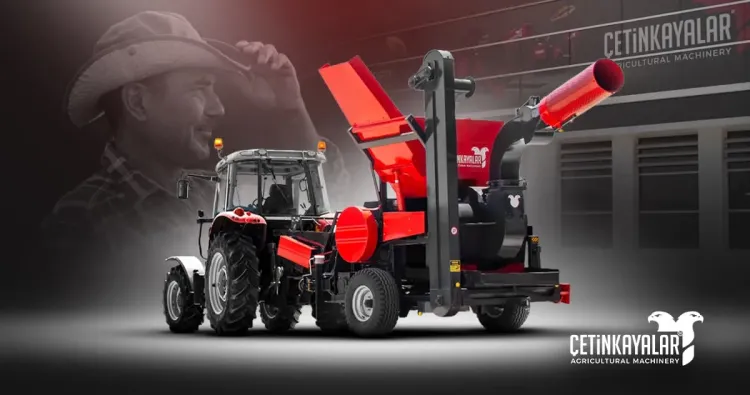
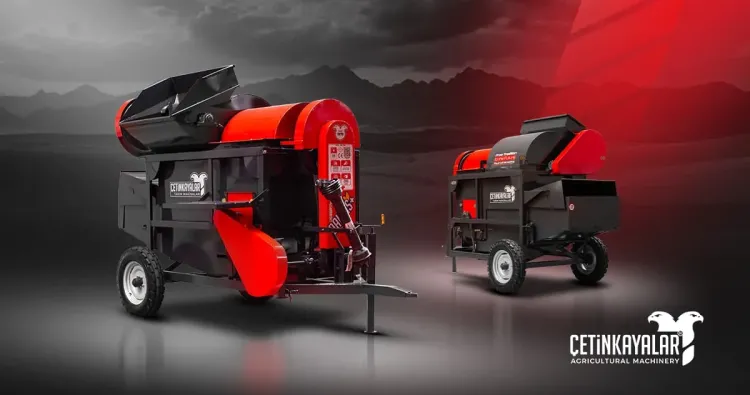
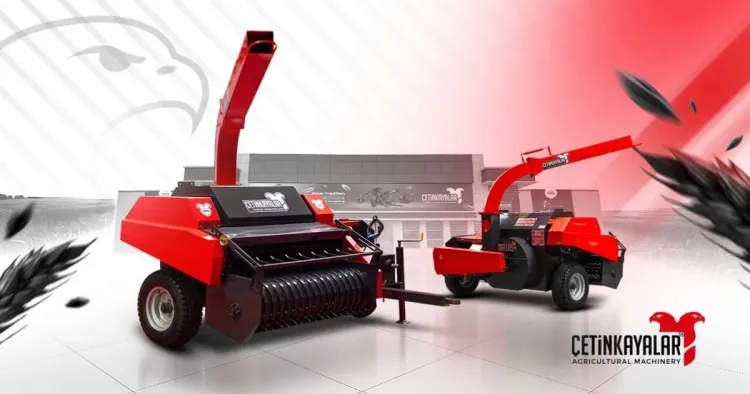
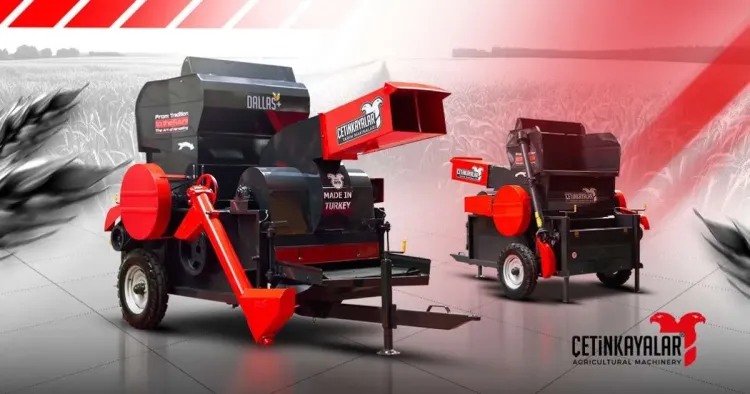
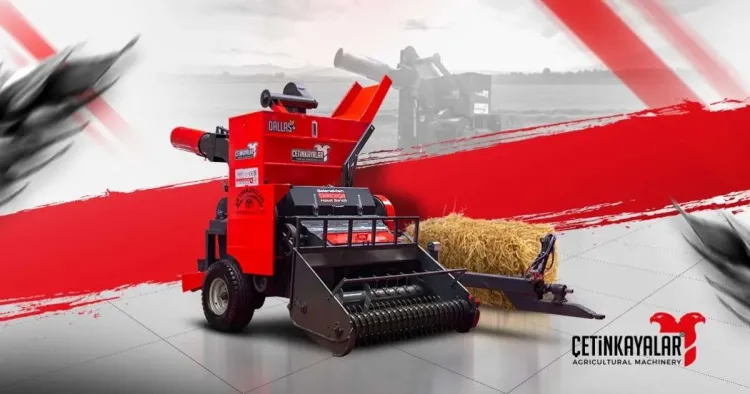
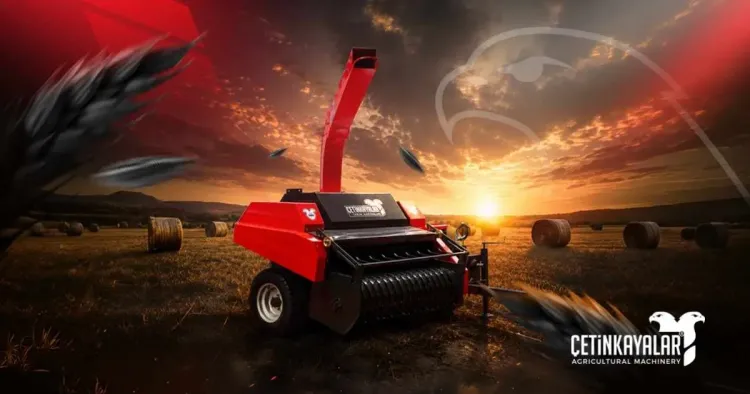
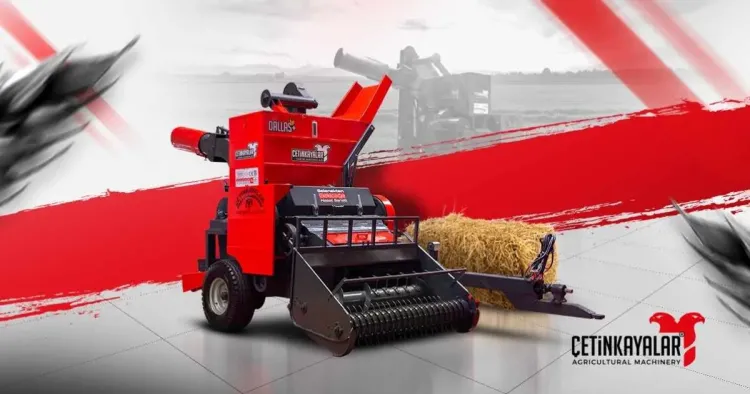
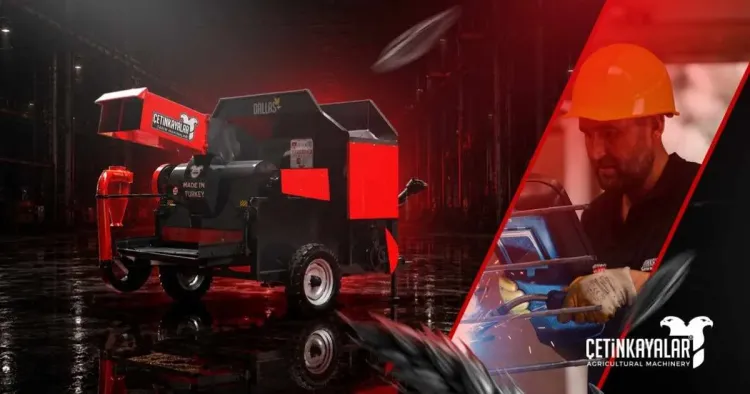
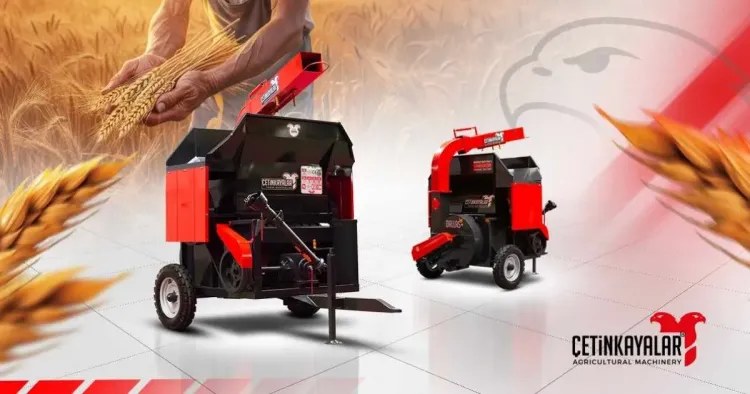
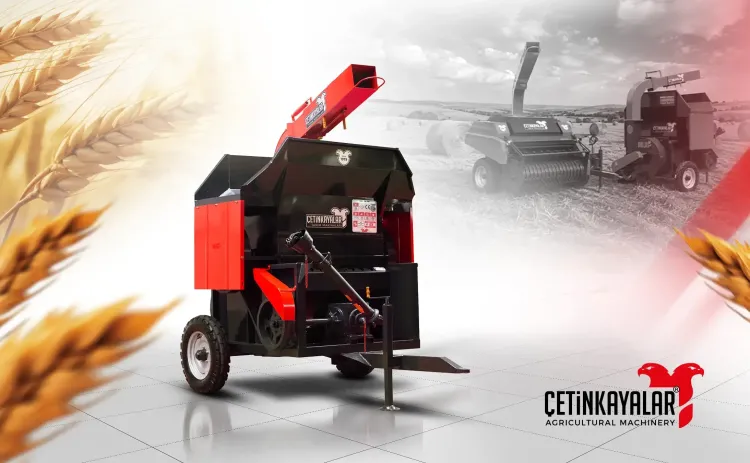
In the Cetinkayalar Agriculture NCK-03 SM Knife (Hasbay) System model, blades are mounted in a fixed arrangement inside the drum. Blade geometry and sharpening quality directly affect both product quality and PTO load on the tractor.
How to Maintain Straw Chopper Blades? Step-by-Step Guide
Step 1: Visual Blade Inspection
Before starting the machine, inspect each blade individually. Checklist:
- Is there any bending or notching on the cutting edge?
- Are the blade mounting bolts fully tightened?
- Are there signs of pitting or cracking on the blade surface?
- Is the spacing between blades inside the drum uniform?
If a crack is detected on any blade, replace the entire set; single-blade replacement causes rotational imbalance.
Step 2: Blade Sharpening Procedure
Straw chopper blades can be sharpened with a bench grinder or angle grinder. The correct sharpening angle is generally 25–30 degrees; do not exceed manufacturer specifications or blade lifespan will be significantly reduced.
- Completely stop the machine and disconnect the PTO before removing any blade.
- Loosen the mounting bolt with a 19 mm or 22 mm wrench.
- Apply even pressure at a consistent angle throughout the sharpening process.
- After sharpening, dress the edge with a steel honing rod until mirror-bright.
- Reinstall the blade and torque the bolt to specification.
Step 3: When Should Blades Be Replaced?
These are the signs that blade replacement is needed:
- Straw output is becoming coarser; fine-chop quality is deteriorating
- Unusual load increase is felt in the tractor engine
- The machine is generating progressively more vibration
- Sharpness is lasting less than 2–3 hours even after honing
Cetinkayalar Agriculture provides an unlimited spare parts guarantee. Keep a blade set in stock to prevent machine downtime during harvest season.
Forum: Farmers Share Their Blade Maintenance Experiences
|
Knife system or standard? |
The knife system requires more frequent sharpening, but my livestock milk yield increased by roughly 15%. Worth the extra effort. |
|
How often should blades be replaced? |
I sharpen after every two harvests. With heavy maize stalks, sometimes even one harvest is enough to need it. |
|
Bolt is seized — what to do? |
Apply penetrating oil and wait 15 minutes. Forcing it risks damaging the blade seat permanently. |
4 Ways to Maximize Straw Chopper Performance
Set the Correct PTO Speed
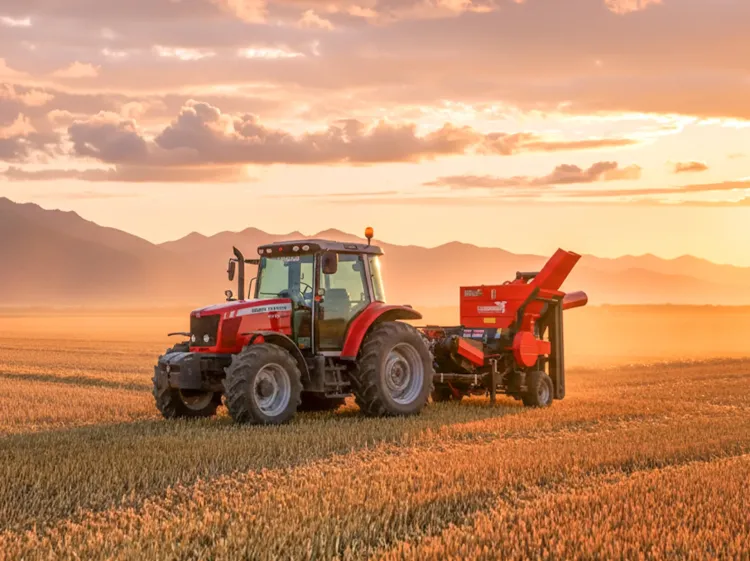
The NCK-03 SM model is designed for optimal performance at 540 rpm PTO speed. Lower RPM degrades straw quality; higher RPM accelerates blade wear. Open the tractor throttle gradually.
Check Drum Clearance Regularly
The clearance between the drum and blades should be maintained between 2–4 mm. Increased clearance reduces chop quality; decreased clearance causes blade friction. Check at the start and midpoint of every season.
Clean the Pickup Unit After Each Use
The 1800 mm wide pickup unit can become blocked with straw and stubble residue. Blow it clean with compressed air after every operation. A blocked pickup cuts material flow to the blades and can halve effective capacity.
Monitor Gearbox Oil Level
The specialized gearbox system in Cetinkayalar machines minimizes PTO load. Check gearbox oil every 200 operating hours or at the start of each season; low oil causes irregular blade speed and premature wear.
If you enjoy the content of Straw Chopper Blade Maintenance and Performance, Please visit our news page for more content.
Please contact us for more information.
Frequently Asked Questions (FAQ)
1. How often should straw chopper blades be replaced?
For intensive wheat or barley straw chopping, the blade set is typically renewed after 2–3 harvest seasons. With hard materials such as maize stalks, this interval can shorten to a single season. Regular sharpening extends blade life significantly.
2. Can you sharpen straw chopper blades yourself?
Yes. With an angle grinder and attention to the 25–30 degree sharpening angle, blades can be resharpened even in the field. For cracked or broken blades, always consult the manufacturer's authorized service.
3. Knife system or standard model — which should you choose?
For operations that prioritize feed quality, the knife system is clearly superior. It produces fine-chop straw that promotes livestock digestibility. For simple straw collection and standard feed production, the standard model is sufficient and has lower maintenance costs.
4. Why do blades dull faster when chopping maize stalks?
Maize stalks contain silica (SiO₂), a mineral that rapidly abrades cutting edges. Solution: sharpen blades before every maize chopping session and reduce drum speed slightly. HSS (high-speed steel) blade alternatives are available for high-silica materials.
5. What should I do if vibration increases?
Increased vibration is typically caused by blade set imbalance. As one blade dulls or is removed, weight distribution becomes uneven. Replace the entire set at the same time and torque all bolts equally.
People Also Ask (PAA)
Where can I buy straw chopper blades?
Cetinkayalar Agriculture supplies blades and spare parts across all of Turkey via its distributor network based in Konya and direct factory sales.
Can a knife-system straw chopper be used for hay?
For dry hay and alfalfa, the NCK-06 OM (Alfalfa and Forage Chopper) is the better choice. The knife-system NCK-03 SM is optimized primarily for processing combine harvester residues.
What PTO speed should a straw chopper run at?
The standard PTO speed for the Cetinkayalar NCK series is 540 rpm. Operating at different speeds negatively impacts drum performance and blade lifespan.
What should I look for when buying a straw chopper?
Priority criteria are: processing capacity (kg/hour), blade system type, gearbox quality, spare parts availability, and after-sales service network.