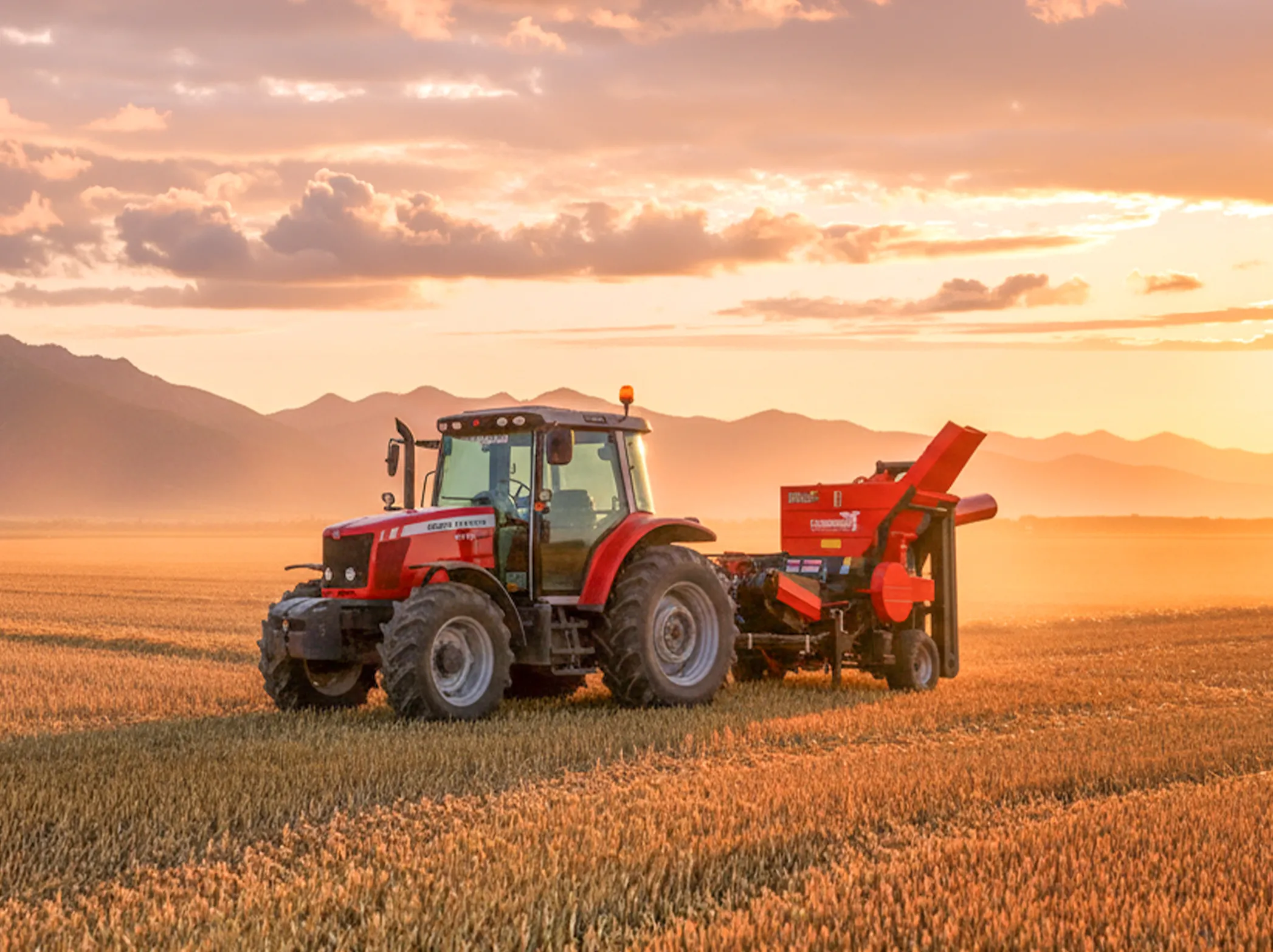
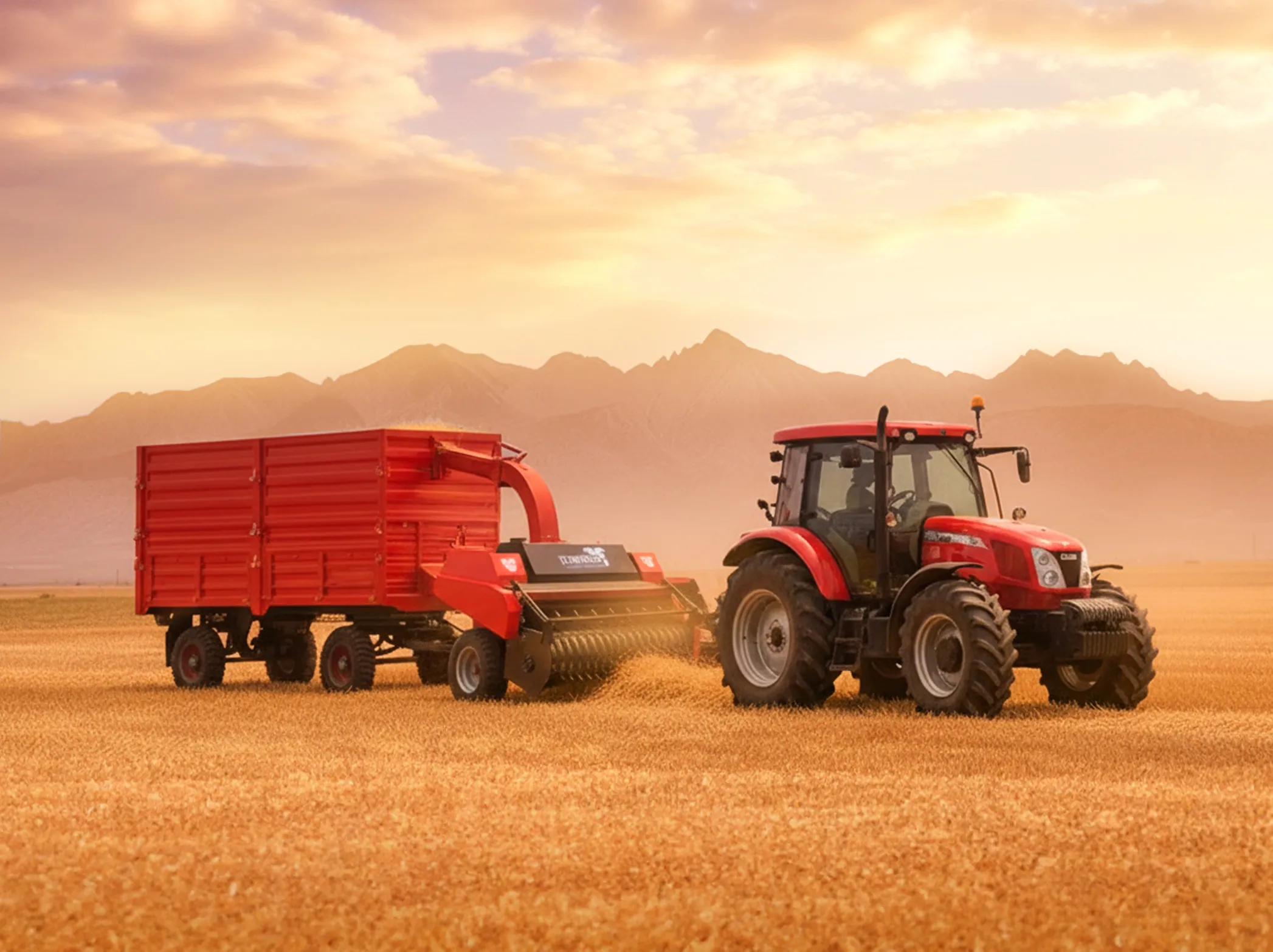


Threshing Machine Crop Guide
Threshing Machine Crop Guide: How Many Crops Can One Machine Handle?
The first question most buyers ask after purchasing a threshing machine is: 'Can this machine harvest anything other than wheat?' The answer is yes — but only with the correct sieve and pulley configuration for each crop. Running the wrong setup causes grain cracking, machine blockages, and harvest losses that exceed the cost of proper configuration. This guide covers each crop type, the required adjustments, and which NCK series model is correct for each application.
What Crops Does a Threshing Machine Handle in Standard Configuration?
Cereal Crops: Factory Default Setup
Wheat and barley are the design reference crops for the Cetinkayalar NCK series. All models ship in cereal configuration — drum speed, sieve aperture, and pulley ratio are optimized for wheat and barley out of the box. No pre-adjustment is required.
Wheat thresher machine configuration
Drum speed: 900-1,100 rpm. Upper sieve aperture: 4-5 mm. Lower sieve aperture: 2.5-3 mm. Pulley ratio: standard factory setting. Connect to tractor PTO at 540 rpm and start. No further setup is needed for wheat thresher operation.
Barley and oats — are there differences?
Barley hulls are thicker than wheat. Increase fan speed slightly and widen the upper sieve by 0.5 mm for clean hull separation. Oats require the same minor adjustment. Both crops run on the standard wheat thresher machine pulley setting without change.
How Is a Threshing Machine Configured for Chickpeas and Lentils?
Pulse Crops: Sieve and Pulley Change Is Mandatory
Chickpeas, dry beans, and lentils require a fundamentally different drum behavior from wheat. Grain size is larger and shells are sensitive to impact. Running a wheat thresher configuration on pulse crops directly causes pod cracking and reduces marketable yield. This is not a machine limitation — it is an incorrect setup.
Chickpea configuration
Reduce drum speed to 600-700 rpm. Widen upper sieve aperture to 8-10 mm. Change pulley to reduce drum speed within the correct band. This changeover takes 30-45 minutes on NCK-02 and NCK-04 models. Cetinkayalar supplies crop-specific sieve kits for chickpeas, lentils, and all major pulse types.
Dry bean (corn threshing machine vs. bean setup)
Dry beans require the lowest drum speed of all standard crops: 500-600 rpm. Bean stalks are long and bulky — match tractor forward speed to feed rate to prevent blockage. The NCK-02 Double Elevator model sends incompletely separated pods back to the drum, achieving zero loss in bean harvesting. This is the recommended configuration for any farm thresher handling dry beans at scale.
Red lentils — why double elevator is not optional
Red lentil hulls are thin and the grain-stalk bond is weak. With a single elevator model, incompletely separated grains are discharged directly and lost. The double elevator recycles these grains back to the drum. On red lentils, any farm thresher without a double elevator produces measurable field losses every pass.
Which Threshing Machine Is Required for Specialty Crops?
Groundnut and Seed Crops Require Dedicated Models
Groundnuts and watermelon-pumpkin seeds cannot be harvested with the standard NCK-01, NCK-02, or NCK-04 series. These crops require a completely different drum geometry and peripheral speed profile.
Groundnut Thresher NCK-05 FM
Engineered specifically for groundnut (peanut) harvesting, this model separates pods from vines without shell damage. Standard threshing machines fail on groundnuts because drum peripheral speed exceeds the shell's impact tolerance. The NCK-05 resolves this with a precision low-speed drum geometry designed specifically for this crop.
Watermelon and Pumpkin Seed Harvester NCK-07 KM
Processes at 20,000 kg per hour — industrial-scale seed separation that no standard threshing machine in the NCK-01/02/04 range can approach. Separates fruit flesh from seeds and delivers clean, undamaged seed. This is threshing equipment in a different capacity class entirely.
⚠ MOST DEBATED TOPIC IN FARMING FORUMS
Can a Threshing Machine Harvest Both Wheat and Chickpeas Without Changing the Sieve?
This question appears on every major agricultural forum, from Turkey and Pakistan to East Africa and South Asia. The most damaging advice circulating in these discussions is: 'just lower the drum speed and you can harvest any crop without changing the sieve.' This is incorrect.
Without the correct sieve aperture, chickpeas cannot pass through the lower sieve and will block the machine. If drum speed is not reduced via pulley change, the drum beats chickpeas hard enough to crack them — reducing both yield and market value. Both outcomes represent real financial losses that far exceed the 30-minute sieve changeover.
The correct position, confirmed by Cetinkayalar's technical data: a threshing machine can harvest wheat in the morning and chickpeas in the afternoon — but only with the proper sieve kit and pulley adjustment for each crop. There is no shortcut. The right thresher farm equipment includes the correct accessories, not just the machine body.
How Should You Choose a Threshing Machine Based on Your Crop Mix?
Single Crop vs. Multi-Crop Operations
A farm harvesting only wheat and barley has no need to pay for double elevator capability or automatic pickup. The NCK-01 PTO-driven series is economically correct. Add pulse crops to the mix and the NCK-02 with the appropriate sieve kit becomes the efficient choice. Add red lentils and double elevator becomes mandatory. Add automation requirements and the NCK-04 is the answer.
Model selection by crop type
- Wheat + barley only: NCK-01 HM or HMS — standard factory setup.
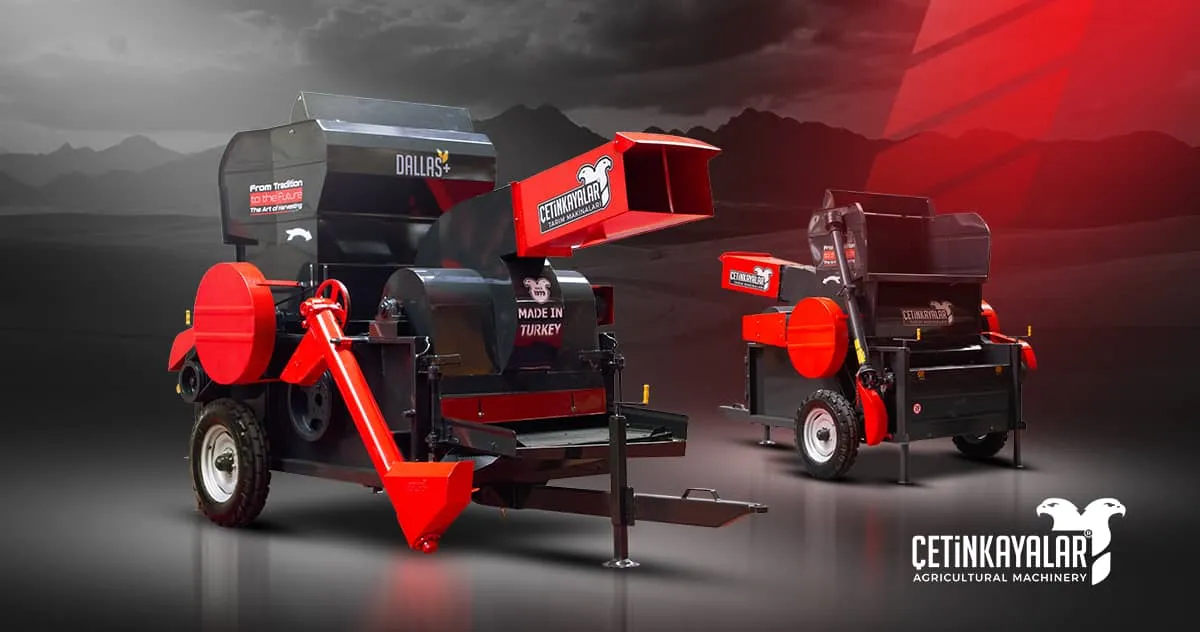
- Wheat + chickpeas + lentils: NCK-02 Double Elevator — multi-crop with sieve change.
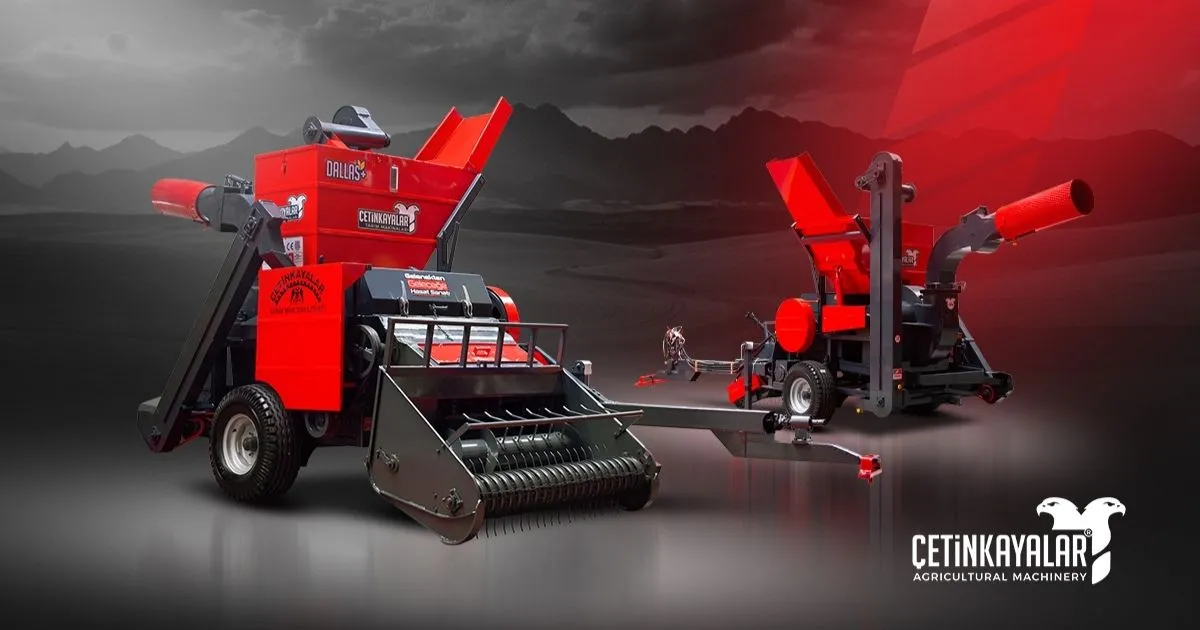
- All pulses + zero labor: NCK-04 Automatic Pickup Double Elevator.
- Groundnut: NCK-05 FM — precision drum, dedicated model.
- Watermelon/pumpkin seed: NCK-07 KM — industrial-scale dedicated harvester.
If you enjoy the content of Threshing Machine Crop Guide, Please visit our news page for more content.
Please contact us for more information.
FAQ — Frequently Asked Questions
1. Can a small threshing machine handle rice or millet?
Yes. For rice thresher machine configuration: reduce drum speed and tighten sieve mesh to prevent grain breakage — rice grain is small and brittle. For millet threshing machine setup: use the finest available sieve mesh and the lowest drum speed setting. Both crops are supported across the NCK-01 and NCK-02 range with the correct sieve kits. Configuration sheets are available from Cetinkayalar technical support on request.
2. What is the correct PTO speed for a maize thresher machine setup?
For maize thresher machine configuration, tractor PTO remains at standard 540 rpm. The adjustment is on the machine side: wider drum clearance via concave spacer adjustment and coarser sieve. Maize stalks are dense and require a higher feed-rate tolerance — match tractor forward speed accordingly. The NCK-02 and NCK-04 are both suitable for maize with this configuration.
3. Is thresher farm equipment for export-market crops different from domestic versions?
The machine body is identical. What changes is the sieve kit configuration for local crops. Cetinkayalar's export packages include region-specific sieve sets — for example, sorghum, teff, or sesame configurations for East African markets. Contact the export sales team for crop-specific configuration documentation before placing a bulk order.
People Also Ask (PAA)
What is the difference between a tractor thresher and a harvester thresher?
A tractor thresher is PTO-driven and only threshes pre-cut crop — it requires a separate cutting step. A harvester thresher is self-propelled and cuts and threshes in one pass. For multi-crop operations where crop type changes between seasons, a tractor thresher offers sieve flexibility that self-propelled units cannot match at comparable cost.
Can one threshing machine replace separate wheat thresher and maize thresher machine units?
Yes. The NCK-02 and NCK-04 are genuine multi-crop platforms. With the correct sieve kits and concave settings, the same machine handles wheat, barley, chickpeas, lentils, maize, rice, and millet across different seasons. Purchasing separate machines for each crop is not necessary and not economically justified for farms in the small-to-medium scale.
How long does a threshing machine sieve changeover take?
On NCK-02 and NCK-04 models, a full sieve and pulley changeover from wheat to chickpea configuration takes 30-45 minutes with one operator. Cetinkayalar's sieve mounting system uses tool-free quick-release clips on current production models. The changeover is designed to be completed between field sections within the same workday.
What threshing equipment is available for cumin and vetch?
Cumin requires the finest sieve mesh in the NCK range and lowest drum speed — cumin grain is small and light, and the fan system must be carefully calibrated to prevent grain loss in the airstream. Vetch uses a standard legume configuration similar to lentils. Both crops are supported by Cetinkayalar's sieve kit range. Technical configuration sheets are provided at point of sale.