
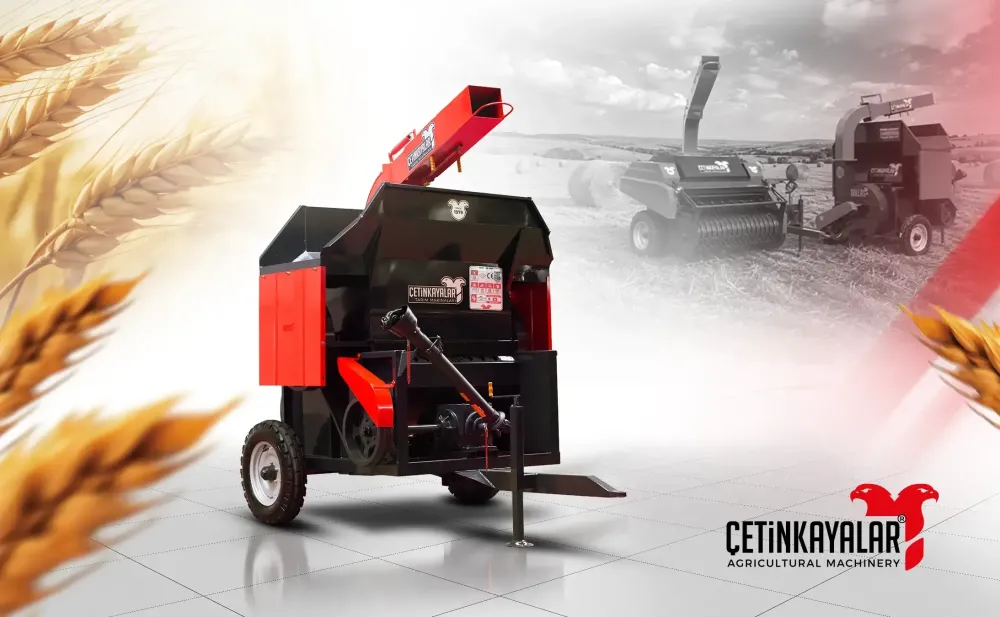
How Does a Hay Baler Machine Work?
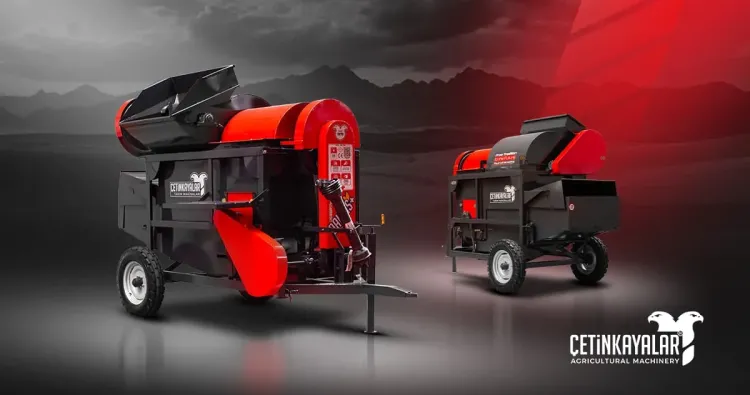
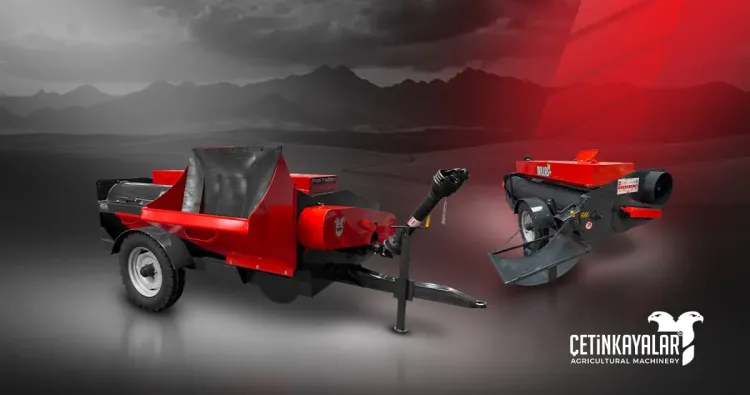
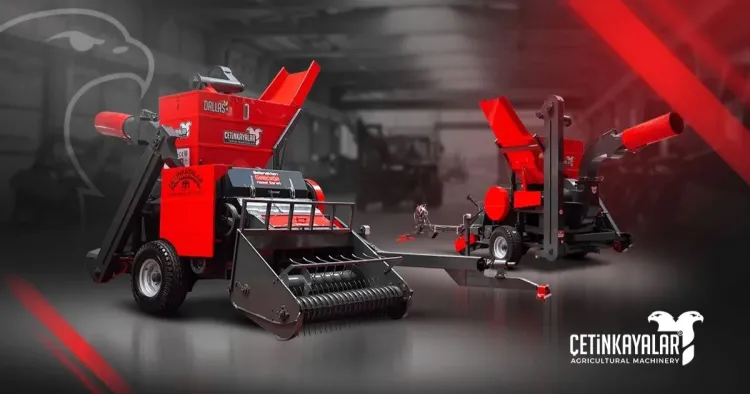
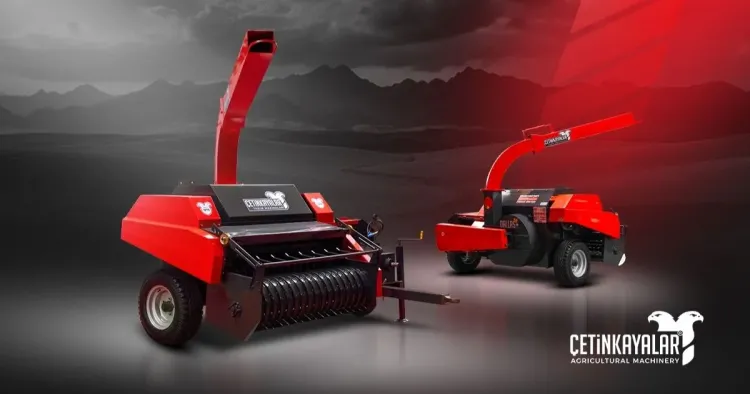
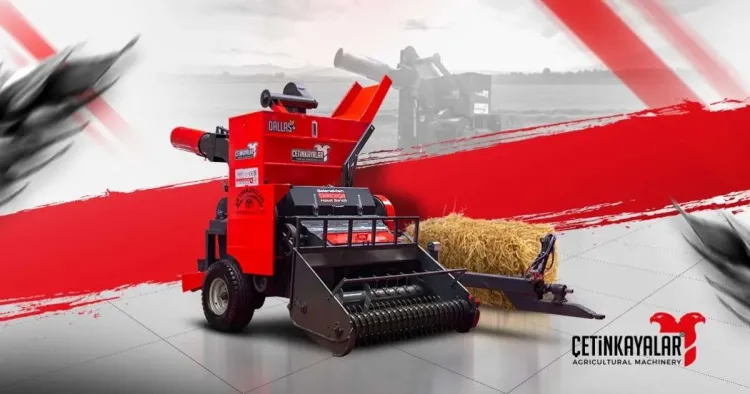
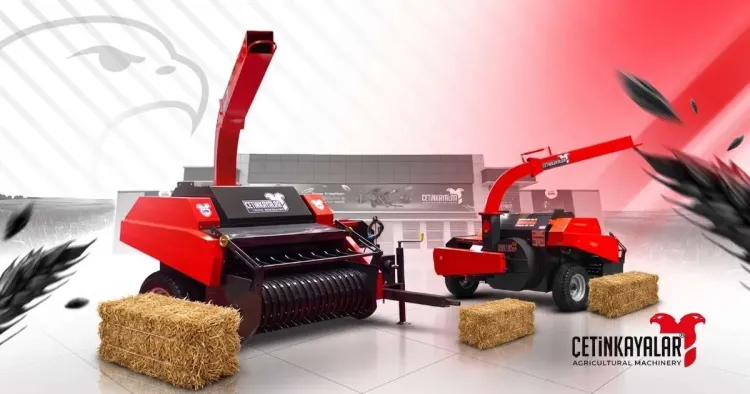
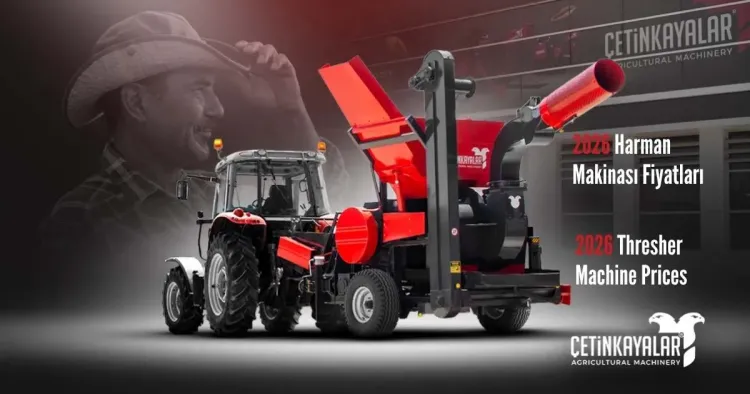
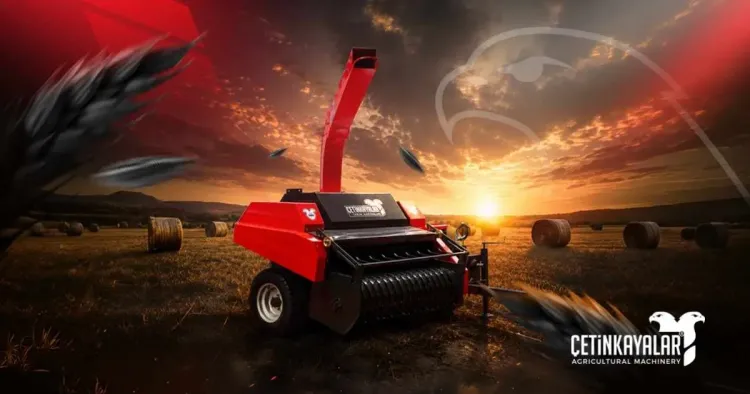
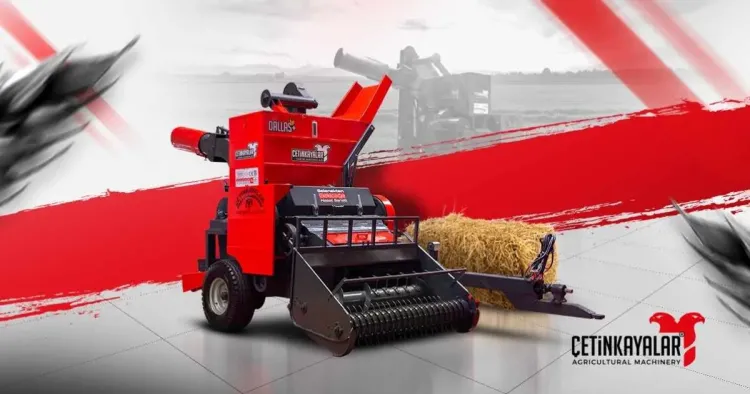
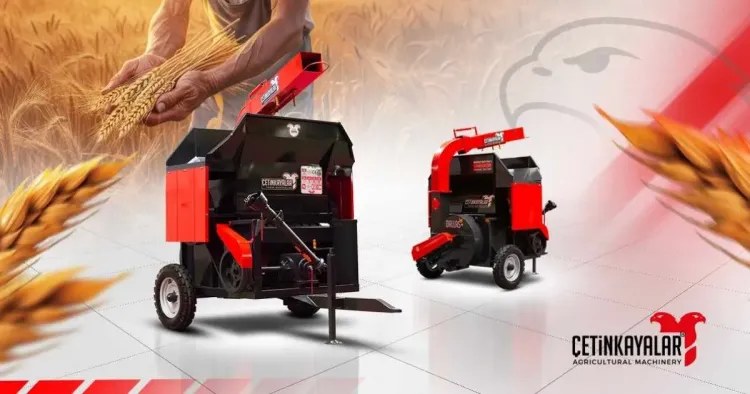
A hay baler machine is an agricultural equipment used to compress straw and hay collected from the field or processed with a hay machine, making it easier to transport and store. Especially on farms engaged in cattle and sheep farming, a baling hay machine helps reduce labor requirements by allowing hay to be stored in an organized manner.
These machines, which are among modern agricultural machinery, reduce the volume of hay and make transportation and stacking easier. However, when choosing a hay baler machine, factors such as baling capacity, bale size, and the power of the tractor to be used should be taken into consideration.
What Is a Hay Baler Machine Used For?
A hay baler machine compresses loose hay under a certain amount of pressure and turns it into bales or compressed packages. This can reduce the amount of space occupied by hay during storage.
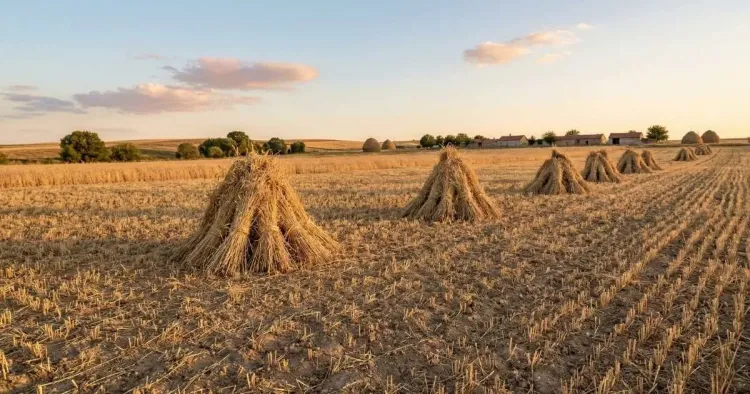
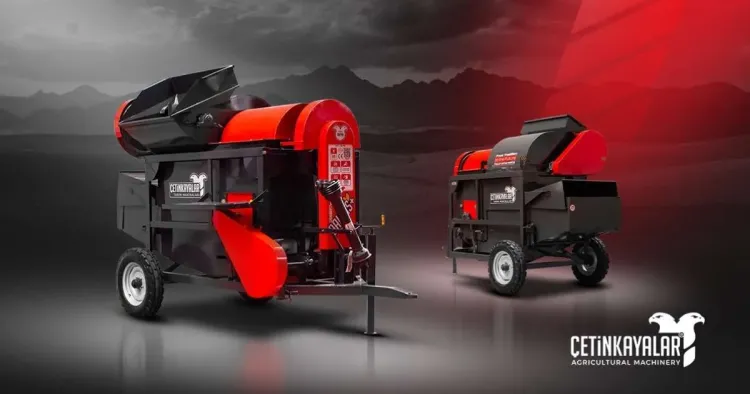
A suitable hay machine can first be used to collect hay from the field. The collected hay can then be compressed using a hay baler machine according to the requirements of the operation.
What Processes Does a Hay Baler Machine Perform?
-
Takes hay into the machine.
-
Compresses the hay.
-
Produces bales in specific dimensions.
-
Releases the bale or compressed material.
-
Makes transportation and storage easier.
These processes help make post-harvest operations more organized when different agricultural machinery is used.
How Does a Hay Baler Machine Work?
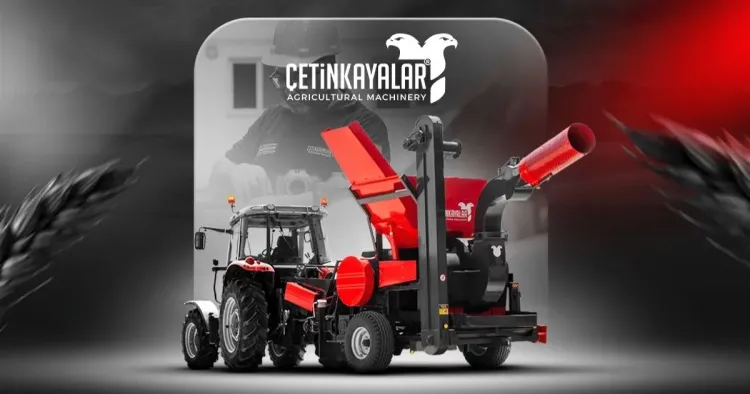
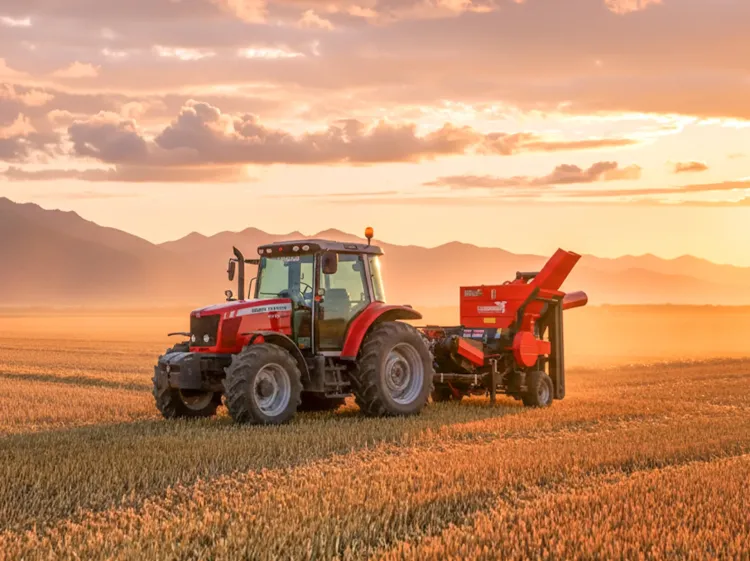
A hay baler machine operates using power supplied by the tractor's PTO shaft. Hay from the field or storage area is directed into the machine. The collected hay is transferred to the baling chamber through the feeding mechanism.
Once the hay reaches the baling chamber, it is compressed using a piston or a similar compression mechanism. When the desired density is reached, the bale is tied and discharged from the machine. The operating system and bale dimensions may vary depending on the hay baler machine model.
What Are the Operating Stages?
-
Hay is taken into the machine.
-
The feeding system transfers the hay to the baling chamber.
-
The compression mechanism compacts the hay.
-
The bale reaches the specified dimensions.
-
The tying system secures the bale.
-
The compressed hay is discharged from the machine.
This system makes the use of a hay baler machine particularly practical for operations that produce large quantities of hay.
What Is the Difference Between a Hay Baler Machine and a Hay Machine?
A hay machine is generally used to collect, process, and turn straw into hay in the field. A hay baler machine, on the other hand, compresses already processed hay into bales or compact packages.
In other words, the functions of these two machines are different. While a hay machine processes the raw material, a hay baler machine prepares the processed hay for storage and transportation.
Which Machine Is Used at Each Stage?
-
Hay machine: Collecting and processing straw
-
Hay baler machine: Compressing hay
-
Hay baler: Producing bales
-
Other agricultural machinery: Harvesting and transportation processes
Therefore, depending on the needs of the operation, multiple agricultural machinery solutions can be used together.
Why Is a Hay Baler Machine Used?
A hay baler machine makes loose and bulky hay more organized. Compressed hay can be easier to transport and stack.
Especially for operations working on large areas, a hay baler machine can help manage large quantities of hay produced after harvesting.
What Are the Advantages of Baling Hay?
-
Storage space can be used more efficiently.
-
Transportation becomes easier.
-
Hay can be formed into organized bales.
-
Stacking becomes more practical.
-
The need for manual handling can be reduced.
-
Hay sales and shipping processes can become easier.
For these reasons, a hay baler machine is one of the preferred pieces of equipment for operations producing hay.
What Types of Hay Can Be Used With a Hay Baler Machine?
The types of hay that can be processed vary depending on the technical specifications of the machine. Dry straw obtained from crops such as wheat, barley, and oats can be baled with many hay baler machines.
However, the moisture content, degree of processing, and structure of the hay can affect operating performance. Therefore, it is important that the material prepared with a hay machine is suitable for the baling process.
Which Types of Hay Can Be Baled?
-
Wheat straw
-
Barley straw
-
Oat straw
-
Meadow grass
-
Dry grass
-
Other suitable plant materials
The characteristics of the material to be processed are important criteria when selecting a hay baler machine.
What Factors Affect Hay Baler Machine Prices?
Hay baler machine prices vary depending on the machine's capacity, bale size, tying system, and technical equipment. There may be price differences between machines with manual adjustment options and more advanced automatic systems.
When researching hay baler machine prices, it is important not to focus solely on the purchase price. The machine's capacity, maintenance requirements, and service support should also be evaluated.
What Factors Affect Hay Baler Machine Prices?
-
Baling capacity
-
Bale size
-
Tying system
-
Tractor compatibility
-
Level of automation
-
Machine body construction
-
Spare parts support
-
Service availability
Therefore, hay baler machine prices can vary significantly between different models.
What Type of Tractor Is Required for a Hay Baler Machine?
The horsepower of the tractor is an important criterion when selecting a hay baler machine. Not every model can operate with a tractor of the same power. The tractor power specified in the machine's technical specifications should be taken into consideration.
There should also be compatibility between the tractor's PTO system and the hay baler machine. The right tractor-machine combination can help ensure more efficient power transmission during operation.
What Should Be Considered When Choosing a Tractor?
-
Tractor horsepower
-
PTO speed
-
Hydraulic system
-
Total machine weight
-
Field conditions
-
Daily operating time
Choosing the right equipment contributes to safer and more efficient operations carried out with agricultural machinery.
What Should Be Considered When Buying a Hay Baler Machine?
Before purchasing a hay baler machine, the daily amount of hay and the working area of the operation should be determined. The capacity required by a small farm may not be the same as that required by a large agricultural operation.
In addition, bale dimensions, the tying system, and spare parts availability should be evaluated when choosing a hay baler machine.
Which Features Are Important When Selecting a Machine?
-
Daily operating capacity
-
Bale dimensions
-
Baling density
-
Tying system
-
Tractor compatibility
-
Fuel consumption
-
Service network
-
Spare parts availability
By evaluating these criteria, it becomes easier to determine the most suitable hay baler machine for the operation.
Is a Hay Baler Machine the Same as a Hay Filling Machine?
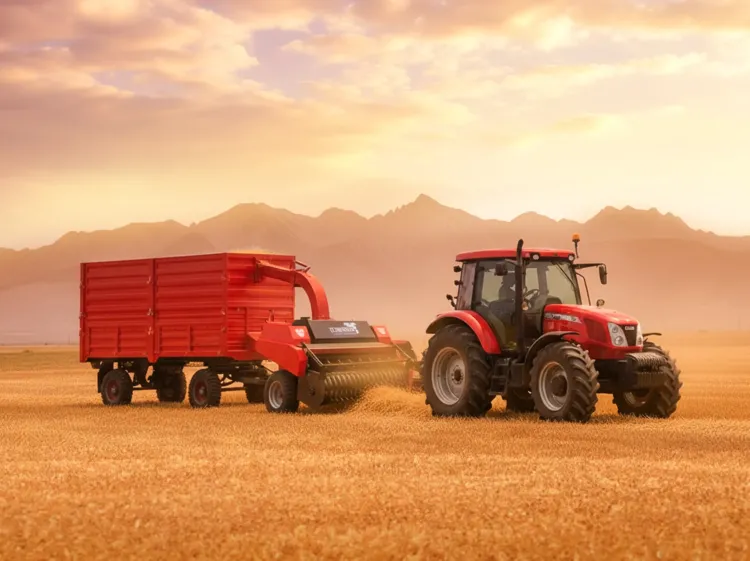
No. A hay baler machine compresses hay and turns it into bales. A hay filling machine, on the other hand, is used to transfer hay into a trailer, storage area, or another designated location.
These two pieces of equipment perform different functions. Depending on the operating system, a hay machine, hay baler machine, and filling equipment can be used at different stages.
What Is the Main Difference Between Them?
-
Hay machine: Collects and processes hay.
-
Hay baler machine: Compresses hay.
-
Hay baler: Produces bales.
-
Hay filling machine: Transfers hay to a designated area.
Therefore, the entire production process should be considered when selecting agricultural machinery.
What Are the Advantages of Using a Hay Baler Machine?
A hay baler machine can make storage and transportation easier, especially on farms handling large quantities of hay. Turning hay into bales allows loose material to be stacked in a more organized manner.
However, the production volume and intended use of the operation should be taken into consideration when selecting a hay baler machine. Choosing a machine with the appropriate capacity can help prevent unnecessary investment costs.
What Are the Advantages of Baled Hay?
-
Enables more organized stacking.
-
Makes transportation easier.
-
Helps use storage space efficiently.
-
Can reduce manual handling of hay.
-
Makes sales and shipping processes easier.
Why Is Hay Baler Machine Selection Important?
The right hay baler machine should be suitable for the operation's working capacity and the type of hay being processed. A machine with insufficient capacity may cause time loss in high-volume operations. On the other hand, a machine with excessive capacity may result in unnecessary investment costs.
Therefore, in addition to hay baler machine prices, capacity, tractor compatibility, maintenance requirements, and service conditions should also be evaluated. Choosing the right equipment among the agricultural machinery used during post-harvest operations can directly affect the efficiency of the operation.
What Should Be Done to Choose the Right Machine?
-
Determine the amount of hay you process.
-
Check the tractor you will use.
-
Determine the desired bale dimensions.
-
Calculate the required daily operating capacity.
-
Examine the tying system.
-
Compare hay baler machine prices together with their technical specifications.
As a result, a hay baler machine is an important piece of equipment that compresses hay, making it easier to transport and store. When selecting a suitable hay baler machine, capacity, tractor compatibility, bale dimensions, and service support should be evaluated together. In this way, the post-harvest process that starts with a hay machine can be completed in a more organized manner using the right agricultural machinery.