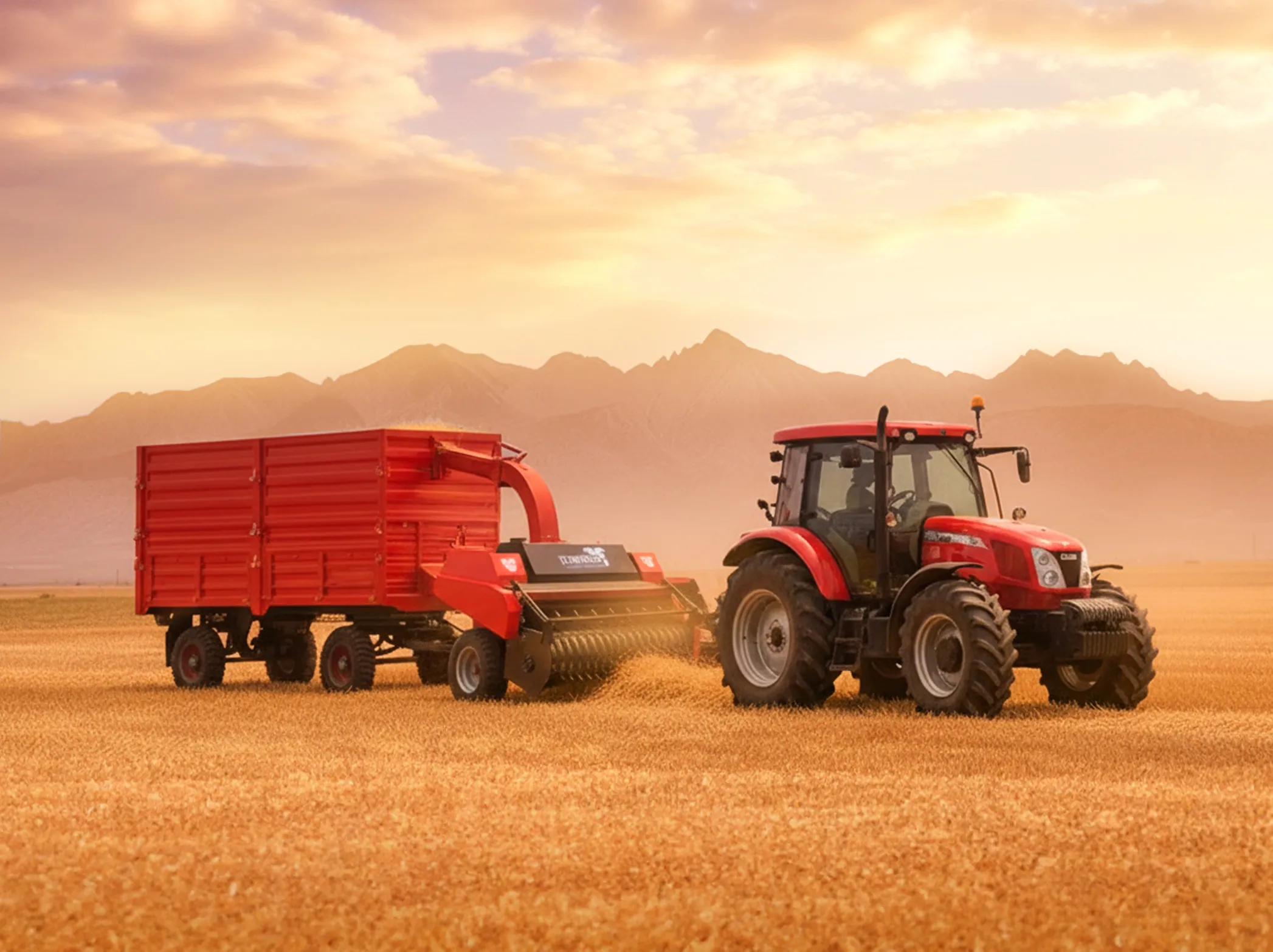


Eliminate labor costs
Eliminate labor costs: The Advantages of NCK Series Hopper Threshing Machines
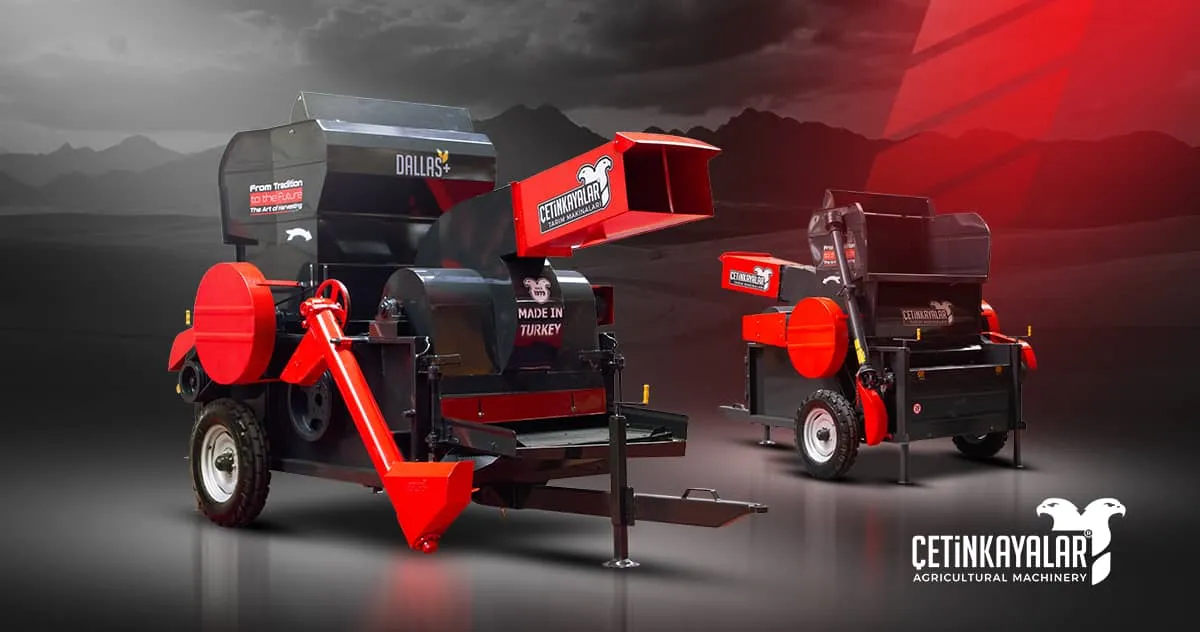
A hopper threshing machine (NCK-02 DM) is a mobile thresher that collects clean grain in an integrated 750 kg hopper instead of filling sacks, working on the move behind the tractor. By removing the entire bagging and carrying chain, it cuts seasonal labor costs dramatically.
Manufactured by Cetinkayalar Agriculture in Konya, Turkey, since 1970, the NCK Series is known among farmers as the 'factory in the field.' This guide explains how a hopper thresher works, how it reduces labor costs, and which model fits your farm.
What Is a Hopper Threshing Machine and How Does It Work?
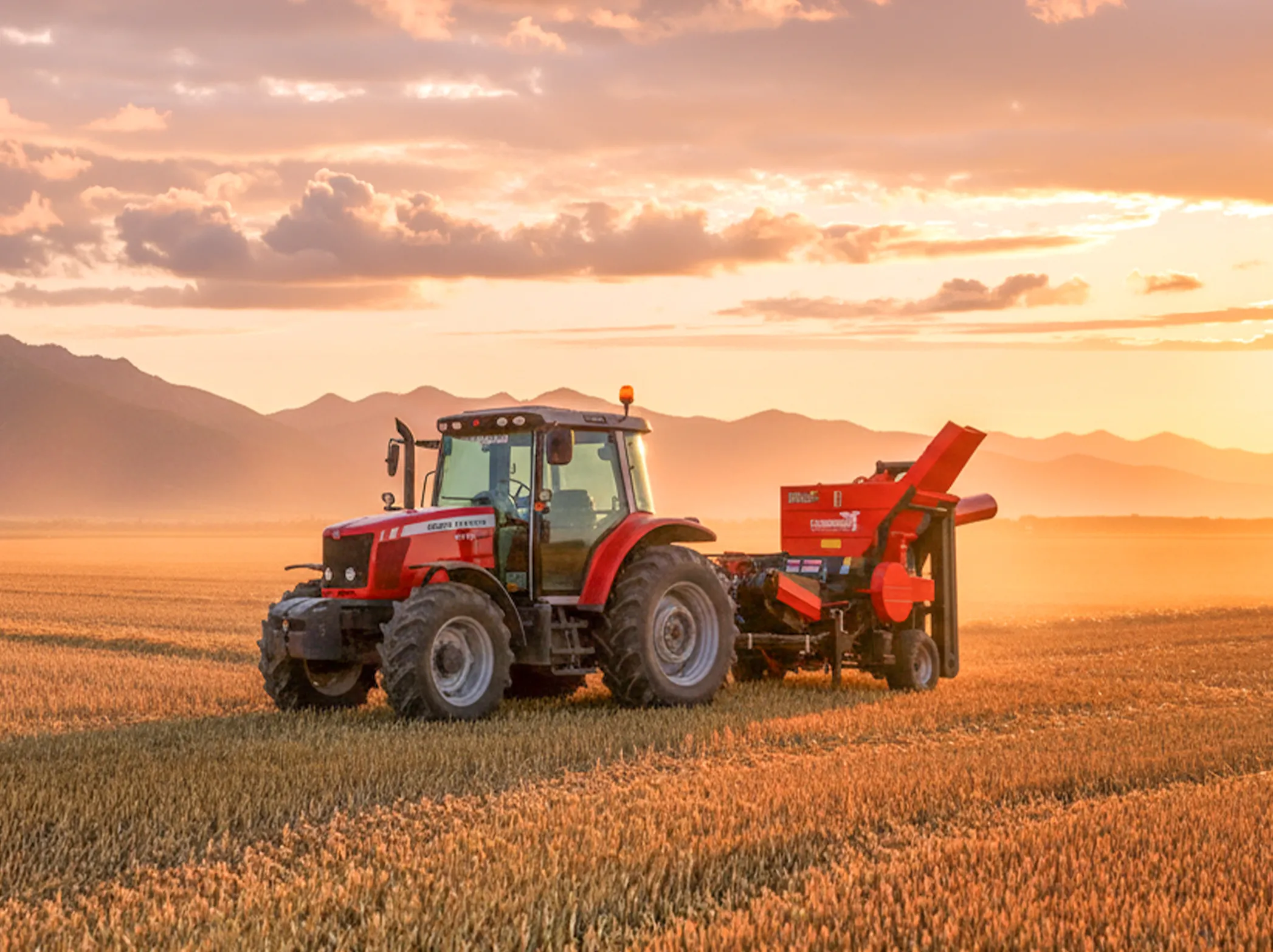
Unlike a stationary thresher machine, a hopper-type tractor thresher travels to the crop. Powered by the tractor PTO, the drum separates grain from the heads, the cleaning system removes chaff, and an elevator carries the clean grain directly into the onboard hopper.
When the hopper is full, the grain is discharged into a trailer within minutes. The traditional cycle of filling, tying, and hauling sacks disappears completely.
What Are the Working Steps of the NCK-02 DM?
- The crop is fed into the intake; the drum threshes the grain from the heads.
- Sieves and the fan clean the grain from straw and chaff.
- The elevator transfers clean grain into the 750 kg hopper.
- The hopper unloads into a trailer while the machine keeps working without stopping.
How Does a Hopper Thresher Reduce Labor Costs?
Short answer: the bagging, tying, and carrying work that normally keeps 2-3 workers busy is handled by a single tractor operator. Over a harvest season, the savings in daily wages alone can repay a significant part of the investment.
- Fewer workers: No crew is needed at the bagging outlet; one operator manages the whole process.
- No downtime: The 2200 kg/hr capacity runs continuously because the machine never stops for sack changes.
- Less grain loss: Spillage during bagging and transport ends; grain goes straight into a closed hopper.
- Safer work: Lifting 50-60 kg sacks is eliminated, reducing injury risk during peak season.
With rural labor becoming scarcer and seasonal wages rising worldwide, mechanized grain handling is the most reliable way to protect harvest profitability.
What Is the Difference Between a Threshing Machine and a Straw Chopper?
A threshing machine separates and cleans the grain from harvested crops, while a straw chopper collects and shreds the leftover stalks to produce animal feed. One is built for grain, the other for forage.
- Threshing machine: Harvests grain from wheat, barley, chickpeas, and lentils (NCK-01, NCK-02, NCK-04 series).
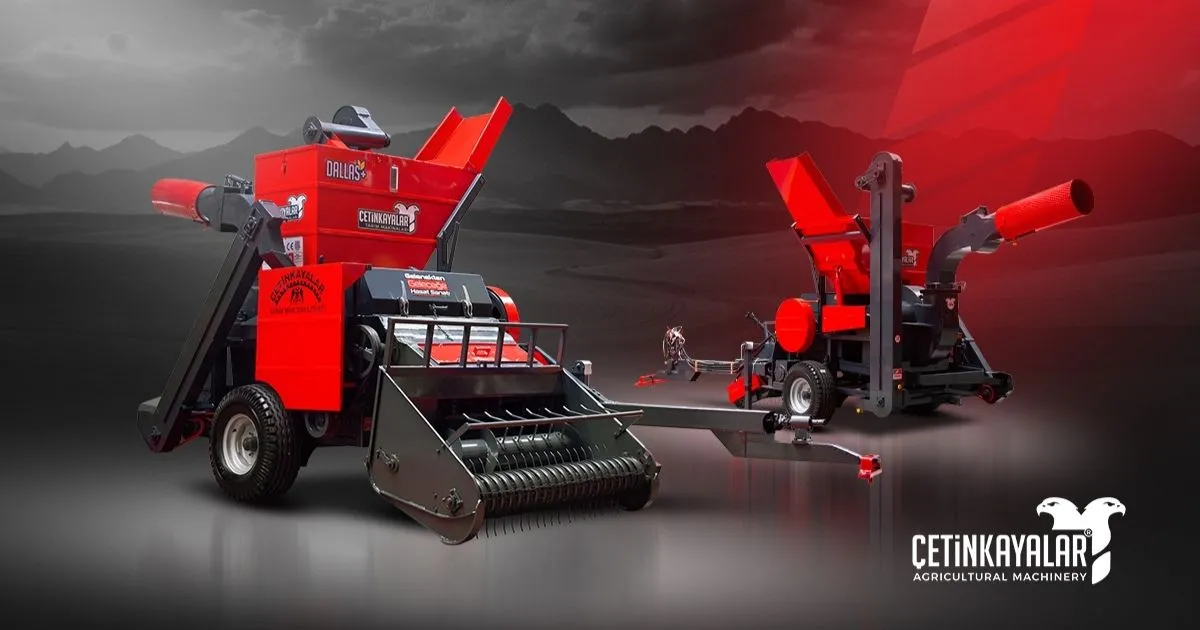
- Straw chopper: Picks up stubble, chops it fine, and loads it into a trailer (NCK-03 SM series).
Farms running both machines earn twice from the same field: grain from the thresher, then high-quality straw from the residue.
Should You Choose a Single or Double Elevator Model?
If you grow standard cereals, the single elevator model is sufficient; if you grow hard-to-separate crops such as red lentils, the double elevator model is essential. The decision depends entirely on your crop pattern.
Who Is the Single Elevator NCK-02 DM For?
- Farms focused on wheat, barley, and oats
- Buyers looking for a lower initial thresher machine price
- Crop patterns where standard cleaning quality is sufficient
What Is the Advantage of the Double Elevator System?
The double elevator model adds a second recycling elevator. Any grain that is not fully cleaned is automatically returned to the drum and re-threshed. This delivers near-zero loss and market-ready purity in difficult crops like red lentils.
Which Crops Can a Hopper Thresher Harvest?
The NCK Series is a true multi-crop thresher. With a simple pulley and sieve change, the same machine handles different crops:
- Cereals: Wheat, barley, oats (a proven wheat thresher configuration)
- Pulses: Chickpeas, lentils, beans, broad beans, vetch
- Others: Cumin and similar small-seed crops
Why Choose a Cetinkayalar Hopper Threshing Machine?
Cetinkayalar Agriculture has focused exclusively on threshing and straw technologies since 1970, with more than 50 years of field-proven experience. Every machine is engineered and tested under the demanding conditions of Anatolian agriculture.
- 2200 kg/hr capacity with an impact-resistant steel body
- Continuous spare parts supply and an established service network
- Proven 'Turkish Machinery' quality exported from Asia to Africa
For international data on how mechanization improves farm labor productivity, see the FAO sustainable agricultural mechanization resources.
The thresher machine price varies by elevator configuration and optional equipment. Contact our export team for a current quotation and delivery terms.
Frequently Asked Questions - FAQ
How much grain does the hopper hold?
The standard hopper capacity of the NCK-02 DM series is 750 kg. The fully automatic NCK-04 pickup thresher increases this capacity to 1000 kg (1 ton).
What tractor power does the machine require?
The machine is powered by the tractor PTO and is designed to run efficiently with mid-range farm tractors. Our technical team can recommend the ideal power class based on your terrain and trailer load.
Should I replace my old threshing machine with a hopper model?
Older threshers are usually stationary and bagging-type; if your labor costs are high, the hopper model typically pays for itself within a few seasons. When considering used machines, always verify spare parts availability first.
For which crops is the double elevator essential?
It is essential for crops that separate poorly from their husks, especially red lentils. The recycling elevator returns uncleaned grain to the drum, achieving close to 100% purity.
How should the machine be maintained off-season?
Clean the machine with compressed air after the season, grease the bearings, and check belt tension. Storing the machine under cover significantly extends the life of the body and sieves.
People Also Ask - PAA
Is a hopper thresher the same as a combine harvester?
No. A combine cuts and threshes in a single pass, while a hopper thresher processes already-harvested crops behind a tractor. The thresher is far more affordable and ideal for small and medium farms.
What determines the thresher machine price?
The main factors are elevator configuration (single or double), hopper capacity, the gearbox system, and optional equipment. Request a current quotation for an exact figure.
Can the machine work on sloped fields?
Yes. The reinforced steel chassis and balanced hopper placement allow safe operation on slopes, though lower working speeds are recommended on steep parcels.
Does Cetinkayalar export hopper threshing machines?
Yes. Cetinkayalar machines operate in markets across Asia, Africa, Europe, and the Middle East, with full export documentation and spare parts support.
If you enjoy the content of Eliminate labor costs, Please visit our news page for more content.
Please contact us for more information.