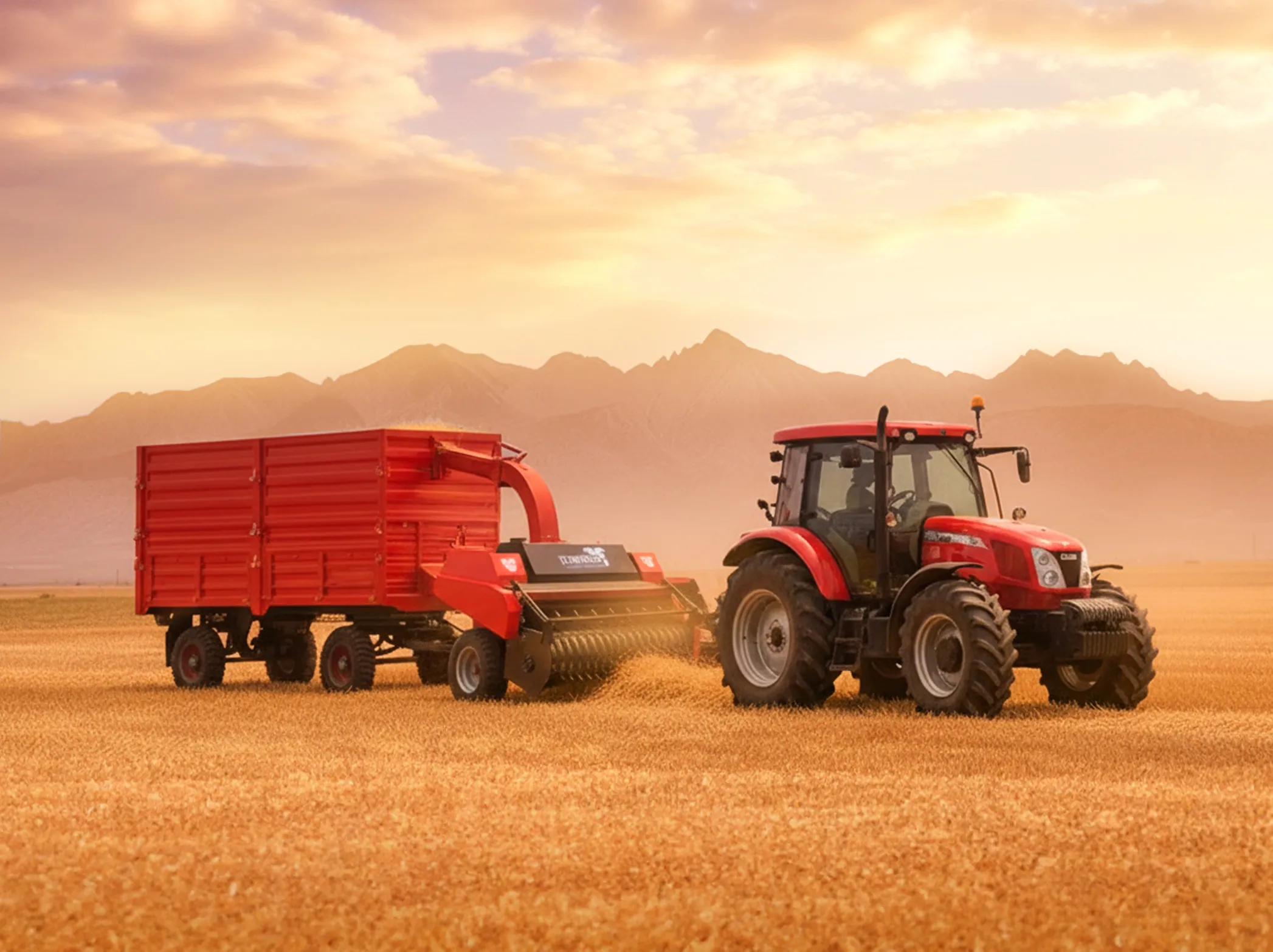


Why is Stubble Burning Banned and is a Straw Chopper the Real Alternative?
In agriculture, there is no room for sentimentality or waste. Burning post-harvest stubble (crop residue) is not only an illegal environmental offense; it is the absolute worst economic decision a farmer can make. Since 1970, Cetinkayalar Agricultural Machinery has operated on one strict reality: field residue is not trash to be burned; it is unharvested wealth waiting to be processed into high-value livestock feed.
The only true, economically viable alternative to burning fields is mechanized clearance using an industrial-grade straw chopper.
The Devastating Cost of Stubble Burning
When stubble is burned, the organic matter and beneficial microorganisms in the topsoil are instantly incinerated at temperatures exceeding 250°C. The soil loses its water-retention capacity, becomes highly susceptible to erosion, and fertilizer efficiency for the next season drops by up to 30%. Furthermore, with global roughage prices soaring, setting fire to tons of usable crop stalks means you are literally burning your own money.
The solution is not fire. The solution is the NCK-03 SM series, designed to mechanically clear the field while generating profit.
The Ultimate Solution: NCK-03 SM Straw Choppers
Modern operators need equipment that integrates seamlessly into heavy-duty workflows. Cetinkayalar engineering combines field clearance, precise chopping, and high-velocity loading into one aggressive pass.
Automatic Stem Collecting Straw Making Machine
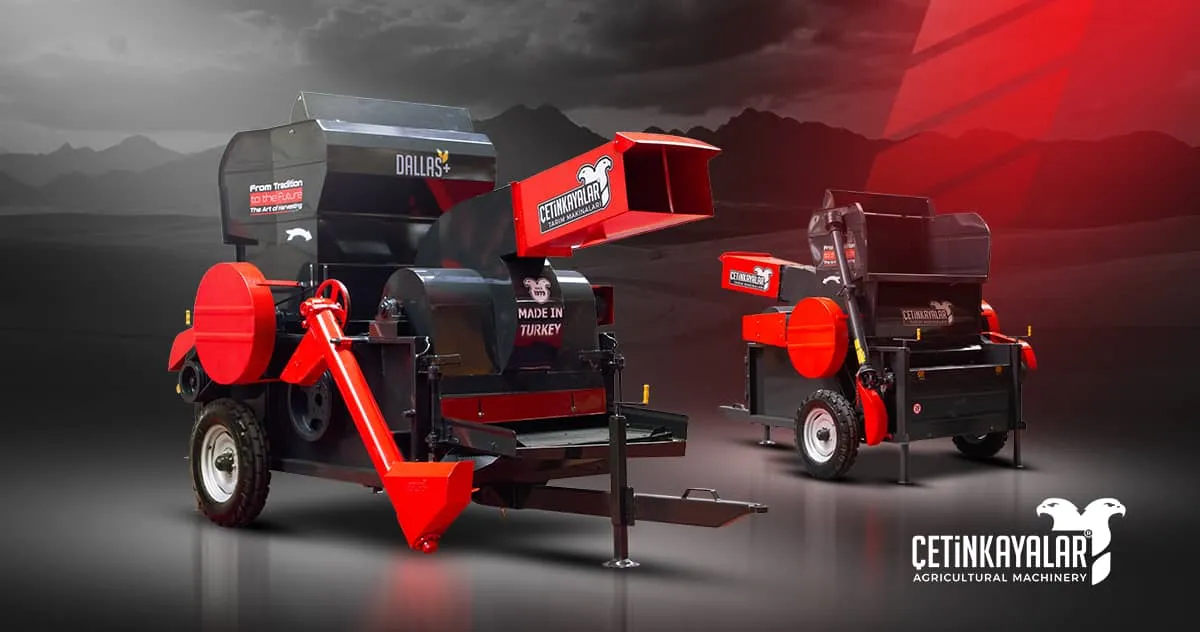
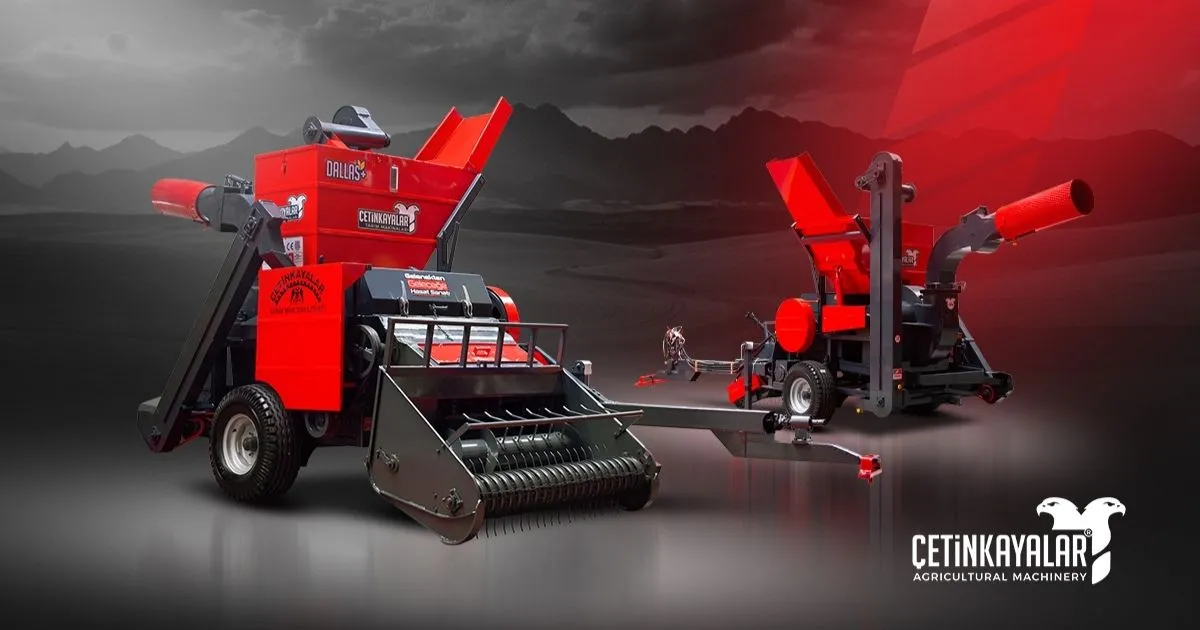
(Explore the Product: [straw-chopper/automatic-stem-collecting]) Known as the "Combine Harvester Rear" collector, this standard model utilizes a massive 1800 mm wide pickup unit to automatically lift swaths directly from the ground. It clears the field of stubble entirely, chopping Wheat, Barley, and Oat stalks, and acting as a powerful blower to discharge the material directly into a trailing wagon.
Knife System Automatic Stem Collecting (Chaff Cutter Tech)
(Explore the Product: [straw-chopper/knife-system-automatic-stem-collecting]) If you want to maximize your herd's feed conversion ratio, standard crushing is not enough. This model features 54 special steel blades in the drum, functioning as an elite chaff cutter. It actively slices thick, hard-structured maize and soybean stalks into highly digestible fibers without clogging. This "Fine Chop" straw blends flawlessly when later processed in a vertical feed mixer, completely eliminating selective eating by livestock.
🔥 Global Forum Debate: "Baling vs. Direct Straw Chopping"
A fierce debate constantly surfaces in international agronomy forums: "Instead of burning stubble, should I hire a baler to compress it, store it, and then shred it in the winter, or should I use an automatic straw chopper directly in the field?"
Our Engineering & Economic Verdict: If you are processing feed for your own livestock rather than for long-distance commercial transport, baling is an absolute waste of capital. The cost of baler twine, the heavy manual labor required to move bales, and the secondary operational cost of running those bales through a shredder in the winter triples your overall expenses. Furthermore, a baler simply compacts the material; it does not enhance its nutritional form.
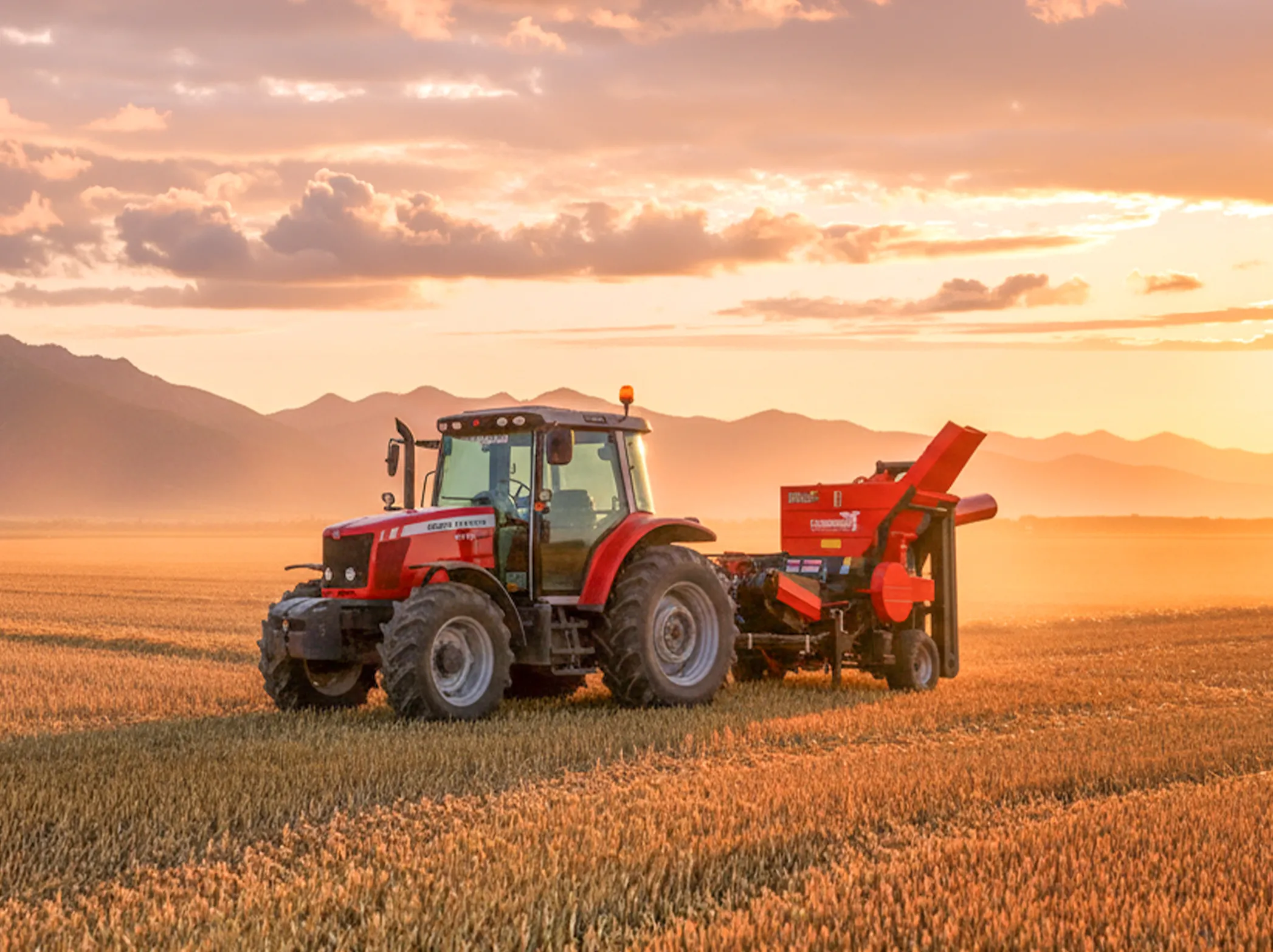
The Cetinkayalar NCK-03 SM Automatic Stem Collector picks up the crop, chops it finely, and blows it into a trailer in a single, fuel-efficient pass. The field is cleared, and the feed is ready.
If you enjoy the content of Why is Stubble Burning Banned and is a Straw Chopper the Real Alternative?, Please visit our news page for more content.
Please contact us for more information.
❓ Frequently Asked Questions (FAQ) - EN
1. How does using a straw chopper protect the soil compared to burning?
A straw chopper mechanically slices the stalks above the ground. The root systems remain in the soil to decompose into organic matter. This avoids the catastrophic thermal damage of fire, preserving soil microorganisms and moisture retention.
2. Why is the Knife System better for Total Mixed Rations (TMR)?
The Knife System slices stalks into fine fibers rather than just crushing them. When this fine straw is loaded into a feed mixer wagon alongside silage and concentrates, it creates a 100% homogeneous blend, preventing cattle from sorting and wasting feed.
3. Does the Cetinkayalar straw chopper strain the tractor?
No. Our specialized gearbox systems transfer power from the tractor's PTO with minimal mechanical loss. A standard tractor with 50-55 HP is perfectly sufficient to operate the machine at its maximum capacity of 2200 kg/hr without stalling.
💡 People Also Ask (PAA)
What is the most cost-effective way to clear corn stubble?
Using a heavy-duty, knife-system straw chopper clears thick corn stalks instantly, converting what would be a hard-to-till waste product into premium livestock roughage in one pass.
Is a baler more expensive than a straw chopper?
Yes. Balers require a massive upfront investment and incur continuous costs for twine and secondary handling. For on-farm use, a direct straw chopper offers a vastly superior Return on Investment (ROI).
What is the capacity of the NCK-03 SM?
The Cetinkayalar NCK-03 SM is designed for high-yield operations, capable of continuously processing up to 2200 kg (2 Tons) of crop residue per hour.