
Straw Chopper Machine: Types, Selection Guide
Straw Chopper Machine: Types, Selection Guide & Cetinkayalar Agriculture
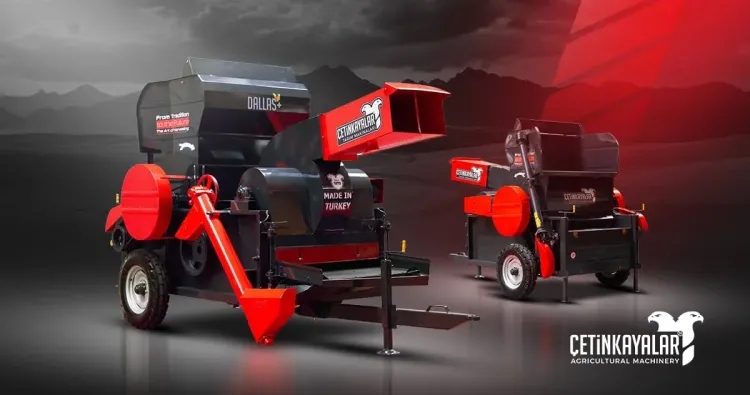
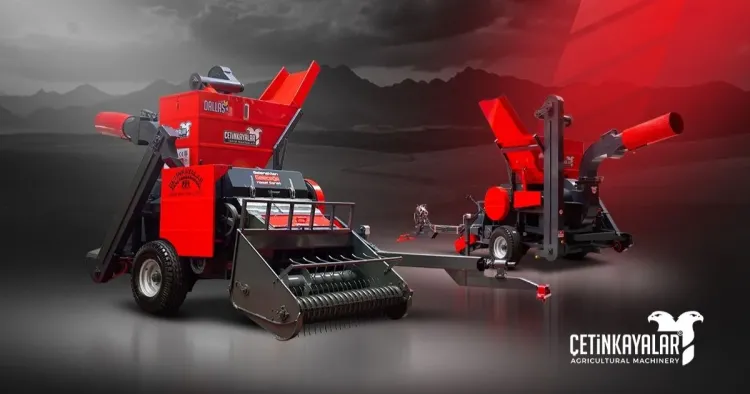
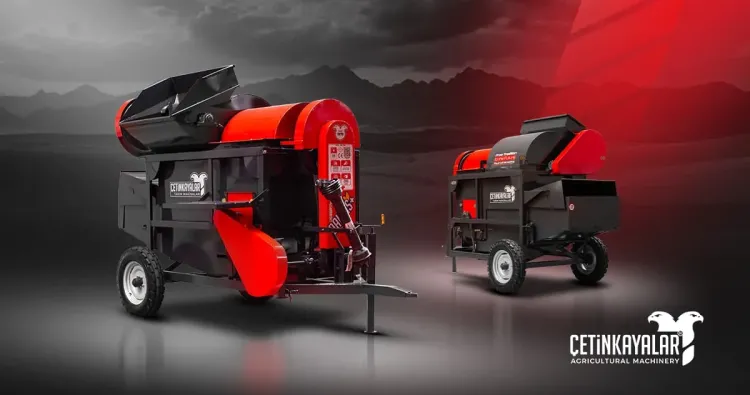
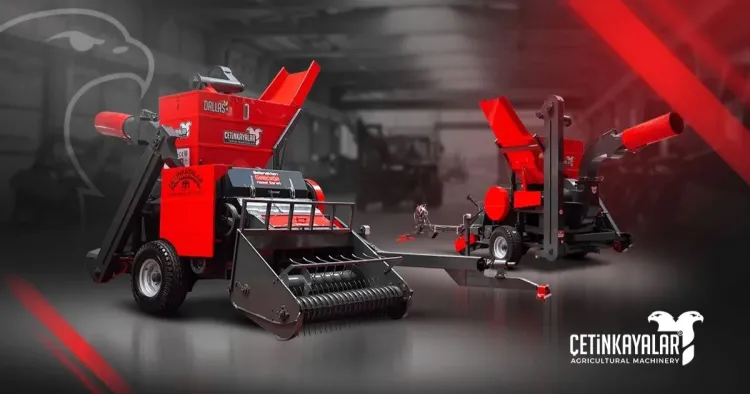
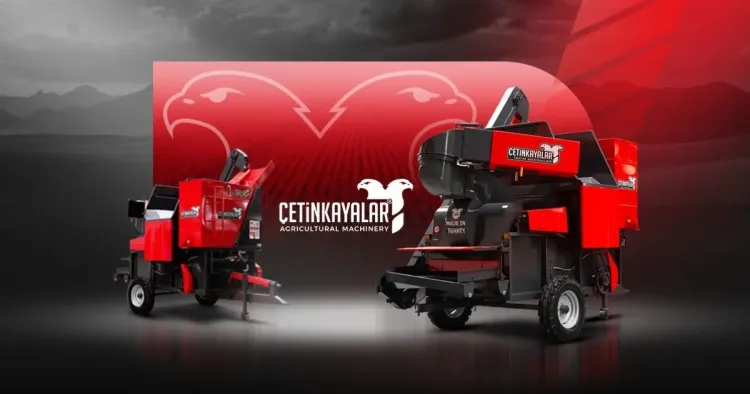
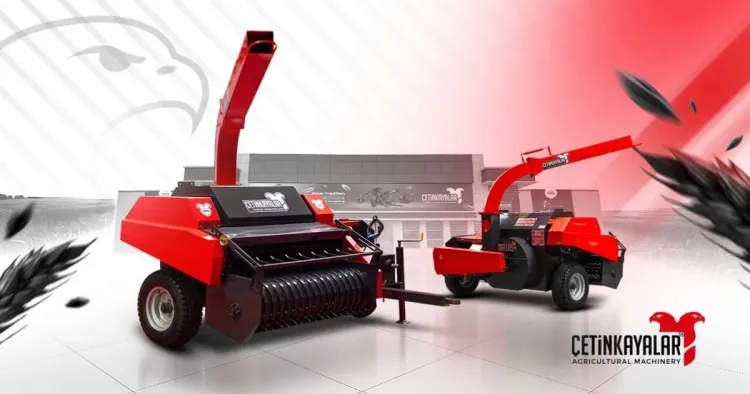
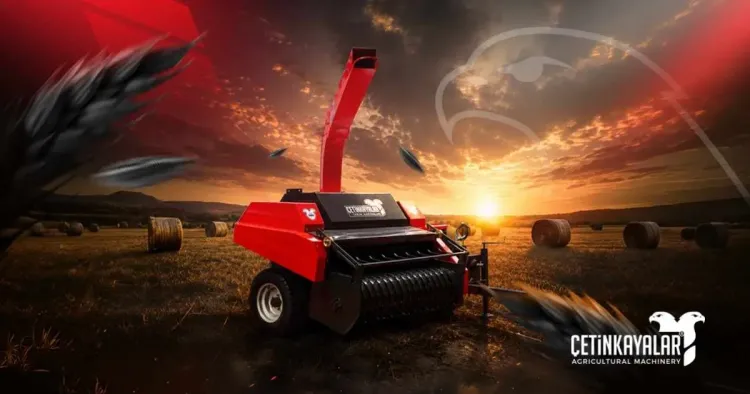
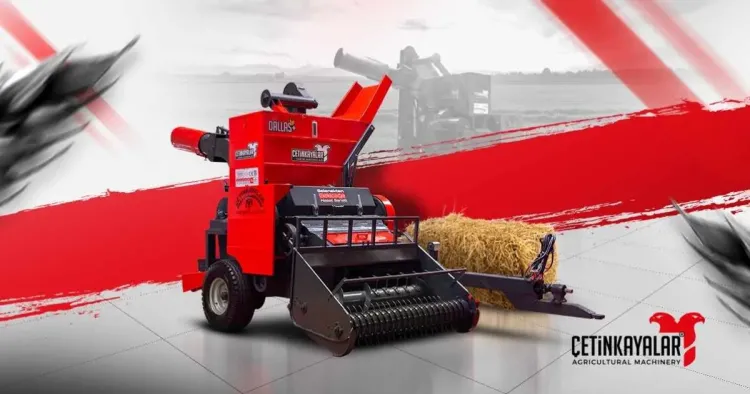
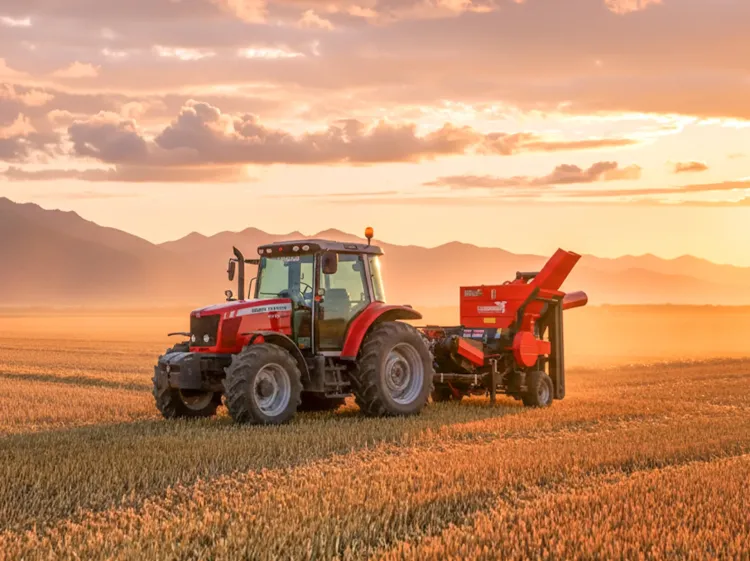
A straw chopper (also called a straw maker or stubble collector) is an agricultural machine that automatically collects wheat, barley, and maize stalks left in the field after harvest and converts them into high-quality animal feed. Cetinkayalar Agriculture, manufacturing since 1970 in Konya, Turkey, offers the NCK-03 SM automatic stem-collecting straw chopper and the NCK-06 OM alfalfa & forage chopper — both with a 2,200 kg/hour processing capacity.
What Is a Straw Chopper and Why Does It Matter for Livestock Farms?
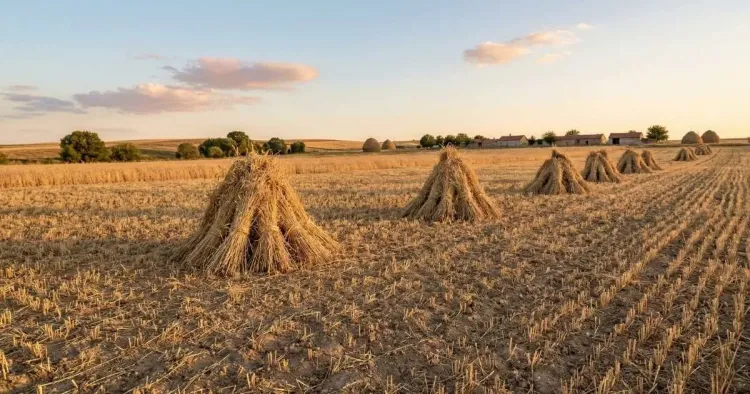
A straw chopper transforms post-harvest crop residues — typically discarded or burned — into valuable winter feed for cattle, sheep, and goats. For livestock operations, producing straw on-farm rather than purchasing it externally can reduce annual feed costs significantly while managing field residues efficiently.
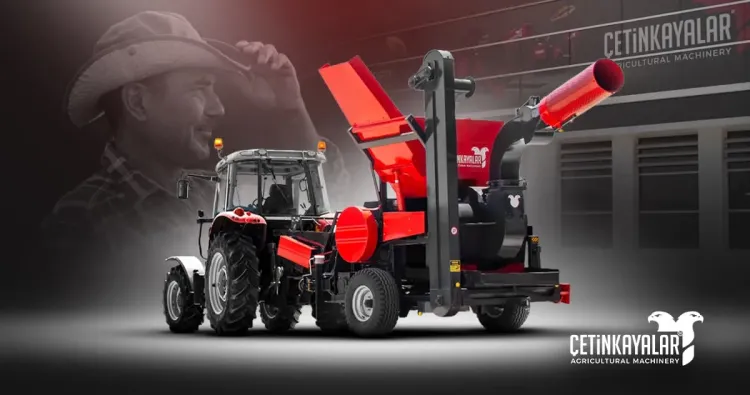
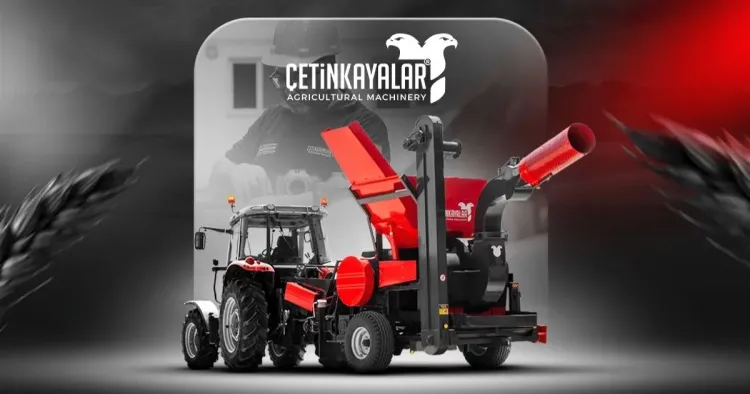
Cetinkayalar straw choppers are PTO-driven (no separate engine), running off the tractor's power take-off shaft. This keeps fuel costs low and maintenance simple — a key advantage in remote farming environments.
What Is the Difference Between a Threshing Machine and a Straw Chopper?
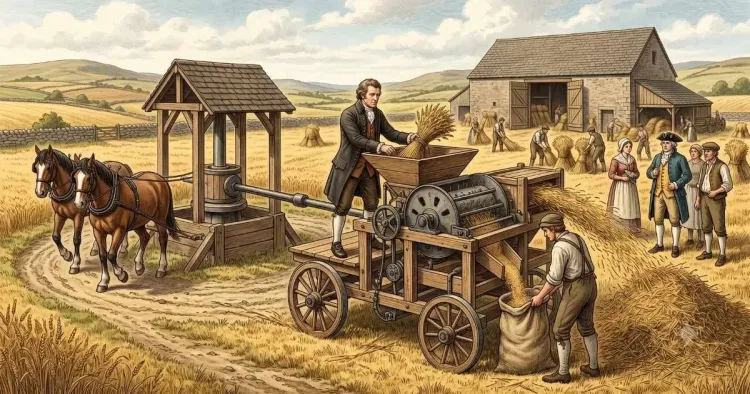
A threshing machine separates the grain from the stalk — it harvests the crop. A straw chopper collects and processes the stalks left behind after threshing into animal feed. They are complementary machines: the thresher harvests first, the straw chopper follows to convert residues into straw.
|
Feature |
Threshing Machine |
Straw Chopper |
|---|---|---|
|
Primary Role |
Grain–stalk separation |
Stalk collection & chopping |
|
Operating Time |
Harvest season |
Post-harvest, feed production |
|
Output Product |
Wheat, barley, pulse grain |
Chopped straw (animal feed) |
|
Operation Mode |
Mobile or stationary |
Automatic field pickup |
|
Cetinkayalar Model |
NCK-01, 02, 04, 05, 07 |
NCK-03 SM, NCK-06 OM |
Cetinkayalar Straw Chopper Models: Which One Do You Need?
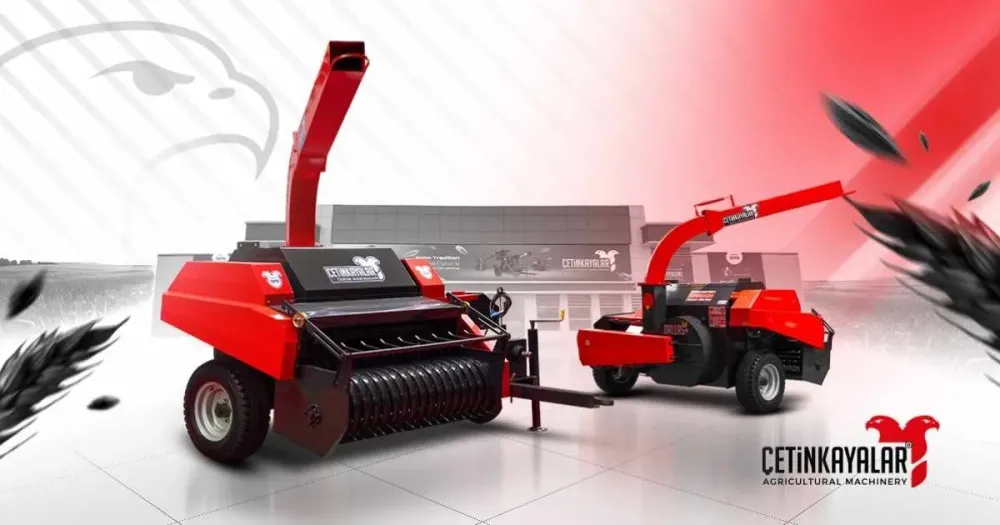
NCK-03 SM: Automatic Stem Collecting Straw Chopper
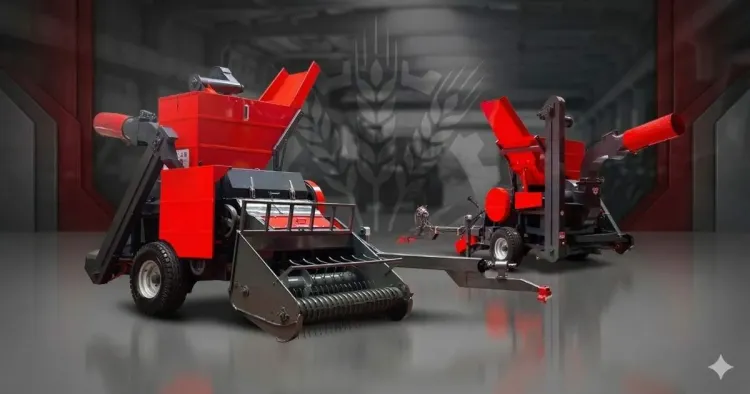
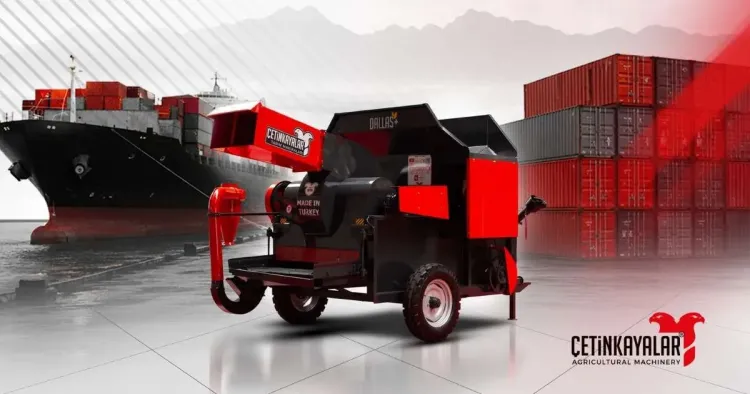
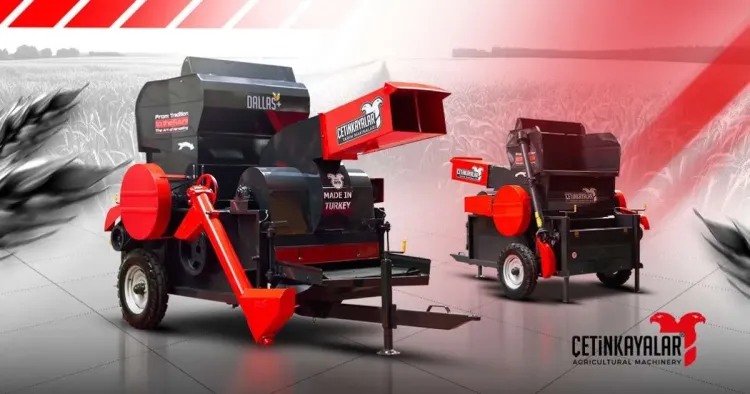
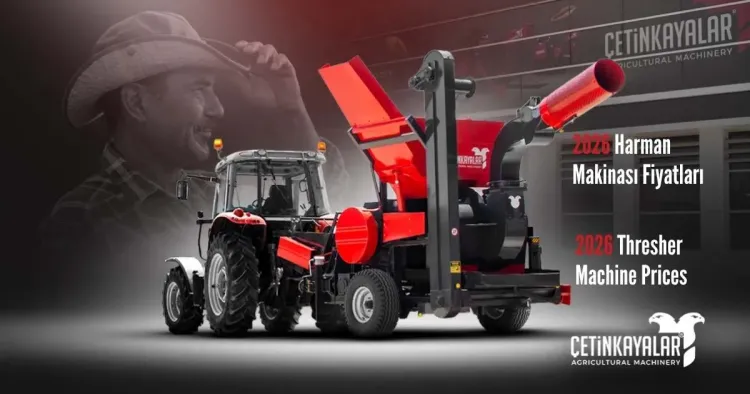
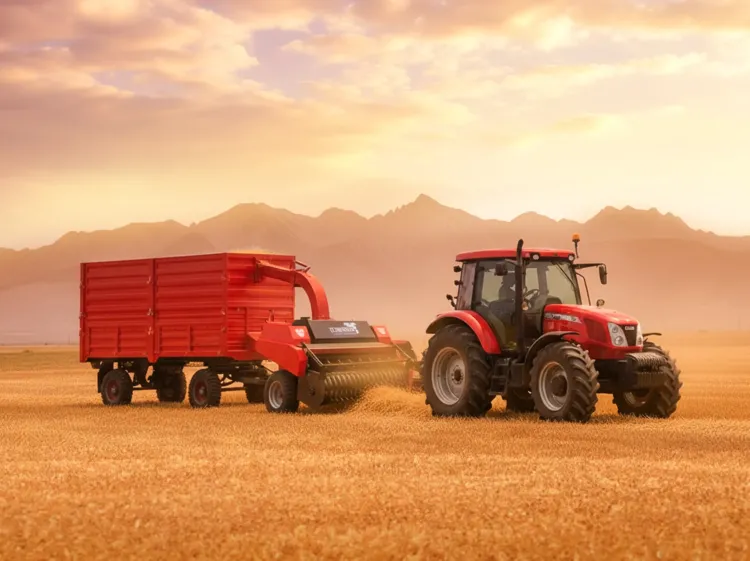
The NCK-03 SM is Cetinkayalar's flagship straw chopper. Its 1,800 mm wide pickup unit automatically collects swathed or scattered stalks left by the combine harvester — eliminating manual labor entirely.
- Standard System: Collects and chops wheat, barley, oat, maize, and soybean stalks. Loads directly into a trailer.
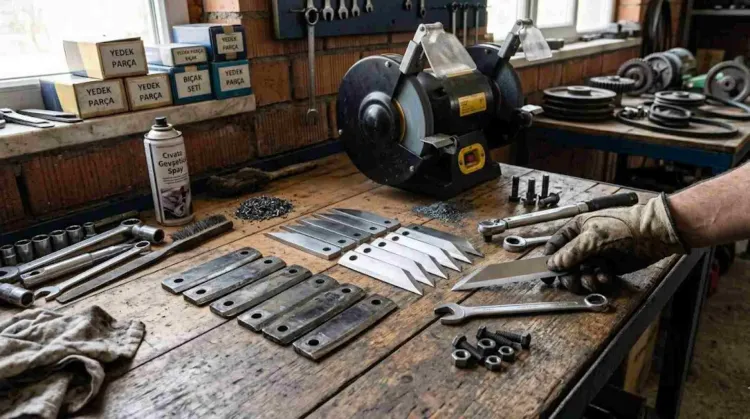
- Knife (Blade) System: Features 54 special blades in the drum. Cuts stalks into fine fibers (haşbay) — producing soft, easily digestible straw. Improves livestock feed intake and positively impacts milk and meat yields.
- Capacity: 2,200 kg/hour
- Drive: Tractor PTO (540 rpm)
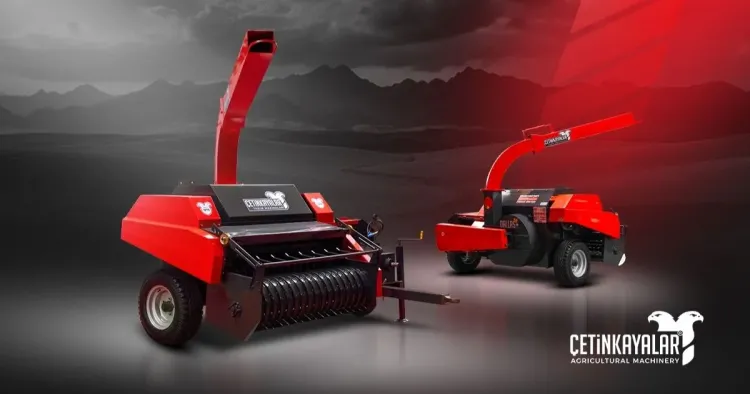
NCK-06 OM: Alfalfa & Forage Chopper (Stationary)
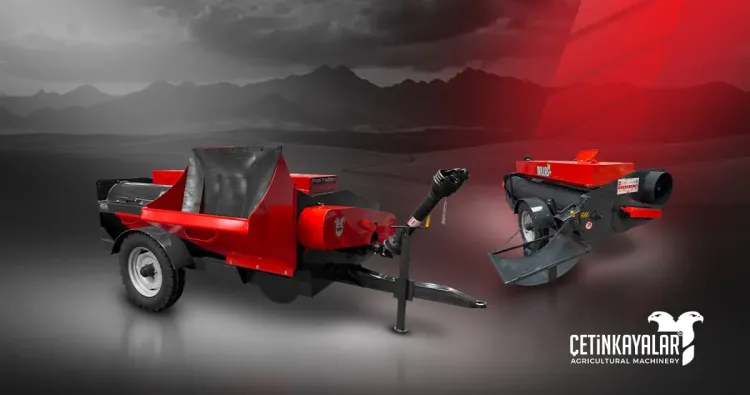
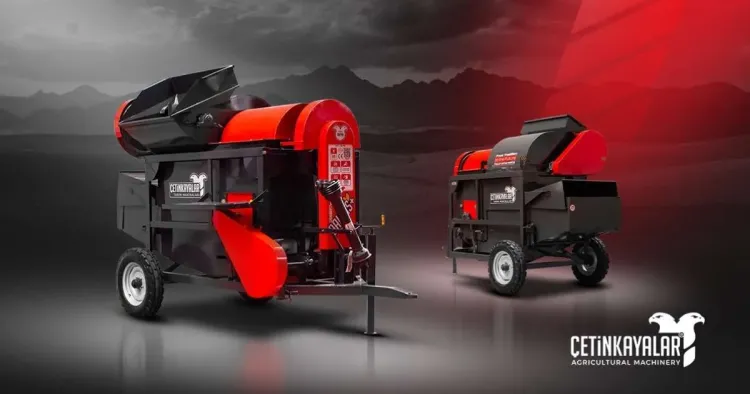
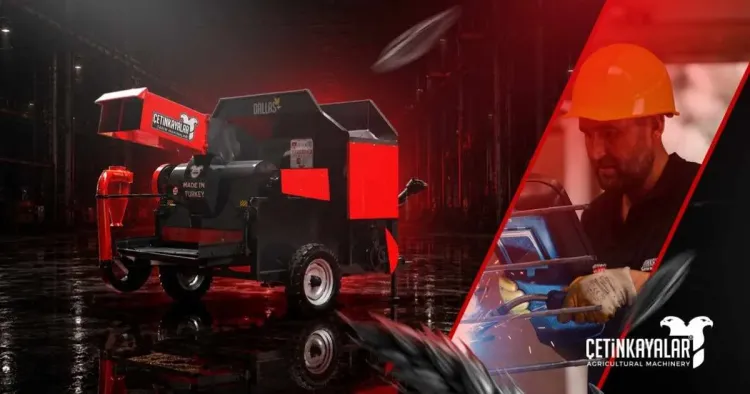
Designed for processing harvested and dried alfalfa, vetch, hay, and meadow grass, the NCK-06 OM features a 1,200 mm wide feeding hopper. Manual feeding by fork or pitchfork gives the operator full control over feed rate and input quality.
- Ideal Crops: Alfalfa, vetch (fasal), hay, dried grass
- Feeding: Manual (fork/pitchfork)
- Key Benefit: Gentle drum system preserves protein-rich alfalfa leaves — minimizing leaf loss
- Capacity: 2,200 kg/hour
Standard vs Knife System: Which Straw Chopper Produces Better Feed?
|
Criterion |
Standard System |
Knife (Blade) System |
|---|---|---|
|
Cutting Method |
Crushing / impact |
Slicing / fiber separation |
|
Straw Texture |
Coarser, longer particles |
Fine chop — cotton-like softness |
|
Digestibility |
Standard |
Higher — improved intake |
|
Livestock Benefit |
Adequate roughage |
Better digestion, higher yield potential |
|
Maize Stalk Handling |
Moderate |
Excellent — no clogging |
|
Maintenance |
Minimal |
Periodic blade sharpening required |
|
Best For |
General cereal straw |
Intensive livestock operations |
|
Field Experience — Livestock Farmer, Central Anatolia "Before the NCK-03 SM knife system, I was buying straw every winter. Now I produce my own from the field. The fineness of the chop is something my cattle clearly prefer. The machine paid for itself in under two seasons." |
Straw Chopper vs Straw Baler: What Is the Right Tool?
These two machines serve different purposes and are often confused by buyers new to fodder production equipment:
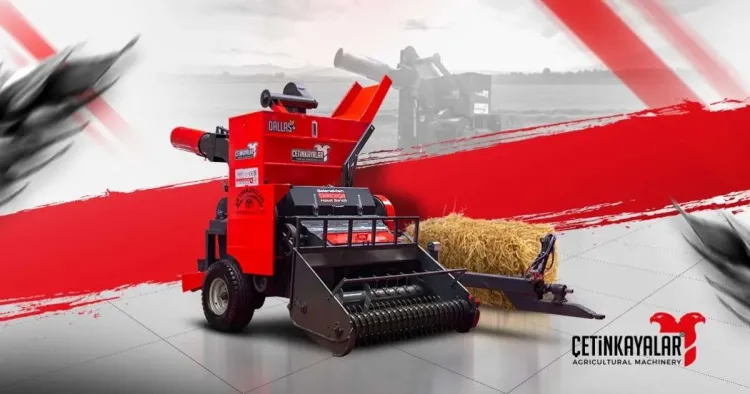
- Straw chopper: Converts stalks into loose, ready-to-feed chopped straw on the spot.
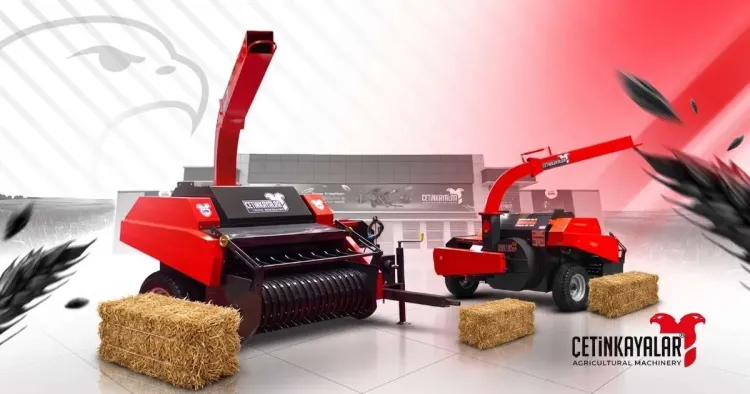
- Straw baler (bale press): Compresses straw into rectangular or round bales for storage and transport.
- For immediate feeding: straw chopper. For storage and distant transport: baler first, then chop before feeding.
Many farms use both: the straw chopper for direct daily feed and the baler for surplus straw destined for winter stock.
Frequently Asked Questions - FAQ
Which crops can the NCK-03 SM straw chopper process?
The NCK-03 SM handles wheat, barley, oat, maize, and soybean stalks as standard. The Knife System model is particularly effective with hard-structured maize stalks, which can clog lesser machines. The NCK-06 OM is designed for alfalfa, vetch, hay, and dried grass.
What tractor horsepower is needed to run a straw chopper?
A minimum of 60–70 HP is recommended for the NCK-03 SM standard system. For the knife system or dense maize stalks, 80 HP and above provides more stable operation. The NCK-06 OM feeder model runs comfortably on 55–60 HP. PTO output must be 540 rpm.
What is the difference between a straw chopper and a forage chopper?
A straw chopper primarily processes dry field residues (stalks) left after combine harvesting. A forage chopper processes fresh or semi-dried green material — corn silage, grass silage, or whole-crop silage. The Cetinkayalar NCK-06 OM bridges this gap: it handles dried forage crops (alfalfa, vetch) from a stationary feeding hopper.
How often do the knives on a blade-system straw chopper need sharpening?
Under normal operating conditions, the 54-blade drum set on the NCK-03 SM Knife System requires sharpening every 200–300 working hours. Sharpening restores cutting efficiency and prevents excess power draw. Cetinkayalar's national service network supplies original blades and performs scheduled maintenance.
Is buying a second-hand straw chopper a good investment?
Used straw choppers are available at 40–70% of new machine prices, but the condition of pickup rubber tines, drum blades (knife system), gearbox, and PTO shaft must be professionally assessed. For operations that depend on seasonal continuity, the after-sales support and spare parts availability of a new Cetinkayalar machine often delivers better long-term value than an uncertified used machine.
People Also Ask (PAA)
What is a straw chopper used for in farming?
A straw chopper collects and processes post-harvest crop stalks into chopped animal feed (straw), replacing purchased roughage with on-farm production. It reduces feed costs and eliminates field residues simultaneously.
What is the difference between a straw chopper and a straw baler?
A straw chopper produces loose, ready-to-feed chopped straw on the spot. A straw baler compresses straw into compact bales for storage and transport. Many farms use both machines in sequence depending on season and feed requirements.
Can a straw chopper process maize stalks?
Yes — particularly the Knife System model (NCK-03 SM Blade System), which uses 54 cutting blades to handle hard-structured maize and soybean stalks without clogging. The standard crushing model is less effective on thick maize stover.
What is fine chop straw (haşbay) and why is it beneficial for livestock?
Fine chop straw (haşbay) is straw cut into very short, fiber-separated particles by blade-equipped straw choppers. Its soft, cotton-like texture improves palatability and digestibility in cattle and sheep, which can positively influence daily weight gain and milk production compared to coarser conventional straw.
If you enjoy the content of Straw Chopper Machine: Types, Selection Guide, Please visit our news page for more content.
Please contact us for more information.