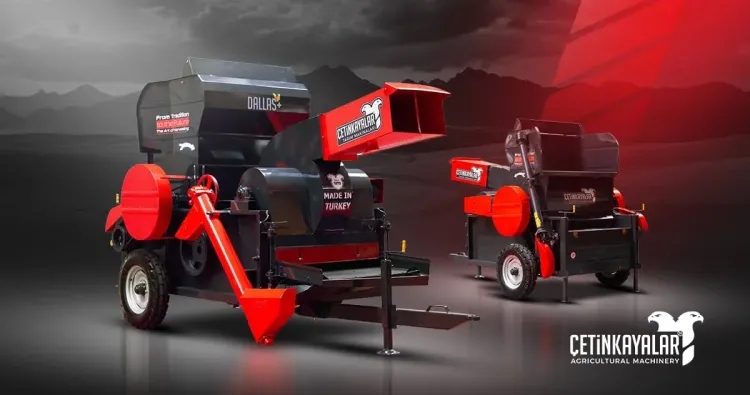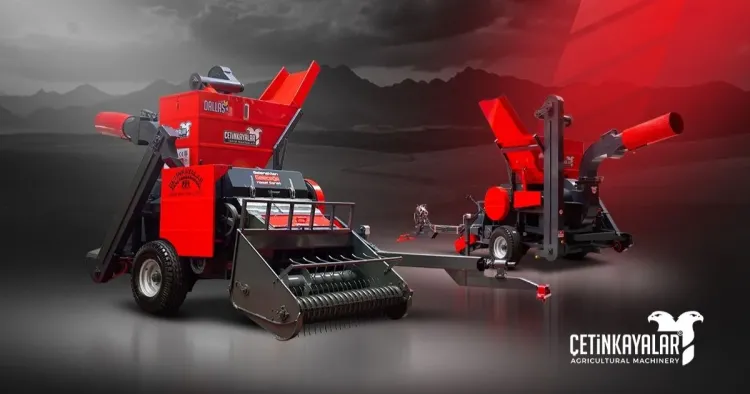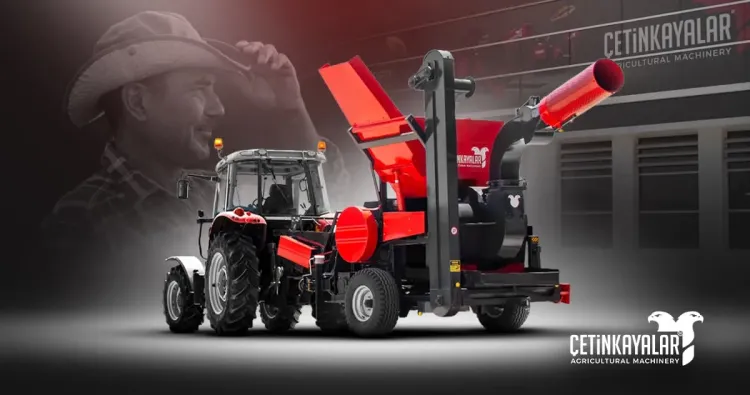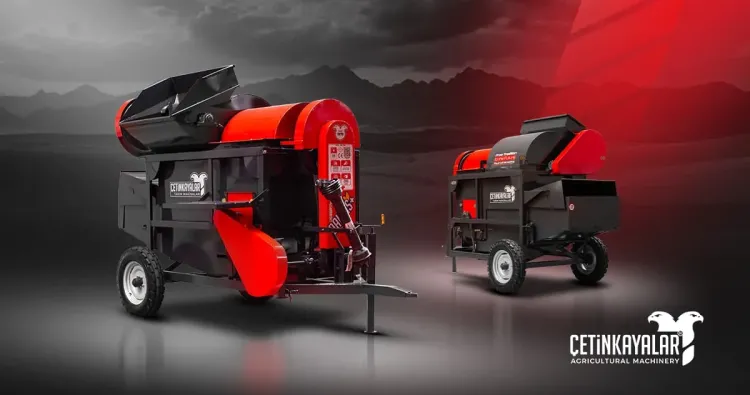

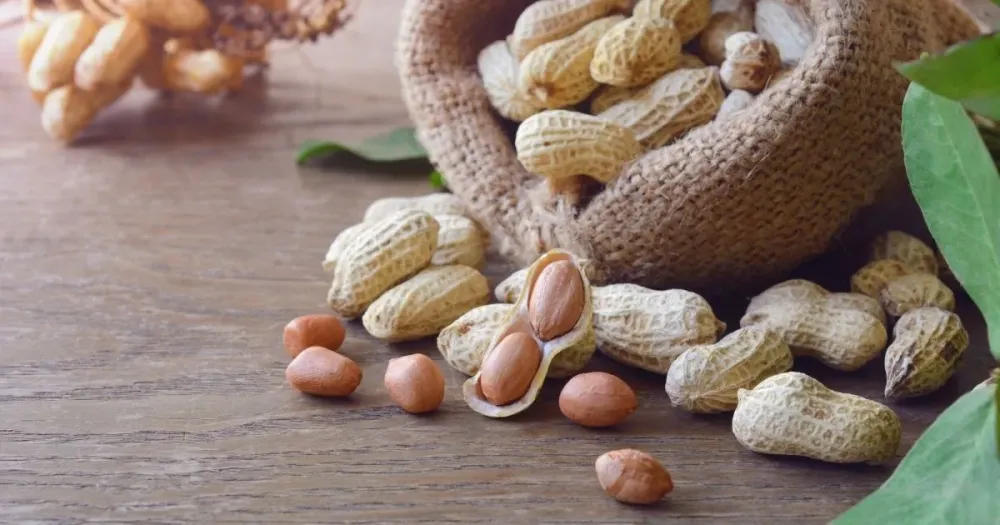
Groundnut Harvesting
Why a Standard Threshing Machine Fails on Groundnut Harvesting
Groundnut (peanut) is one of the highest-value oilseed crops globally. Yet harvest is the point where most of that value is lost. A standard threshing machine that performs reliably on wheat or chickpeas destroys groundnut pods when applied to peanuts — cracking shells, leaving soil contamination unresolved, and producing a final product that falls below marketable grade. This failure is not a machine quality issue. It is a fundamental mismatch between standard threshing machine drum geometry and the physical properties of groundnut pods.
Why Does Groundnut Harvesting Require a Different Machine?
Standard Drum Peripheral Speed Exceeds Groundnut Shell Tolerance
A standard threshing machine drum operates at 800-1,100 rpm, generating peripheral speeds of 20-28 m/s. This is optimized for separating cereal grains from stalks through impact. Groundnut shells are brittle and cannot absorb this impact energy without cracking. The shell fractures before the pod separates cleanly from the vine. The result: broken pods with reduced market value and a contaminated mix that cannot be cleaned by any standard sieve configuration.
The numbers make the mismatch clear
Standard threshing machine drum peripheral speed: 20-28 m/s. Maximum peripheral speed that groundnut shells can absorb without damage: 8-12 m/s. This gap of 2-3x is not a tuning problem — it is a design mismatch. No pulley or belt adjustment closes a gap of this magnitude without eliminating the machine's ability to separate the crop at all.
Groundnut Plant Anatomy Defeats Standard Sieve Systems
Groundnut pods develop underground. At harvest, the plant is pulled from the soil and left to dry in windrows — pods still attached to roots that carry soil and root debris. Standard threshing machine sieve systems are designed for grain separation by size. They have no mechanism for separating soil clumps and root-entangled pods. The result is a product loaded with soil contamination that no standard farm thresher can clean.
Root Structure Blocks Standard Pickup Mechanisms
The groundnut plant's root system is fibrous and elongated. Standard thresher farm equipment pickup mechanisms are not designed for this fibrous mass. Root and stem material accumulates in the pickup drum and feed channels, causing blockages that halt operation and risk damage to drive components. A single mid-harvest blockage can cost hours of productive time.
⚠ Critical: Do not attempt groundnut harvesting with a standard threshing machine
Using a standard thresher machine on groundnuts causes 30-50% shell cracking, unresolvable soil contamination, and risk of serious mechanical failure mid-season. The repair cost typically exceeds the price difference between a standard thresher and the NCK-05 FM groundnut thresher.
⚠ MOST DEBATED TOPIC IN FARMING FORUMS
'Can I Use a Standard Thresher with a Smaller Pulley to Reduce Drum Speed for Groundnuts?'
This workaround appears consistently on agricultural equipment forums across Turkiye and groundnut-producing regions worldwide. The reasoning: the standard threshing machine runs too fast and breaks shells — reduce drum speed with a smaller pulley and the problem is solved. Why does this approach fail?
First, reducing drum speed causes incomplete pod-vine separation — the crop is not fully threshed. Second, the standard sieve system still cannot separate soil-contaminated pods — pulley change does not address sieve geometry. Third and most critical: the soil and root contamination problem in groundnut harvesting is structural, not speed-related. No belt or pulley adjustment on a standard threshing machine resolves it. The NCK-05 FM's precision drum geometry and dedicated separation system address all three problems simultaneously.
Forum users who have tested this approach consistently report the same outcome: shell cracking is reduced but not eliminated, soil contamination remains unresolved, and final product quality falls below market grade. Partial improvement is not a solution.
The NCK-05 FM Groundnut Thresher: Where the Structural Difference Lies
Precision Low-Speed Drum
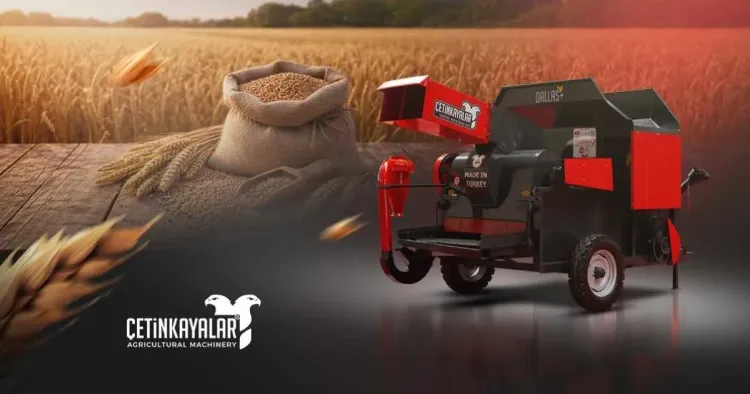
The NCK-05 FM drum operates at peripheral speeds within the groundnut shell's impact tolerance range — a fraction of standard thresher machine drum speed. Pods are separated from vines without shell damage. Shell integrity is preserved, which directly translates to marketable product and premium pricing.
Soil and Root Separation System
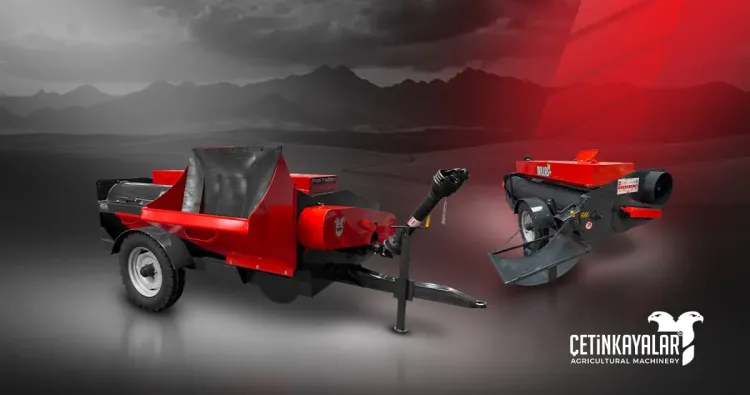
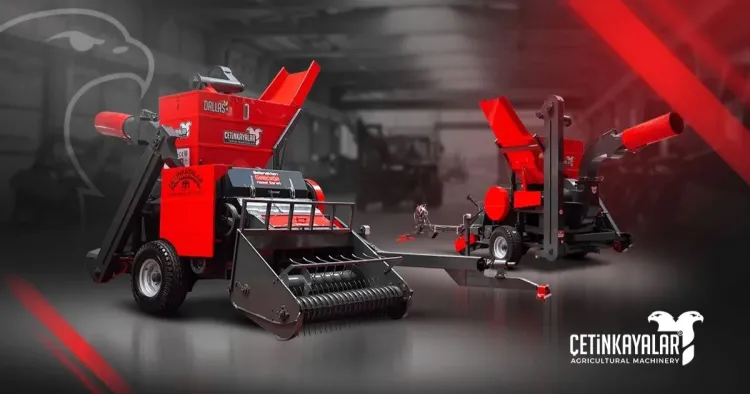
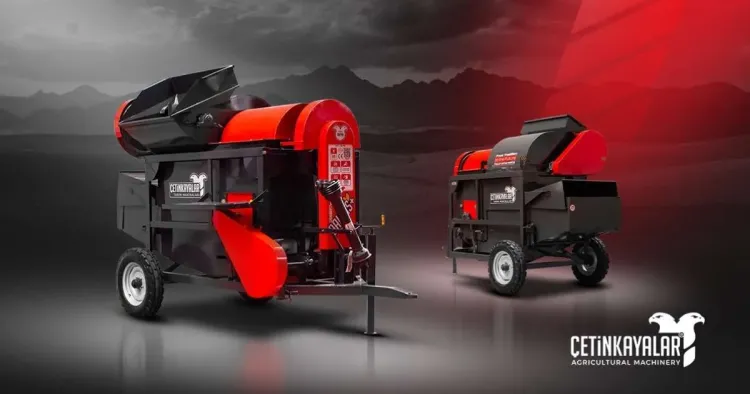
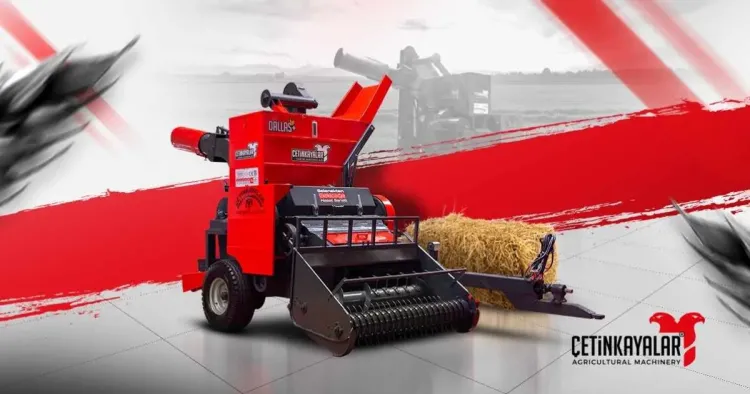
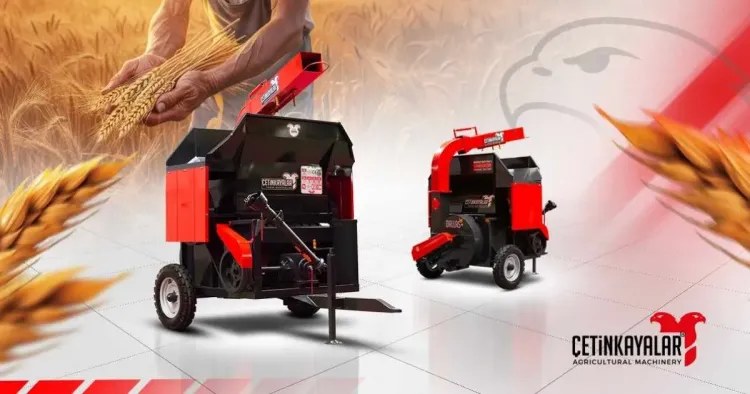
The Cetinkayalar Agriculture NCK-05 FM's separation mechanism is purpose-built to remove soil and root debris from pods — a capability absent from any standard threshing machine. This stage is what converts a contaminated raw harvest into a clean, marketable product.
Groundnut-Specific Pickup Design
The pickup unit on the NCK-05 FM is engineered for the groundnut plant's root and stem structure. The fibrous root mass does not cause blockages. Continuous operation through dense plant material is maintained — eliminating the mid-harvest stoppages that standard thresher farm equipment consistently produces on groundnuts.
If you enjoy the content of Groundnut Harvesting, Please visit our news page for more content.
Please contact us for more information.
FAQ — Frequently Asked Questions
1. How much crop loss does a standard threshing machine cause on groundnuts?
Field data consistently shows 30-50% shell cracking rate when a standard threshing machine is used on groundnuts. This includes both the price reduction on cracked pods and the product lost from shells broken open before collection. Combined with the unresolvable soil contamination, total effective harvest loss frequently exceeds 40% of the potential crop value.
2. What tractor HP is required for the NCK-05 FM groundnut thresher?
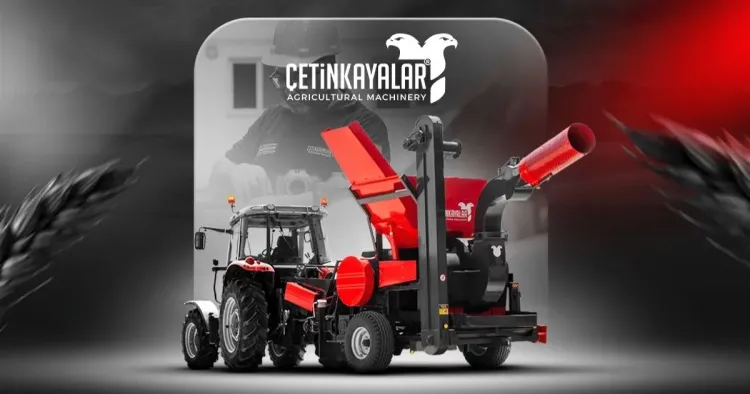
The NCK-05 FM operates at standard 540 rpm PTO output. Minimum 45 HP is required; 55-65 HP is optimal. Due to the low drum peripheral speed relative to standard threshing machines, the NCK-05 FM generates lower PTO load than a standard thresher machine at comparable crop volume.
3. Can the NCK-05 FM be used for other pulse crops like chickpeas or beans?
The NCK-05 FM is purpose-engineered for groundnut harvesting. Its precision low-speed drum geometry, optimized for groundnut shell tolerance, would underperform on chickpeas and beans — crops that require higher drum impact to separate cleanly. The NCK-05 FM is a specialty machine, not a multi-crop platform.
People Also Ask (PAA)
What is the correct drum speed for a groundnut thresher machine?
A groundnut thresher machine must operate at drum peripheral speeds between 8-12 m/s to avoid shell damage. Standard threshing machines run at 20-28 m/s — more than twice the groundnut shell's safe impact threshold. The NCK-05 FM is calibrated to operate within the correct range for groundnut harvesting.
How do you prepare groundnuts for machine threshing?
After digging, groundnut plants should be left to dry in windrows for 10-14 days before threshing. This drying step reduces moisture content in pods and vines, making pod-vine separation cleaner and reducing root debris. Threshing undried groundnuts — even with the correct machine — increases vine blockage risk and reduces separation quality.
Can a farm thresher used for wheat also harvest groundnuts with adjustments?
No. The physical properties of groundnut pods and the contamination from soil and roots create problems that no adjustment to a standard wheat thresher farm equipment can resolve. The drum geometry, sieve system, and pickup mechanism all require purpose-specific engineering for groundnut harvesting. The NCK-05 FM addresses these requirements as a dedicated groundnut machine.
What market grade is achievable with the NCK-05 FM groundnut thresher?
The NCK-05 FM's precision drum preserves shell integrity and its separation system removes soil contamination — the two factors that determine groundnut market grade. Operations using the NCK-05 FM consistently report harvest quality meeting first-grade market requirements. With a standard threshing machine, achieving first-grade quality is not technically possible due to shell cracking and contamination.