
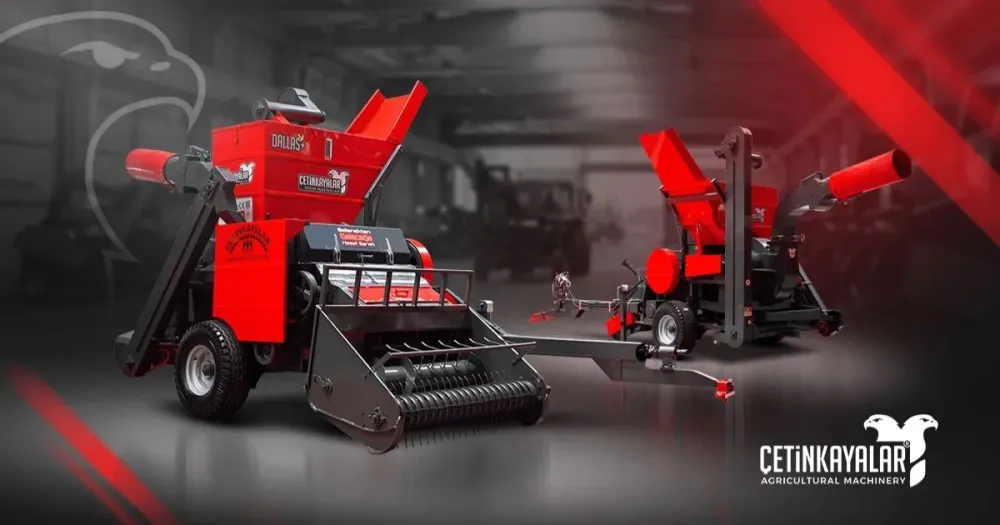
Hopper Thresher vs. Automatic Pickup Thresher
Threshing Machine Comparison: Hopper Thresher vs. Automatic Pickup Thresher
Why Most Thresher Machine Buyers Choose the Wrong Model
The NCK-02 and NCK-04 are both full-capacity threshing machines. Both are PTO-driven. Both collect grain into a hopper. On paper, they look identical. In the field, choosing the wrong one costs a full harvest season.
The difference is not technical specification — it is operational fit. Crop type, terrain, pre-harvest preparation method, and labor availability determine which machine belongs in your field. This comparison is built on Cetinkayalar's 50 years of deployment data across Turkey, Asia, Africa, and the Middle East.
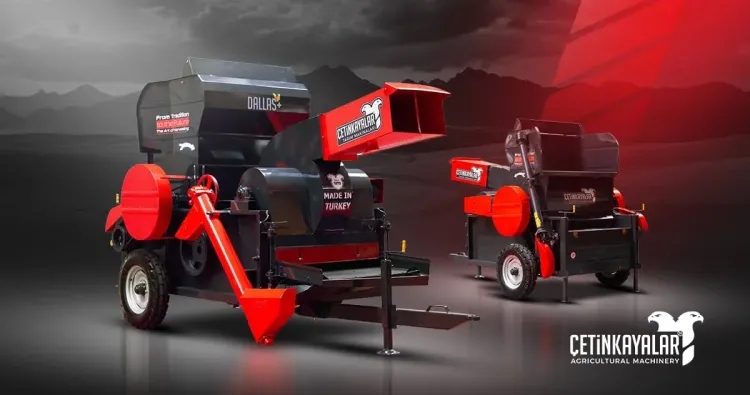
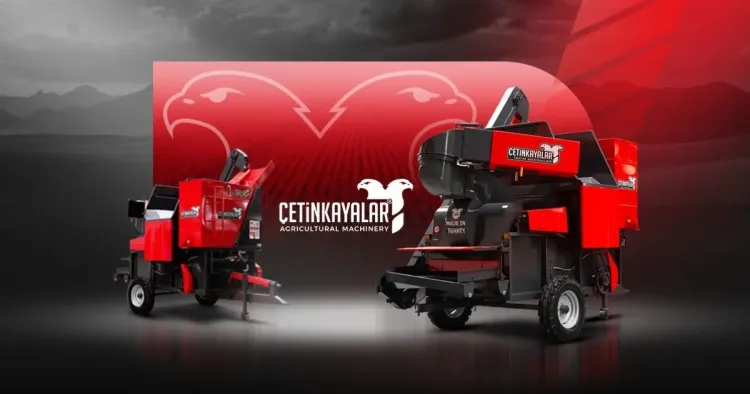
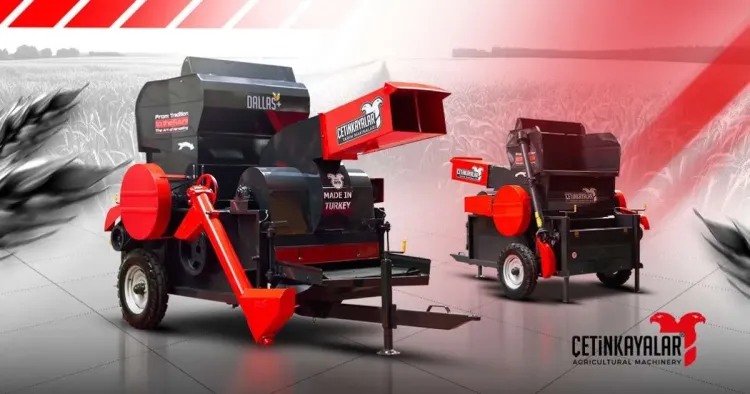
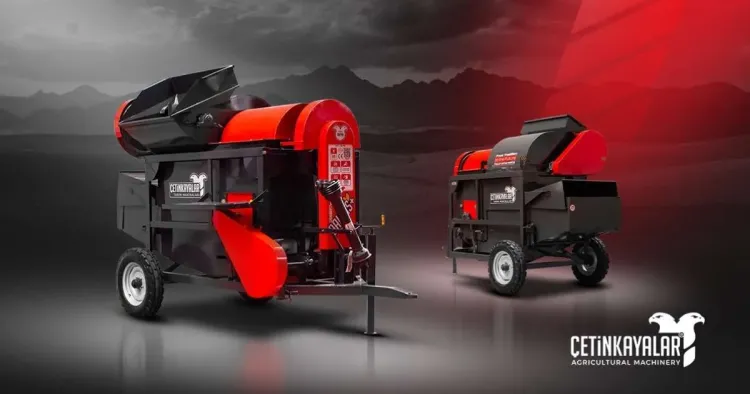
NCK-02 Mobile Hopper: The Farm Thresher for Flexible Operations
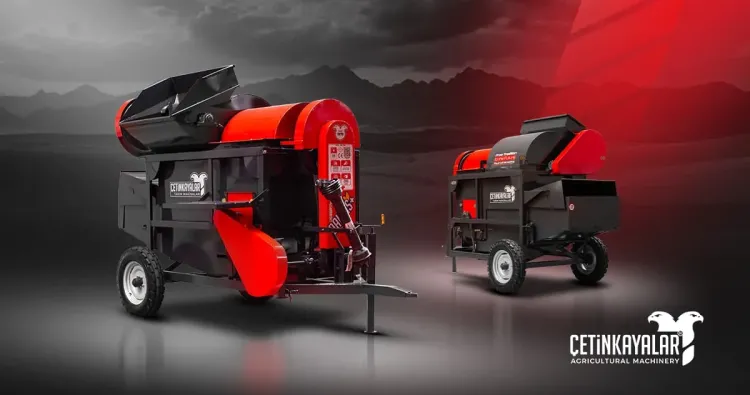
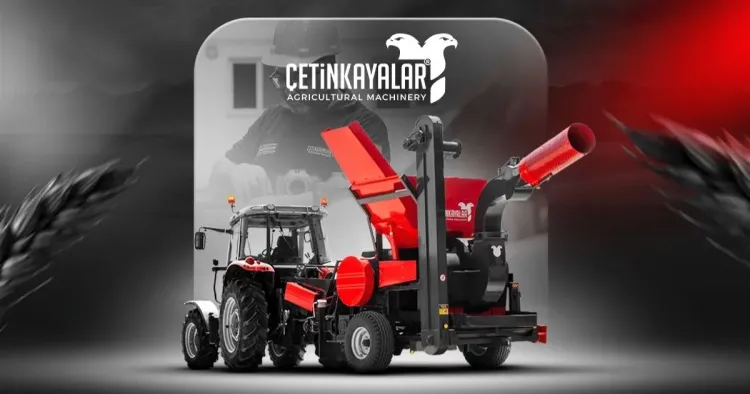
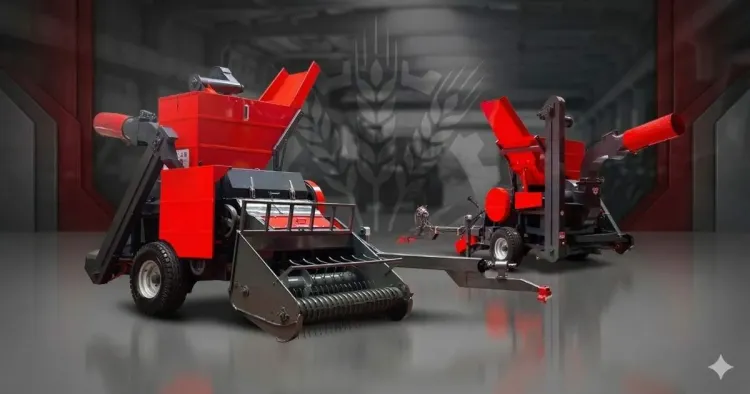
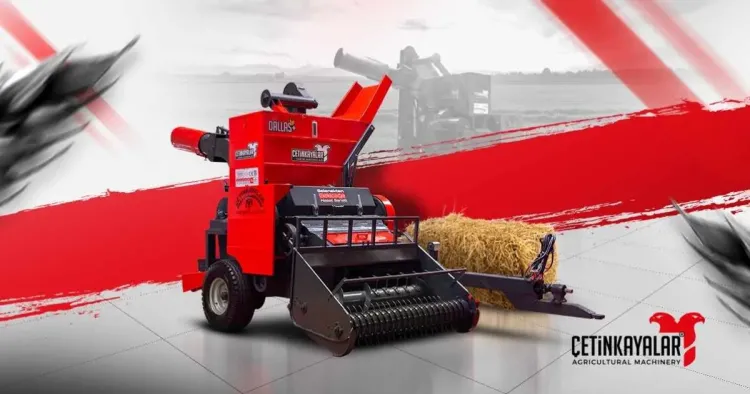
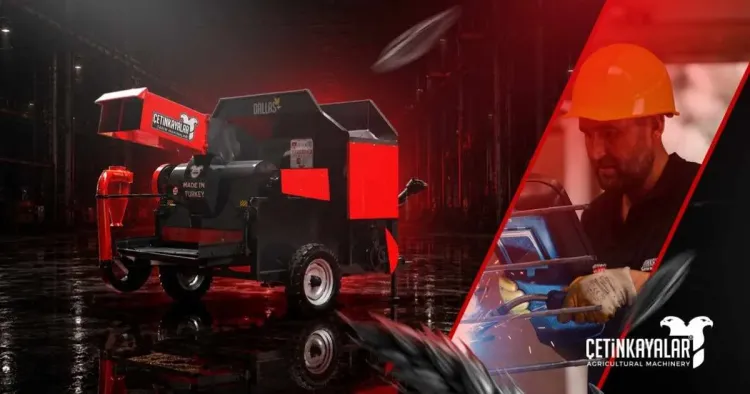
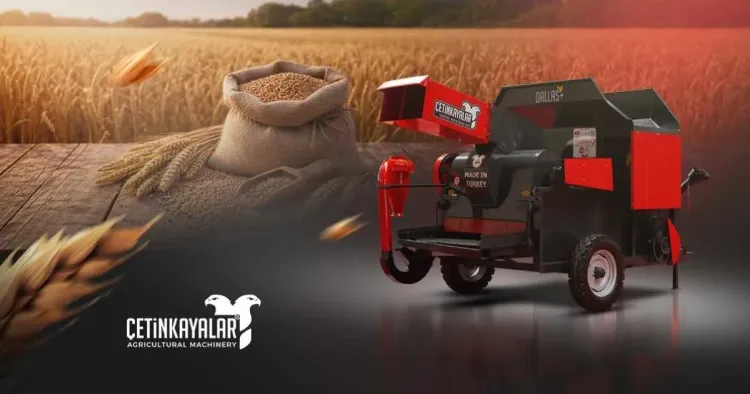
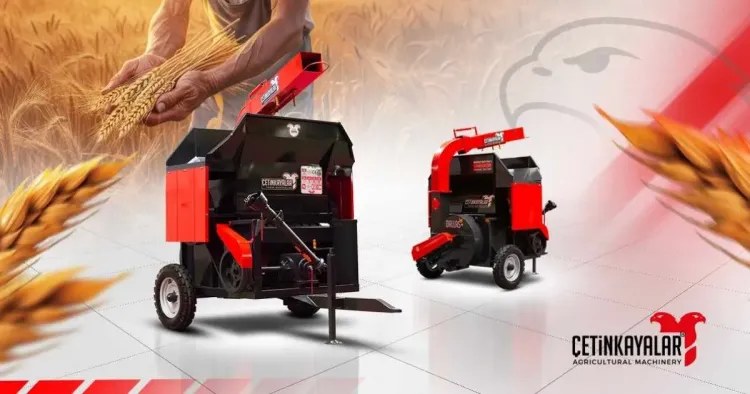
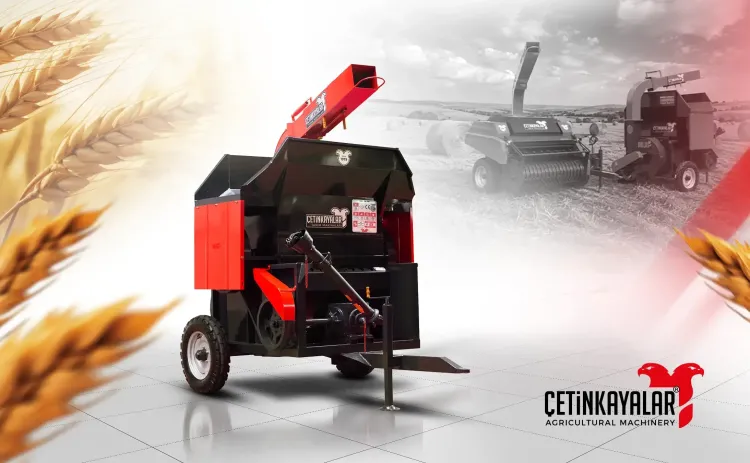
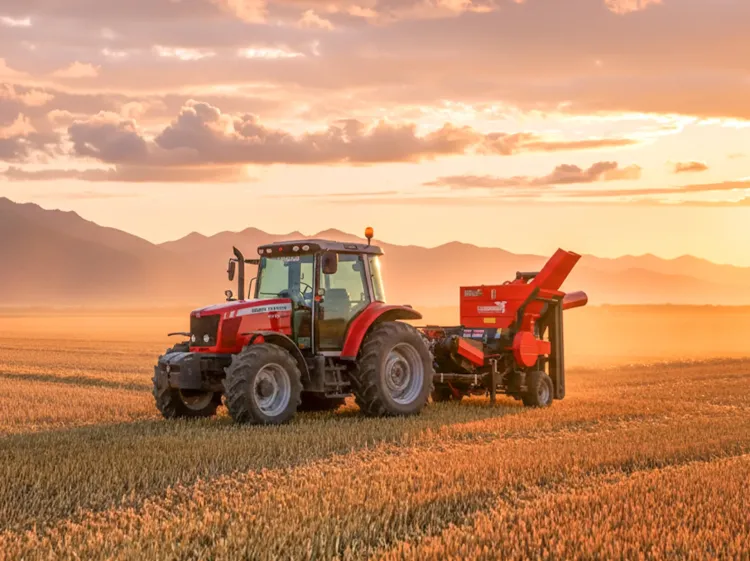
The NCK-02 is the farm thresher built for operations that handle multiple crop types across varied terrain. As a tractor thresher, it moves alongside the tractor through the field — feeding crop directly into the drum and filling its 750 kg hopper without stopping. No stationary setup. No manual bagging.
When NCK-02 Outperforms
- Wheat thresher operations on standing or loosely spread crop — no pre-windrowing needed.
- Works as a wheat thresher machine adaptable to barley, oats, and — with sieve change — chickpeas and lentils.
- Small to medium fragmented fields where turning radius is a limiting factor.
- Rice thresher machine configuration available with drum speed reduction and mesh tightening.
- Double elevator version delivers 100% grain purity on red lentils and other hard-to-separate crops.
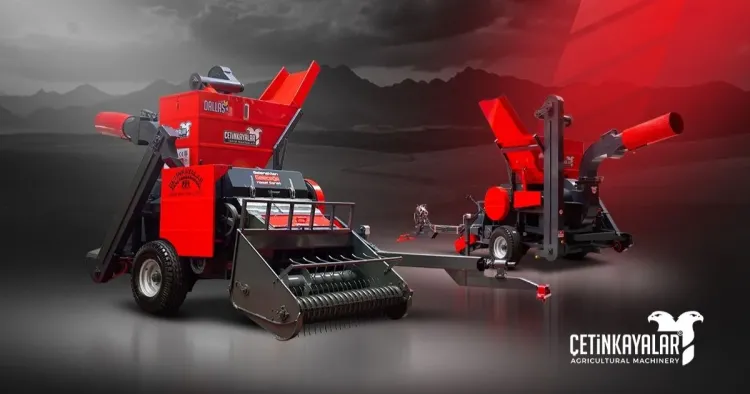
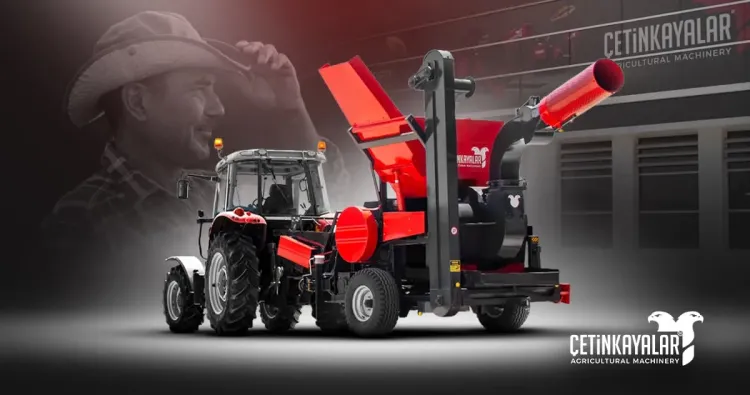
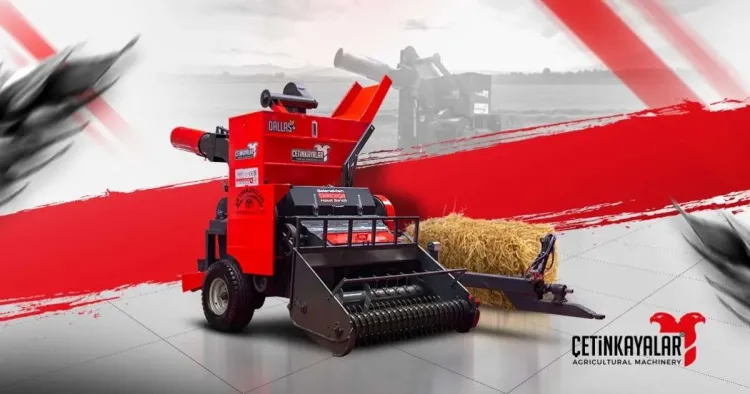
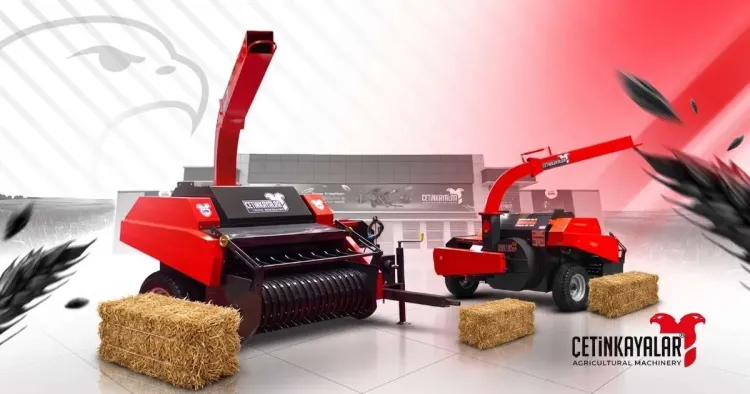
NCK-04 Automatic Pickup: The Thresher Farm Equipment That Eliminates Labor
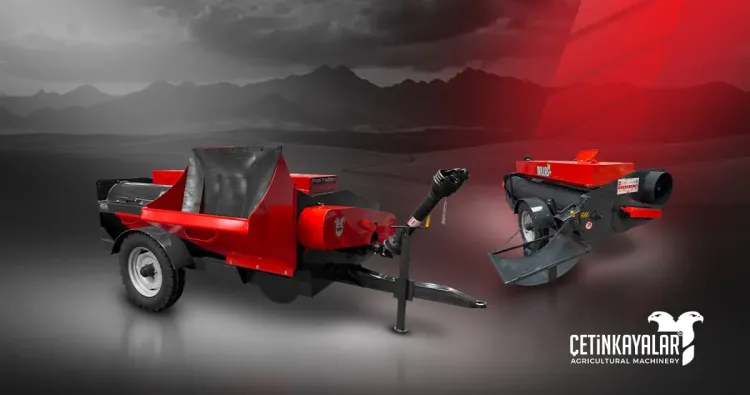
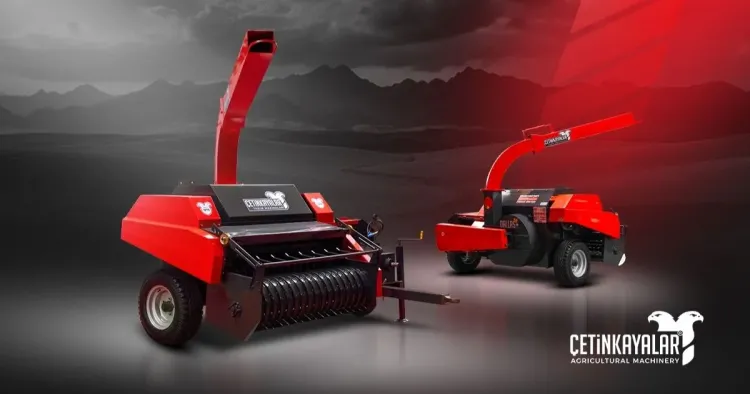
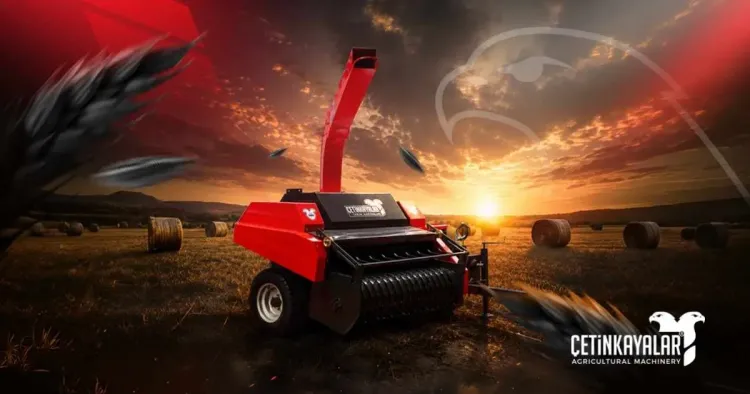
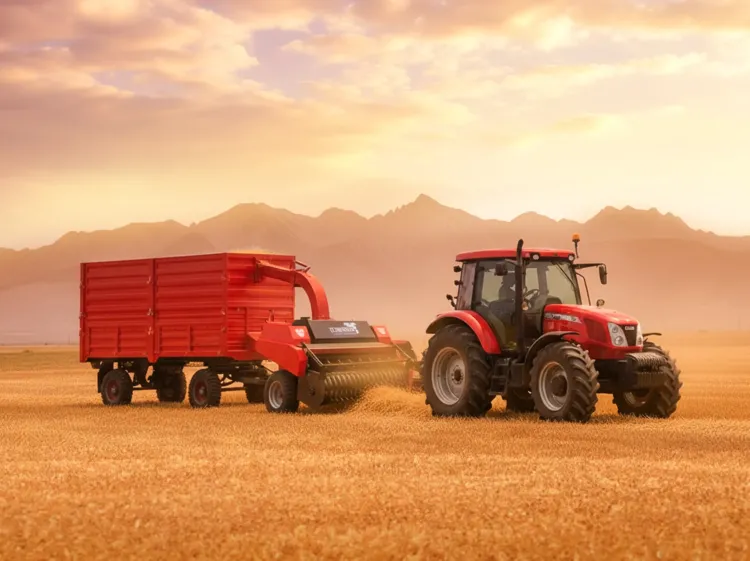
The NCK-04 is the highest-automation thresher farm equipment in the Cetinkayalar range. It automatically picks up pre-cut windrowed crops from the ground via its pickup mechanism, threshes, and fills its 1-ton hopper. The operator drives the tractor. The machine handles everything else.
When NCK-04 Outperforms
- Maize thresher machine operations on flat terrain — automatic pickup handles dense stalks with correct drum clearance.
- Post-combine harvester thresher workflow: crop is already cut and windrowed, NCK-04 completes the full cycle.
- Large flat fields where the 1-ton hopper significantly reduces transfer stops per day.
- Operations where harvest labor is expensive or difficult to source during peak season.
Side-by-Side: NCK-02 vs NCK-04
|
NCK-02 Hopper Threshing Machine |
NCK-04 Pickup Threshing Machine |
|
Hopper: 750 kg |
Hopper: 1,000 kg (1 ton) |
|
Crop: Standing or spread |
Crop: Pre-cut windrow required |
|
Feeding: Manual / tractor-pushed |
Feeding: Fully automatic pickup |
|
Best terrain: Small-medium, slopes OK |
Best terrain: Large, flat, stone-free |
|
Labor: Minimal |
Labor: Zero |
|
Crop flexibility: Wide (fast sieve change) |
Crop flexibility: Windrow prep required |
|
Wheat thresher: Yes |
Wheat thresher: Yes (windrowed) |
|
Maize thresher machine: Adaptable |
Maize thresher machine: Optimal (flat) |
|
Rice thresher machine: Adaptable |
Rice thresher machine: Adaptable |
|
Double elevator: Available |
Double elevator: Available |
⚠ MOST DEBATED TOPIC IN FARMING FORUMS
Does the Pickup Thresher Work on Sloped or Stony Ground?
This is the single most repeated question on agricultural threshing equipment forums across Turkey, Pakistan, Ethiopia, and Sudan. The core complaint is consistent: the pickup mechanism works perfectly on flat ground, but on stony or mildly sloped terrain the pickup fingers hit rocks and bend.
This is technically accurate. The pickup mechanism uses flexible spring-steel fingers that follow ground contours. On irregular, rocky, or hard-obstruction terrain, these fingers can deform on contact. The practical solutions: calibrate ground clearance height before each season, raise pickup height in rocky sections, or choose the NCK-02 for terrain where ground contact risk is high.
Cetinkayalar performs a terrain profile assessment for every NCK-04 purchase and configures the pickup height adjustment range accordingly. Buyers who skip this step account for the majority of terrain-related complaints seen in market discussions. The small threshing machine and NCK-02 categories receive far fewer terrain complaints precisely because their feeding method does not rely on ground contact mechanics.
3 Questions That Determine Your Model
- Does a combine or mower pre-cut your crop into windrows? → Yes: NCK-04. No: NCK-02.
- Is your field over 125 acres and flat? → Yes: NCK-04 delivers ROI. Fragmented or uneven: NCK-02.
- Is harvest labor expensive or hard to find in your region? → Yes: NCK-04 eliminates this variable.
If two or more answers are unclear, Cetinkayalar's sales team provides a free field evaluation before any purchase decision.
FAQ — Frequently Asked Questions
1. How do I configure a wheat thresher machine for pulse crops like chickpeas?
Converting a wheat thresher machine to chickpea configuration requires a larger-aperture sieve, reduced drum speed to prevent pod cracking, and adjusted concave clearance. This changeover takes 30-45 minutes on both NCK-02 and NCK-04. Cetinkayalar supplies crop-specific sieve kits for all major pulse and legume types.
2. Can the same threshing machine handle rice, maize, and millet?
Yes, with configuration changes. Rice thresher machine setup: reduce drum speed and tighten sieve mesh. Maize thresher machine setup: widen drum clearance and use coarser sieve. Millet threshing machine setup: fine mesh and lowest drum speed. Cetinkayalar provides written configuration sheets for each crop type on request.
3. What threshing equipment is available for export bulk orders?
Cetinkayalar ships threshing equipment internationally with export documentation, multilingual manuals, and region-specific spare parts packaging. Buyers looking for corn threshing machine for sale in volume should contact the export sales team directly — volume pricing and after-sales terms are handled separately from domestic catalog pricing.
People Also Ask (PAA)
What is the difference between a tractor thresher and a harvester thresher?
A tractor thresher is PTO-powered and requires a separate tractor — it only threshes pre-cut crop. A harvester thresher is self-propelled and cuts and threshes in one pass. Tractor threshers cost a fraction of the price and allow crop-type switching that self-propelled harvester threshers cannot match economically for small and medium operations.
How does a farm thresher compare to a combine harvester for small farms?
A farm thresher delivers a lower cost-per-ton of harvested grain than a combine on farms that cannot sustain the combine's capital and running costs. It also allows staged harvesting by crop type, reducing over-ripening losses. For most small and medium farms worldwide, a farm thresher is the financially correct choice.
What is the correct PTO speed for a threshing machine?
The standard PTO speed for all Cetinkayalar threshing machines is 540 rpm, compatible with all major tractor brands. Operating at incorrect PTO speed is the most common cause of grain cracking and premature bearing failure. Verify tractor PTO output before connecting any model.
What thresher farm equipment is best for African and Middle Eastern field conditions?
The NCK-02 is the most widely deployed Cetinkayalar thresher farm equipment in Africa and the Middle East. Its terrain flexibility, fast sieve changeover for diverse local crops, and low sensitivity to irregular ground make it the dominant choice. The NCK-04 is preferred in the flat, large-scale farming regions of Central Asia. Both models are rated for high-temperature, high-dust operating environments.