
What Should You Consider When Choosing Agricultural Machinery?
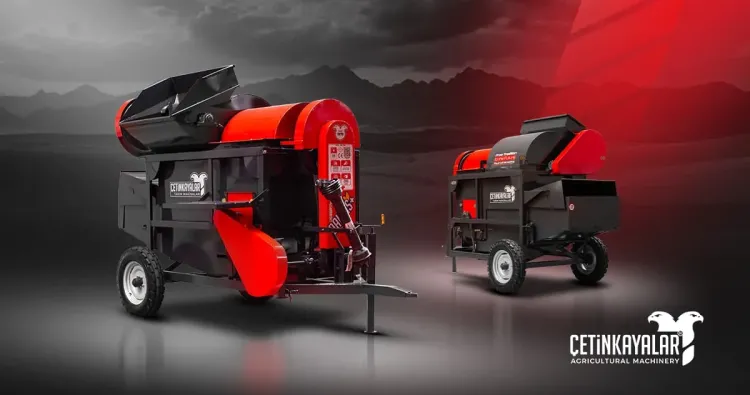
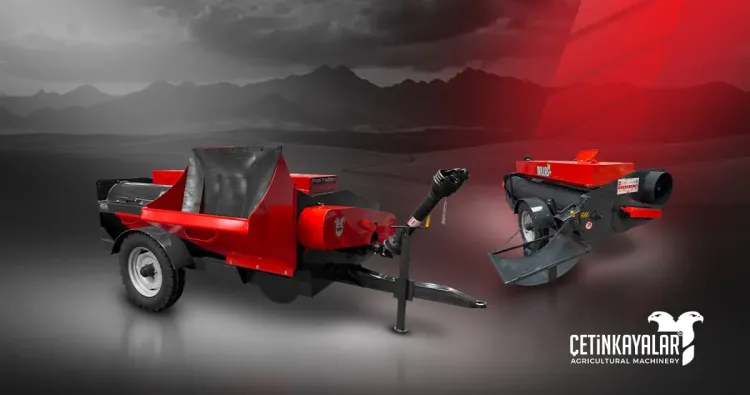
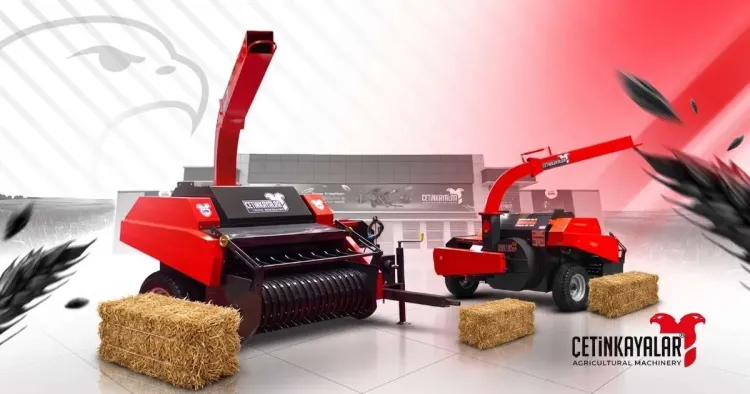
Agricultural machinery is used to reduce manual labor in production processes and help carry out different agricultural operations in a more organized manner. However, choosing the right machine requires more than simply considering its price. Intended use, product type, capacity, tractor compatibility, and technical specifications should all be evaluated together. Especially when choosing threshing machines, straw machines, and threshers, it is important to select a model that meets your specific needs.
What Should Be Considered When Choosing Agricultural Machinery?
Before purchasing a machine, the first step is to determine which operation it will be used for. Different types of agricultural machinery have been developed for various operations such as threshing, straw processing, and crop collection.
Therefore, the intended use of the machine should be considered alongside its technical specifications. Choosing the right machine helps ensure that its operating capacity matches your requirements.
Key Criteria When Choosing a Machine
-
Intended use
-
Type of crop to be processed
-
Operating capacity
-
Tractor and power compatibility
-
Machine dimensions
-
Operating system
-
Maintenance and service requirements
-
Spare parts availability
-
Machine price
How to Choose a Machine According to Its Intended Use?
The same machine cannot be used for every agricultural operation. For example, threshing machines can be considered for threshing grain crops, while straw machine models can be evaluated for operations involving straw processing and transportation.
Similarly, a thresher can be preferred for operations where grains need to be separated from stalks and other plant material. Clearly identifying the intended use of the machine can also help prevent the purchase of equipment with unnecessary features.
Machine Groups According to Different Needs
-
Threshing machines for threshing operations
-
Straw machines for straw processing
-
Threshers for threshing and crop separation
-
Different agricultural equipment for crop collection and transportation
-
Different model options according to processing capacity
What Should You Consider When Choosing a Threshing Machine?
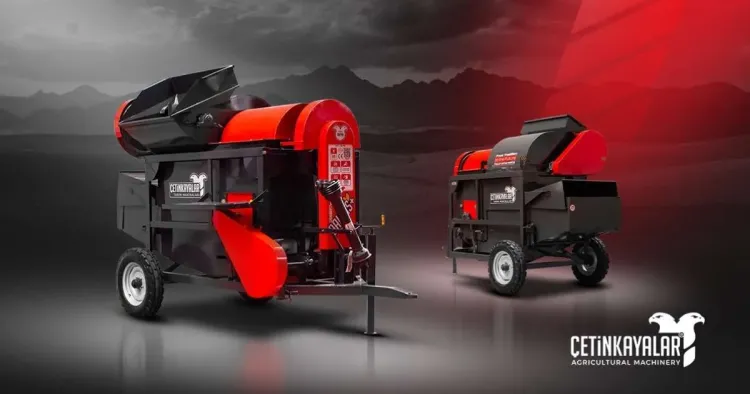
When choosing a threshing machine, the type of crop to be processed and the required daily operating capacity should be evaluated first. The operating system of a machine used for processing wheat, barley, lentils, and similar crops should be suitable for the intended application.
Before purchasing a threshing machine, its capacity, tractor compatibility, technical equipment, and intended use should be examined. The machine's maintenance requirements and service support are also important for long-term use.
Features to Check When Choosing a Threshing Machine
-
Compatibility with the crop type
-
Hourly operating capacity
-
Compatibility with tractor power
-
Threshing system
-
Machine durability
-
Ease of maintenance
-
Spare parts and service availability
What Should You Consider When Choosing a Straw Machine?
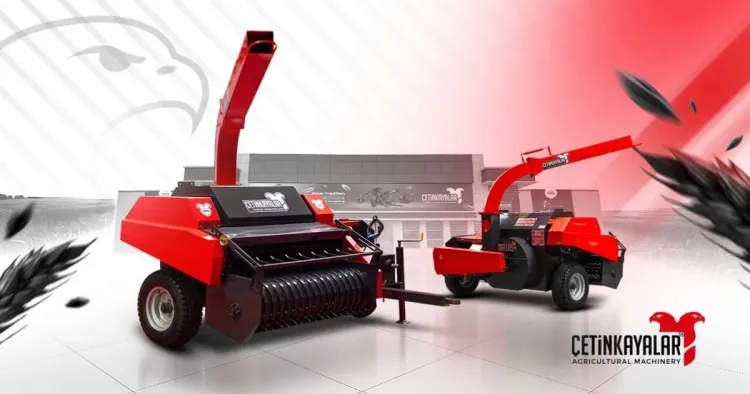
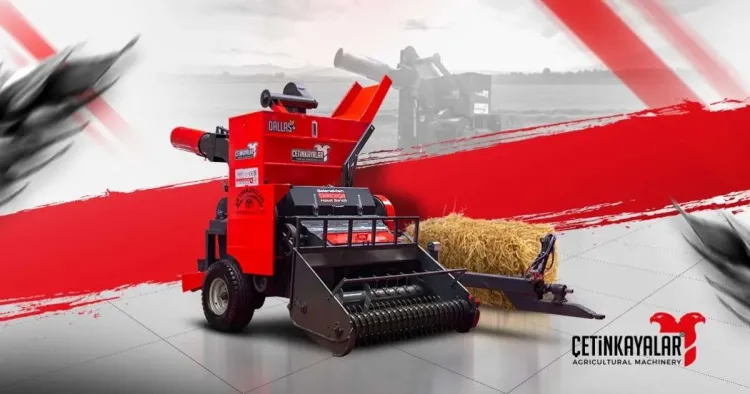
When choosing a straw machine, the area in which the machine will be used and the operation to be performed are important factors. Different models may be available for various requirements such as transporting, loading, compressing, or processing straw.
Therefore, when choosing a straw machine, you should consider not only its overall capacity but also the specific operation it is designed to perform. The workload of the operation and the specifications of the tractor should also be taken into account.
Important Factors When Choosing a Straw Machine
-
Intended use of the straw
-
Machine capacity
-
Operating system
-
Tractor compatibility
-
Area of use
-
Maintenance and service availability
-
Spare parts support
-
Straw machine prices
What Should You Consider When Choosing a Thresher?
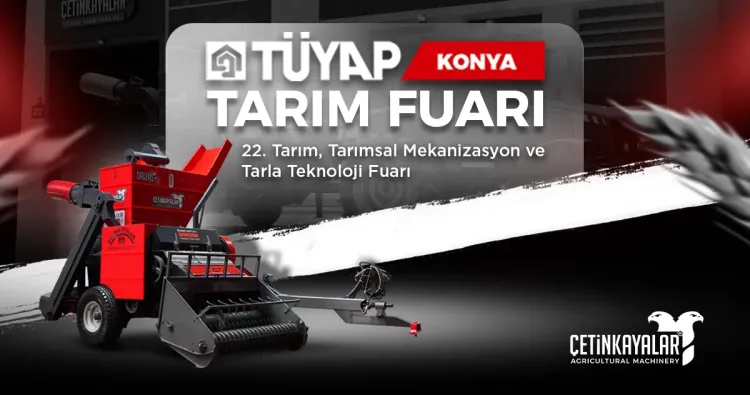
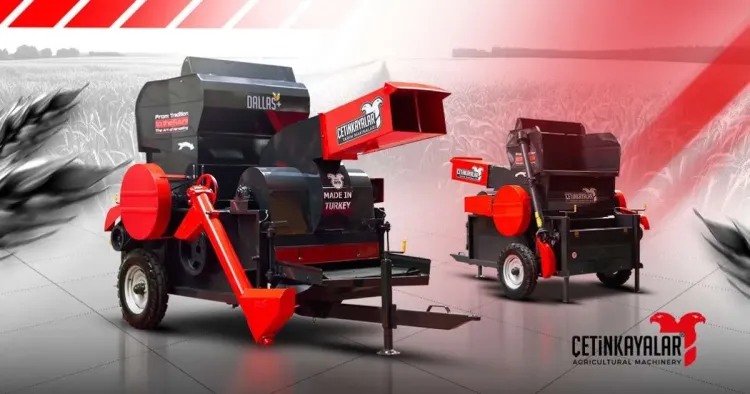
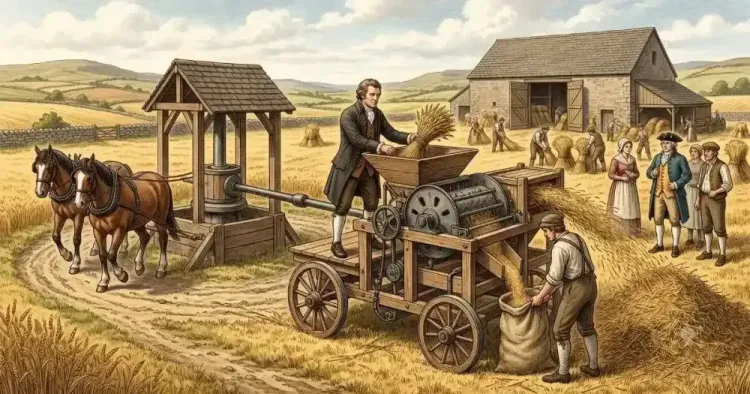
A thresher is mainly used after harvesting to thresh crops and separate grains from stalks and other plant material. Therefore, the type of crop to be processed and the capacity of the machine should be considered when making a selection.
When comparing thresher prices, the machine's technical specifications, operating system, and intended use should also be examined. A more expensive model may not be necessary for every application; the important factor is whether the machine provides the features required for the intended use.
What to Check When Choosing a Thresher
-
Type of crop to be processed
-
Machine operating capacity
-
Tractor compatibility
-
Collection and threshing system
-
Area of use
-
Maintenance requirements
-
Spare parts availability
-
Thresher prices
How Should Agricultural Machinery Prices Be Evaluated?
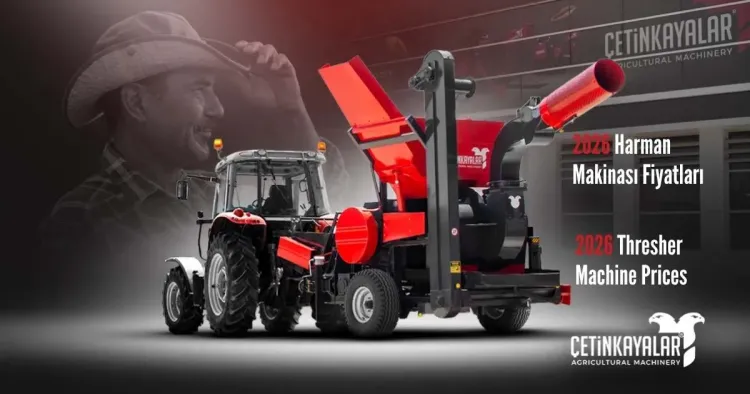
Although price is an important factor when choosing machinery, it should not be the only basis for making a decision. Threshing machine prices may vary depending on the model's capacity, technical specifications, and equipment. Similarly, straw machine prices may differ according to the machine's intended use and features.
Likewise, when evaluating thresher prices, the machine's capacity, operating system, and long-term usage requirements should be considered. In addition to price, the practical benefits offered by the machine should also be evaluated.
When Comparing Prices
-
Compare technical specifications.
-
Examine capacity values.
-
Check tractor compatibility.
-
Research service and spare parts support.
-
Make sure the machine is suitable for your intended use.
-
Consider maintenance costs in addition to the purchase price.
Why Are Technical Specifications Important When Choosing Çetinkaya Agricultural Machinery?
When researching Çetinkaya agricultural machinery, the agricultural operation for which the machine will be used and its suitability for the working conditions should be evaluated first. Since threshing and straw machines may be available with different capacities and operating systems, it is important to clearly determine your requirements before making a selection.
Especially for businesses with intensive workloads, machine capacity, durability, and service availability should be evaluated together. This makes it easier to select a suitable model from among different agricultural machinery options.
Why Is Tractor Compatibility Important When Buying Agricultural Machinery?
Compatibility between the tractor and the machine is an important factor in the operating performance of agricultural machinery. The power required by the machine should be compatible with the power that the tractor can provide.
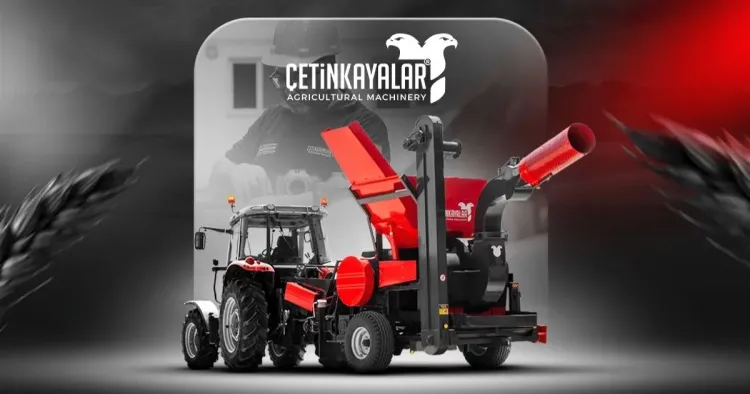
Especially for equipment used together with tractors, such as threshing machines, straw machines, and threshers, power requirements and connection specifications should be checked before purchase.
What Should Be Checked for Tractor Compatibility?
-
Tractor horsepower
-
PTO specifications
-
Machine power requirements
-
Connection system
-
Operating capacity
-
Existing tractor equipment
Why Are Service and Spare Parts Important When Choosing Agricultural Machinery?
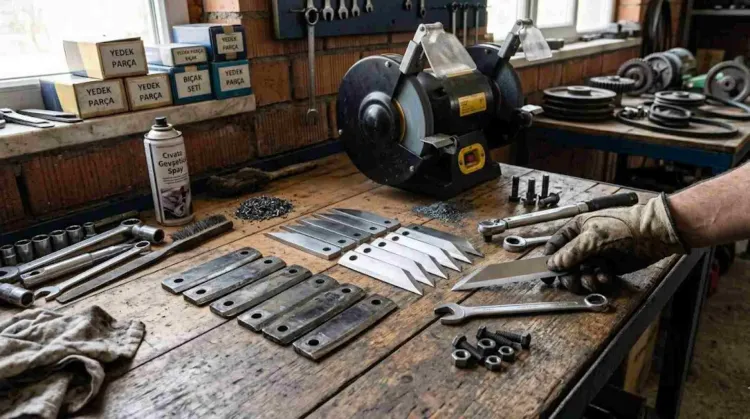
Service and maintenance requirements after purchasing a machine should also be considered during the selection process. Regular maintenance can help preserve the machine's operating system and support more consistent operation over time.
Therefore, when purchasing agricultural machinery, it is useful to obtain information about the service network, spare parts availability, and technical support options.
How to Choose the Right Agricultural Machine?
To choose the right machine, first determine the operation to be performed, the crop to be processed, and the required operating capacity. You can then compare tractor compatibility, technical specifications, maintenance requirements, and prices.
When researching threshing machine prices, straw machine prices, or thresher prices, you should consider how well the machine meets your requirements rather than focusing solely on the price tag. This approach can help you make a more informed choice among agricultural machinery suitable for your intended use.
Agricultural Machinery Selection in Brief
-
Determine your requirements.
-
Consider the crop to be processed.
-
Check the machine's capacity.
-
Examine tractor compatibility.
-
Compare technical specifications.
-
Research service and spare parts support.
-
Evaluate price and operating features together.