
How Does a Threshing Machine Work?
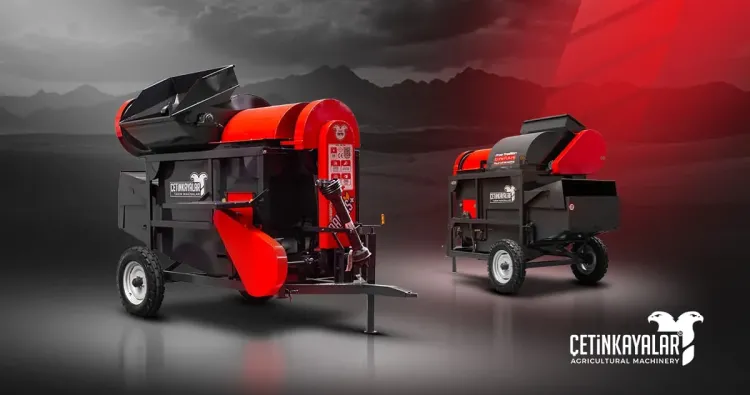
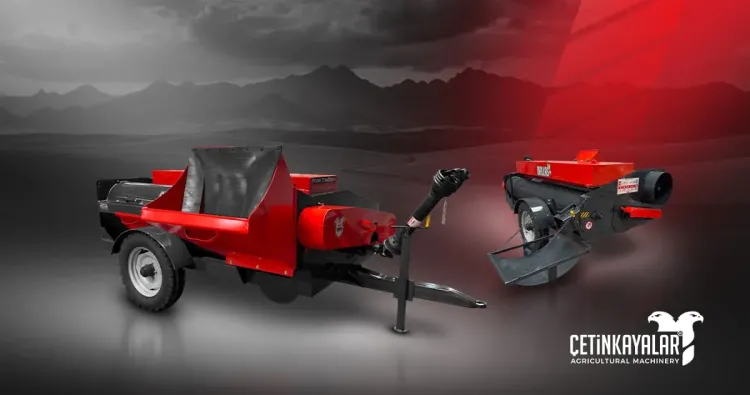
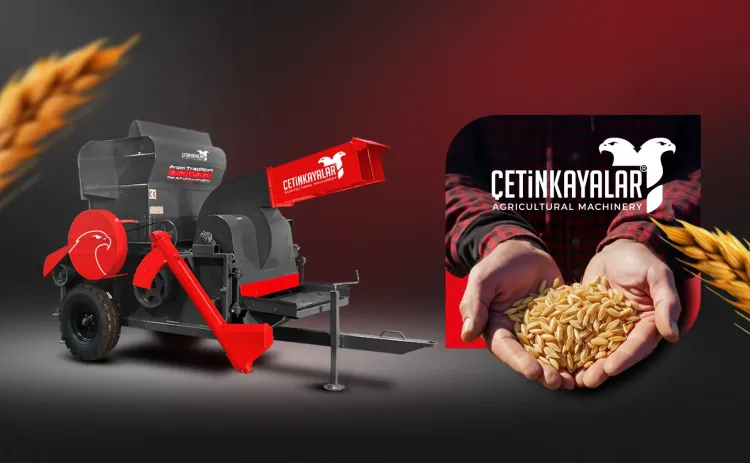
A threshing machine, or thresher, is an agricultural machine that separates grain from the stalks and husks of harvested crops. Instead of beating the crop by hand or having animals trample it, a threshing machine does the job mechanically in a fraction of the time. In this article, we explain how a threshing machine works, what its main parts are and how modern tractor-driven threshers are used today.
What does a threshing machine do?
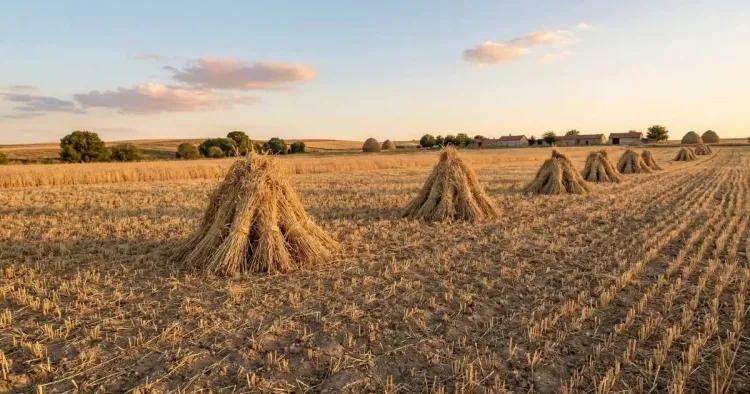
Threshing is the process of loosening the grain from the straw and chaff. A threshing machine carries out three tasks in one continuous flow: it beats the crop to release the grain, separates the grain from the straw and cleans the grain from chaff and dust.
Threshers are used for cereals such as wheat, barley, oats and rye, as well as for pulses like chickpeas, lentils and beans. With the right sieves and settings, the same machine can process several different crops.
Main functions of a thresher
-
Feeding the harvested crop into the machine
-
Beating the crop to release the grain
-
Separating the grain from the straw
-
Cleaning the grain with sieves and air flow
-
Delivering clean grain to sacks, an auger or a grain tank
-
Discharging the straw separately
How does a threshing machine work step by step?
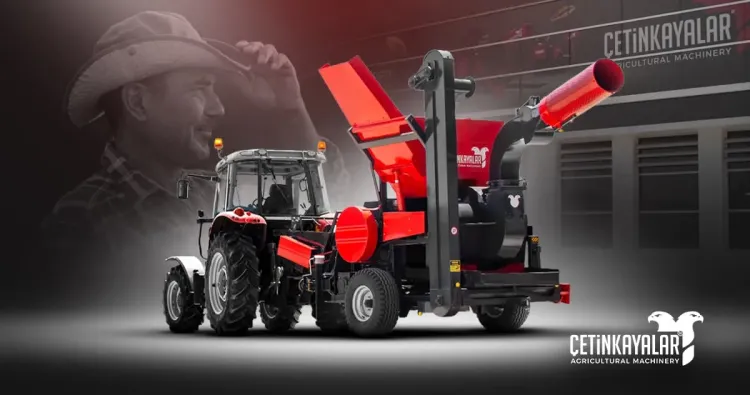
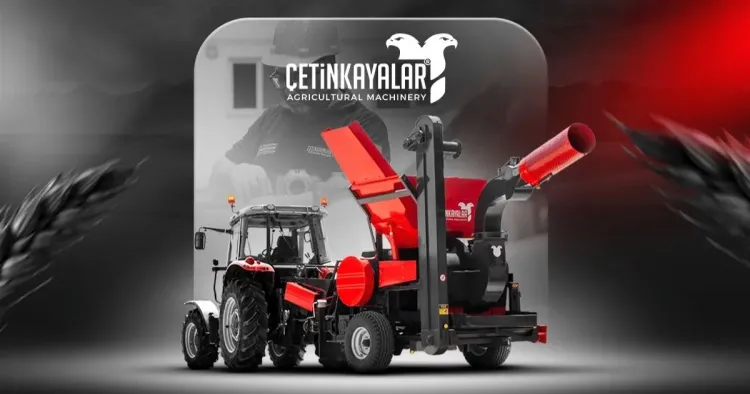
Most modern threshers draw their power from the tractor's power take-off (PTO) shaft. This power drives the threshing drum, the fan and the sieves at the same time. The working principle can be followed in a few simple steps.
The threshing process step by step
-
Feeding: The cut crop is fed into the machine by hand, with a fork or by an automatic pick-up unit.
-
Threshing: A fast-rotating drum fitted with beaters strikes the crop and knocks the grain loose.
-
Separation: The grain falls through the concave and sieves, while the long straw moves on.
-
Cleaning: A fan blows air through the falling grain and removes chaff and light particles.
-
Collection: Clean grain is sent to sacks or a grain tank by an air system, an auger or an elevator.
-
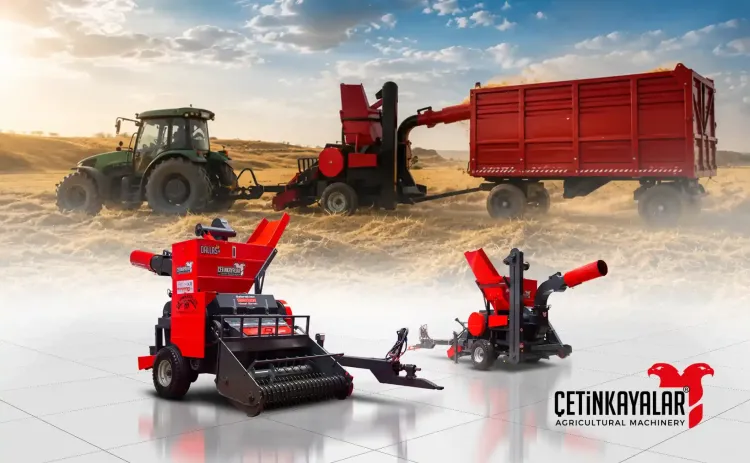
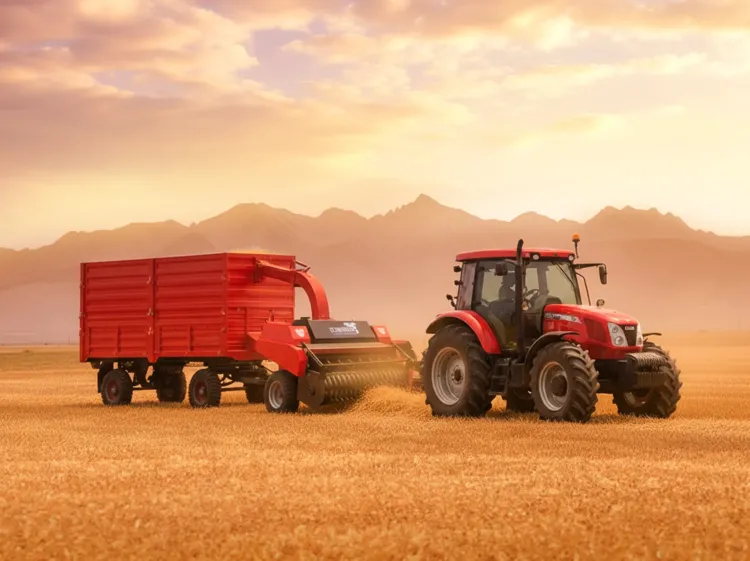
Straw output: The straw is chopped and blown out of the machine, often directly into a trailer.
Because all of these steps happen at once, a threshing machine can process large amounts of crop in a short time.
What are the main parts of a threshing machine?
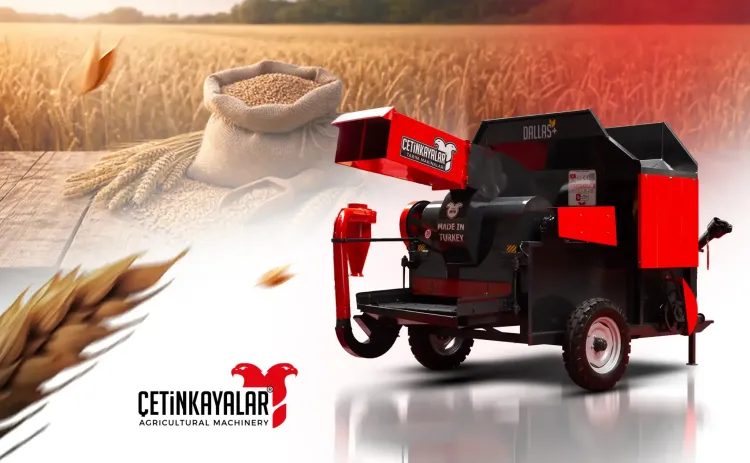
Every thresher is built around a threshing unit that consists of a drum and a concave. Around it, several systems work together to feed the crop, clean the grain and discharge the straw. The size and quality of these parts determine the machine's capacity and how clean the final grain will be.
Key components
-
Feeding table or hopper
-
Threshing drum with beaters
-
Concave and sieves
-
Cleaning fan
-
Grain outlet: sacking system, auger or grain tank
-
Straw outlet and blower
-
PTO shaft or gearbox for power transmission
Stationary and mobile threshers
A stationary thresher works in one place. The harvested crop is carried to the machine, which is usually set up at a threshing yard. This is the traditional way of threshing and is still common on small and medium-sized farms.
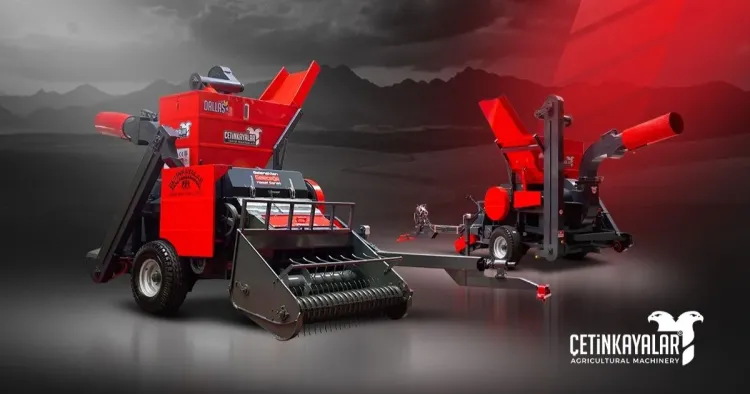
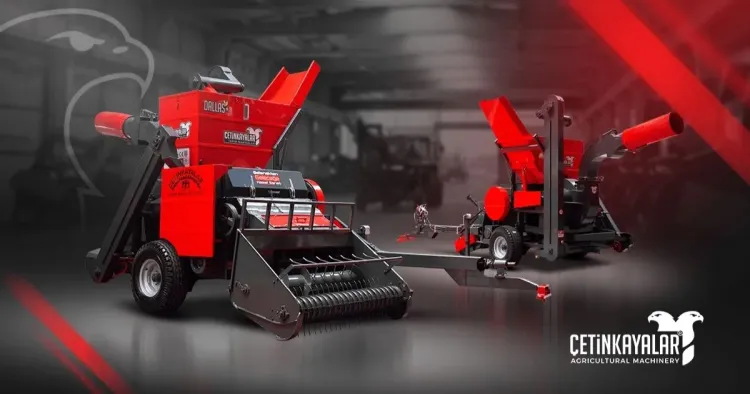
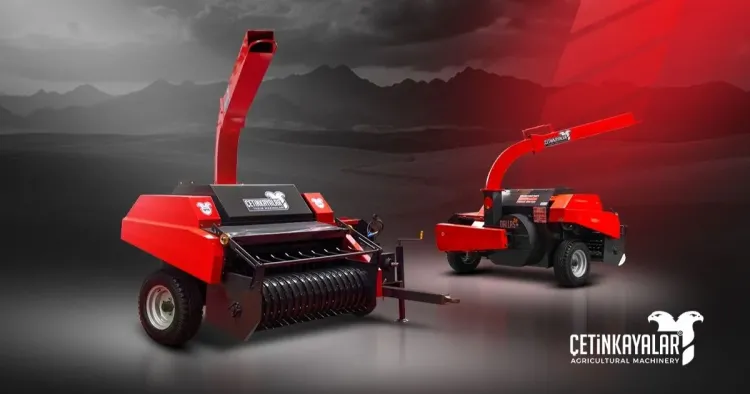
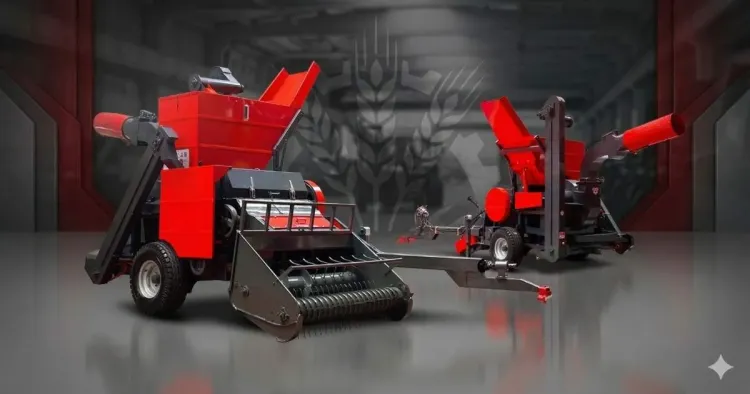
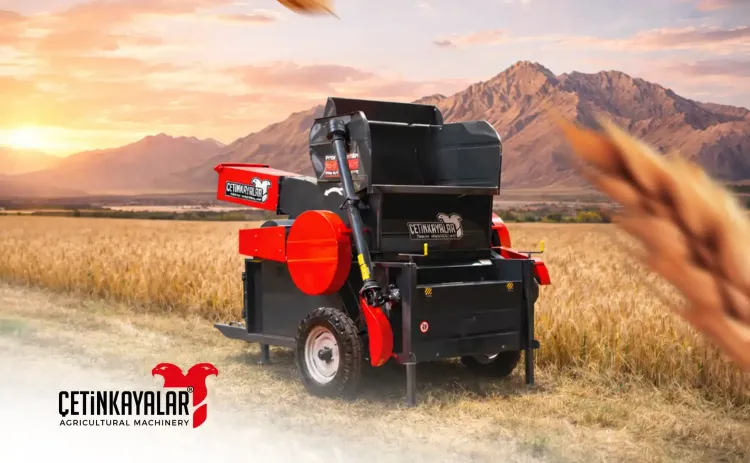
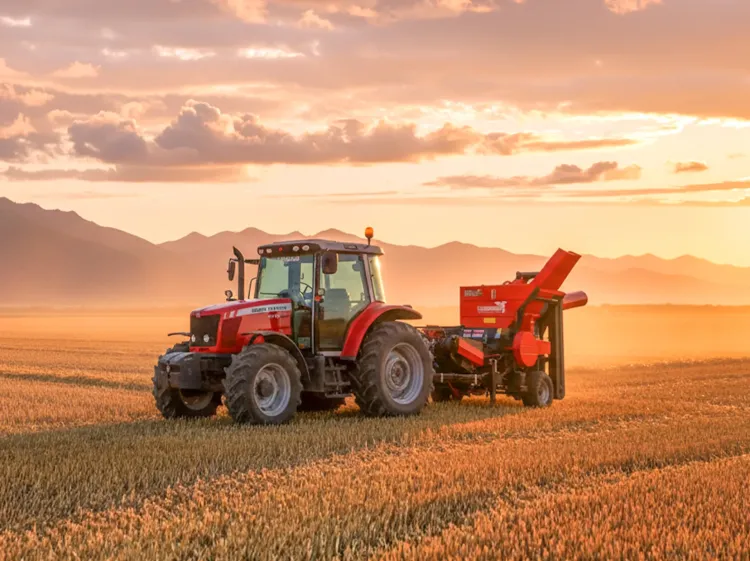
Mobile threshers, on the other hand, move across the field behind the tractor and thresh the crop where it lies. Some mobile models have a grain tank, while others use an automatic pick-up unit to collect the cut crop from the ground. This reduces transport and labour costs. You can read our detailed comparison of hopper threshers and automatic pick-up threshers.
Types of tractor-driven threshers
-
Stationary threshers with sacking or auger systems
-
Mobile threshers with grain tanks
-
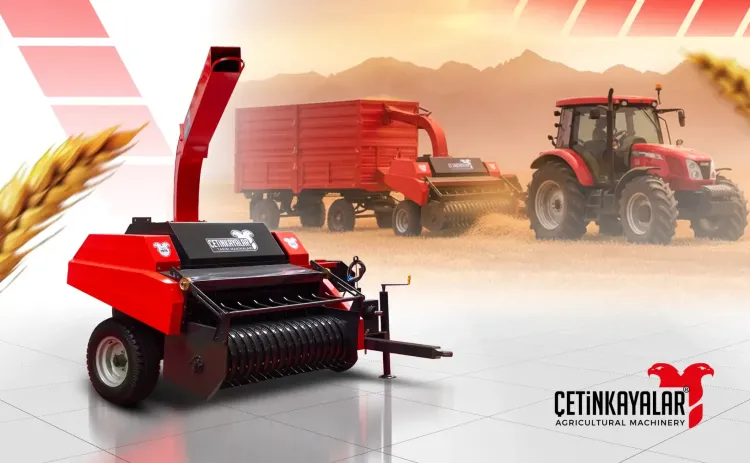
Pick-up threshers that collect the crop from the ground
-
Special threshers for crops such as peanuts or pumpkin seeds
Who invented the threshing machine?
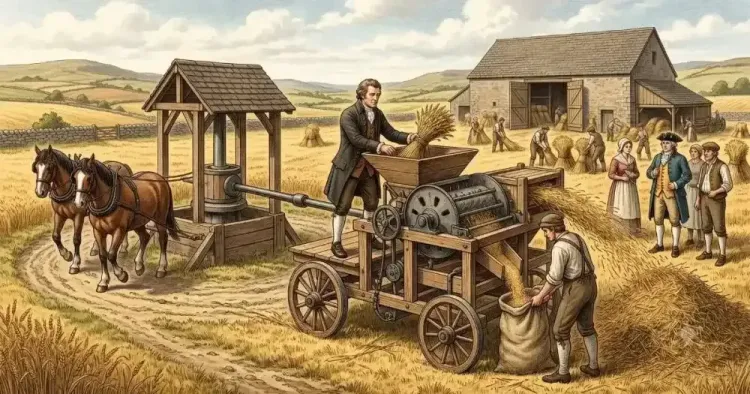
The threshing machine was invented by the Scottish millwright Andrew Meikle in the 1780s and patented in 1788. His design used a rotating drum to beat the grain from the straw, a principle that is still at the heart of modern threshers. Before this invention, threshing was done by hand with flails or by animals walking over the crop.
During the 19th century, threshing machines spread rapidly and were powered first by horses, then by steam engines. Today, most threshers are driven by tractors, and the combine harvester performs threshing as part of a single harvesting process.
Milestones in threshing machine history
-
Hand threshing with flails and animal trampling
-
Andrew Meikle's drum thresher in the 1780s
-
Horse-powered and steam-powered threshers in the 1800s
-
Tractor-driven threshers in the 20th century
-
Combine harvesters with built-in threshing units
Threshing machine or combine harvester?
A combine harvester cuts, threshes and cleans the crop in one pass and has its own engine. A threshing machine works with a tractor and processes crops that have already been cut. For small or sloping fields, for pulses and for farms that want to use their own tractor, a thresher is often the more practical and economical choice. Check the tractor horsepower requirements before choosing a model.
When is a thresher the better choice?
-
On small, fragmented or sloping fields
-
For pulses such as chickpeas, lentils and beans
-
When access to a combine harvester is limited
-
When the farmer also wants to produce straw for livestock
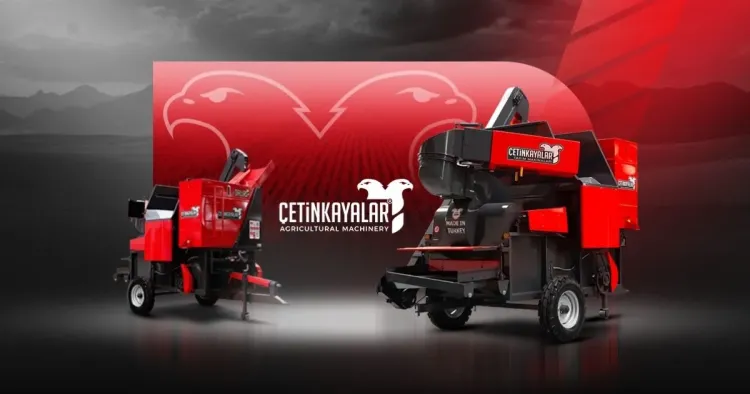
Çetinkayalar threshing machines
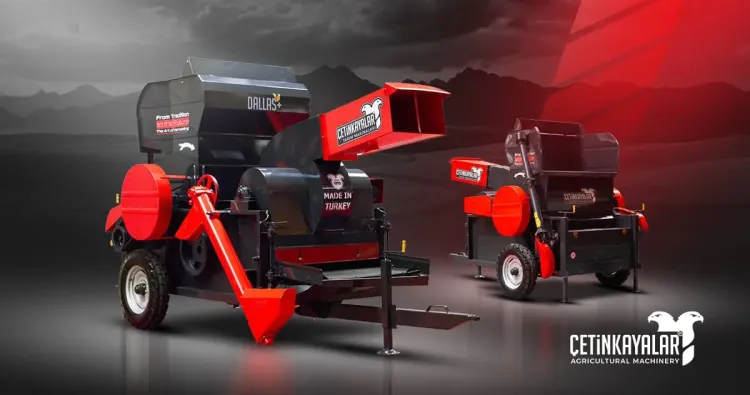
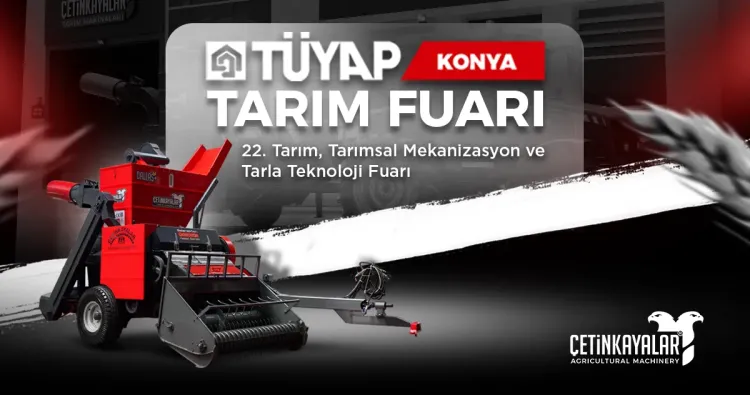
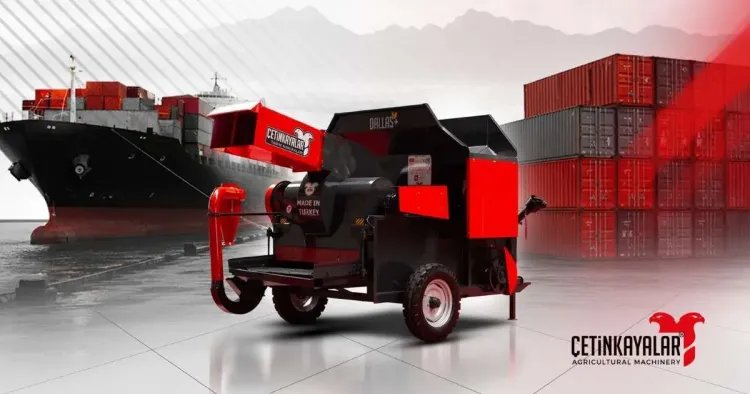
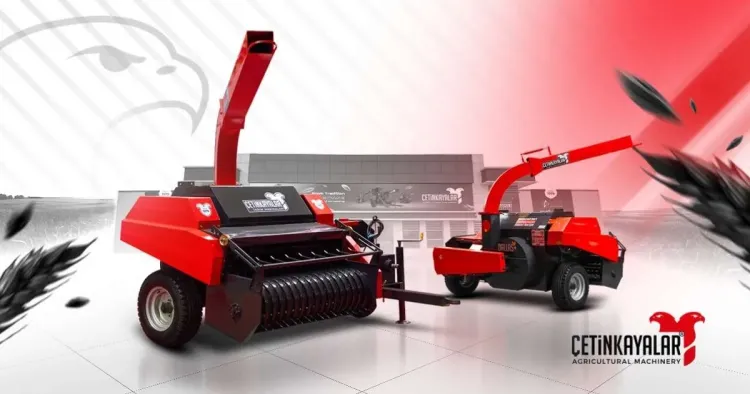
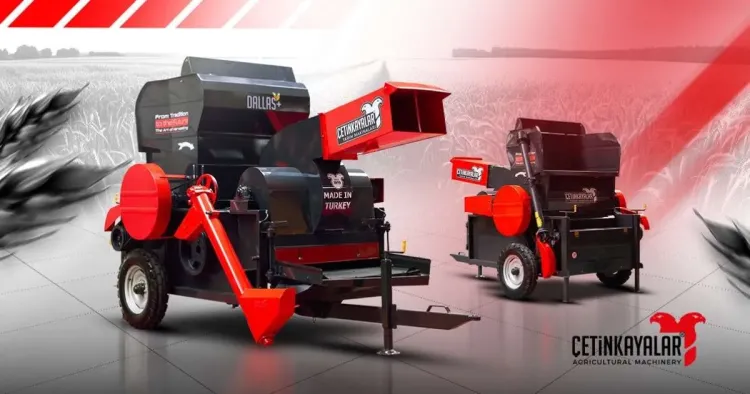
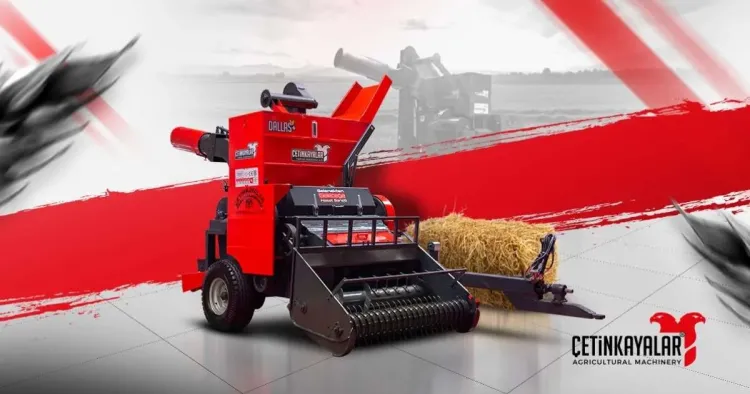
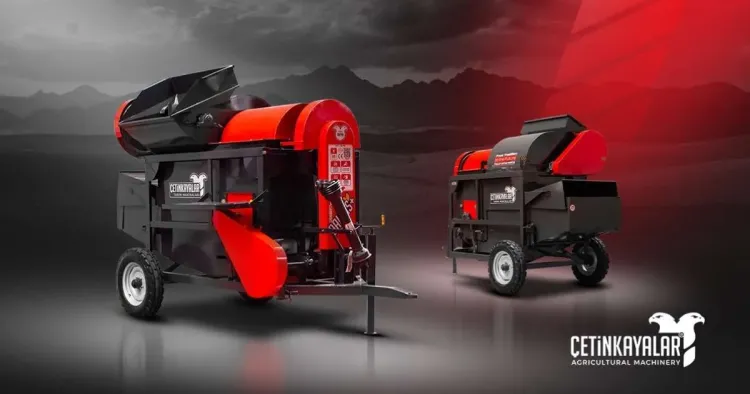
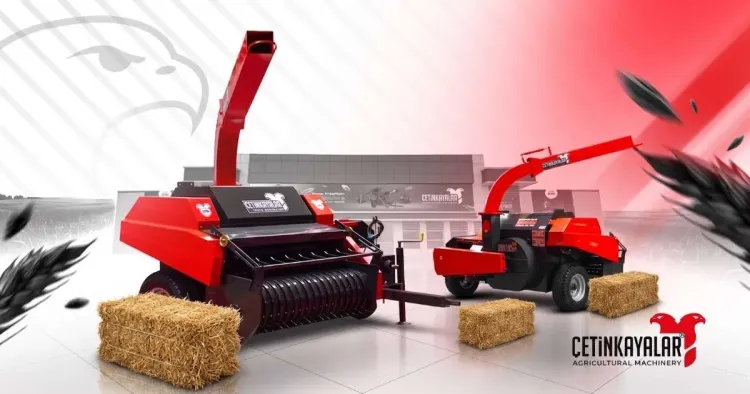
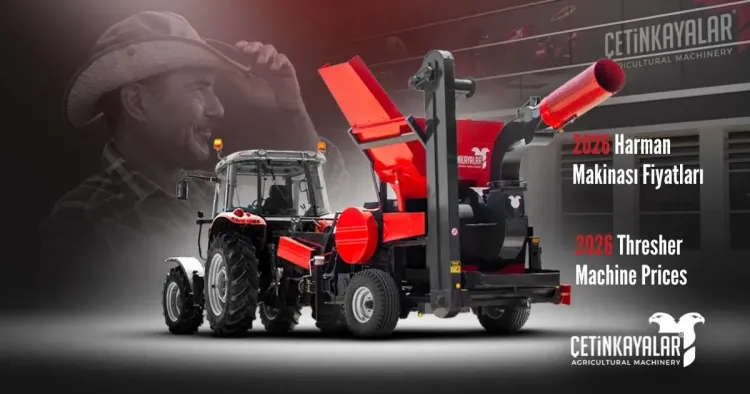
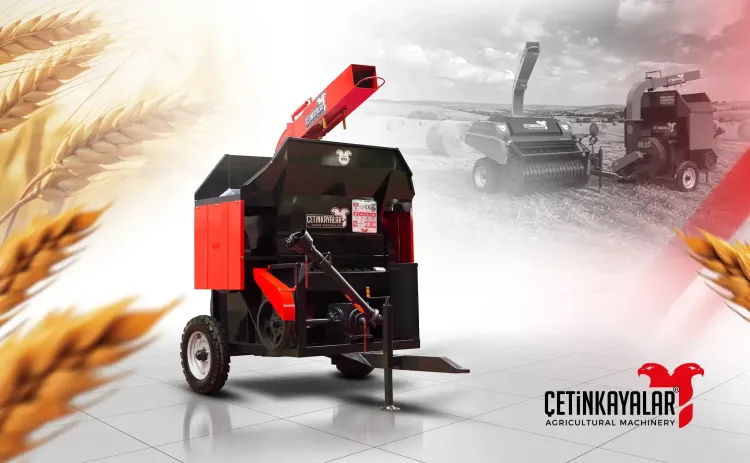
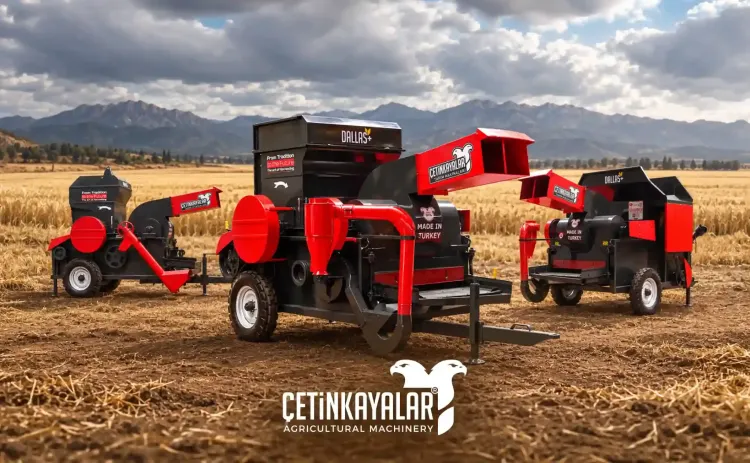
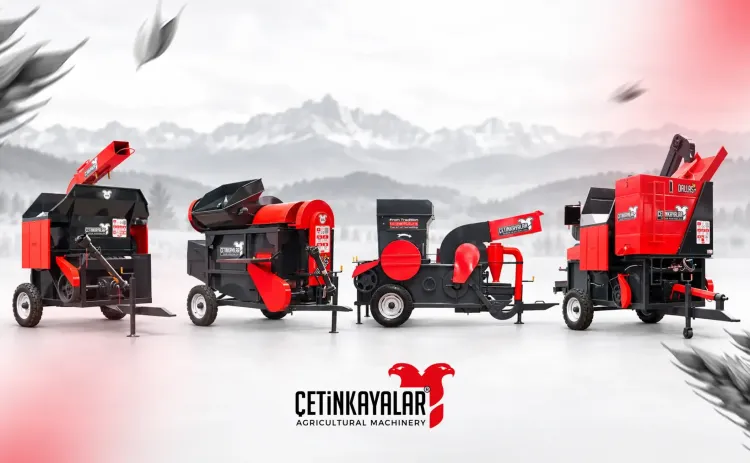
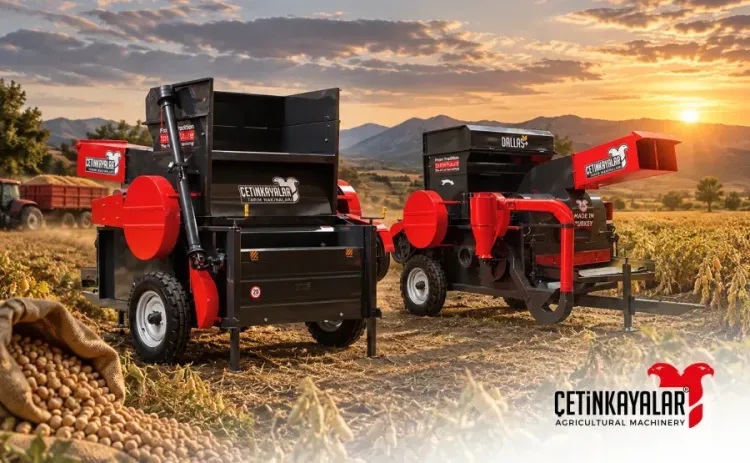
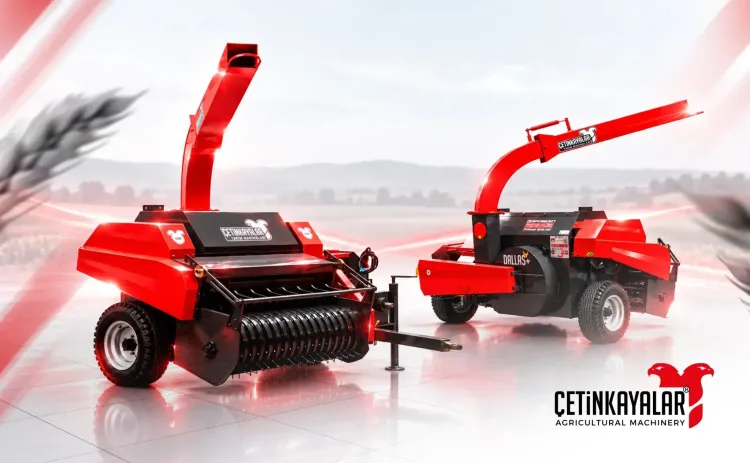
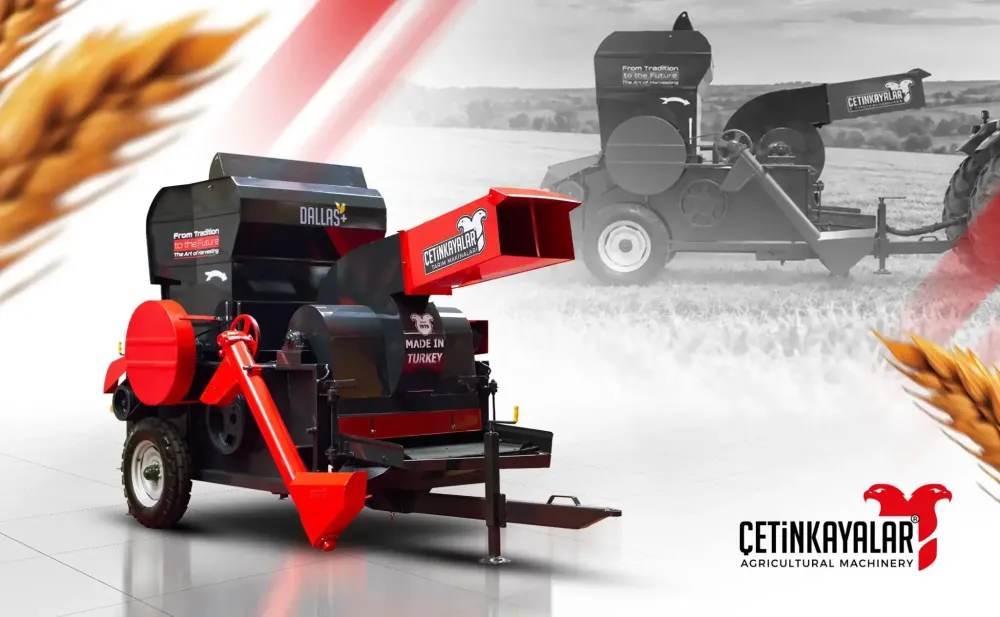
Çetinkayalar Tarım has been manufacturing threshing machines and straw chopper machines in Konya, Türkiye, since the 1970s. The range includes shaft-driven and gearbox-driven threshers with sacking systems, mobile threshers with grain tanks and pick-up threshers that collect the crop from the ground. Most models offer a capacity of 2,200 kg per hour and work with a 540 rpm PTO.
To find the right threshing machine for your crops and tractor, contact Çetinkayalar Tarım for detailed technical information.