
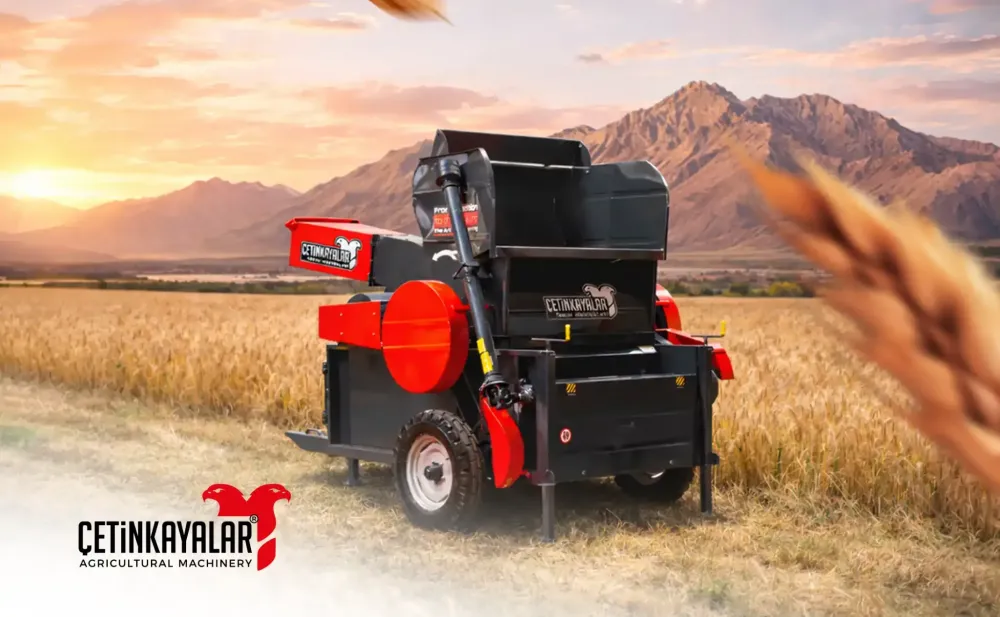
What Is a Thresher Machine?
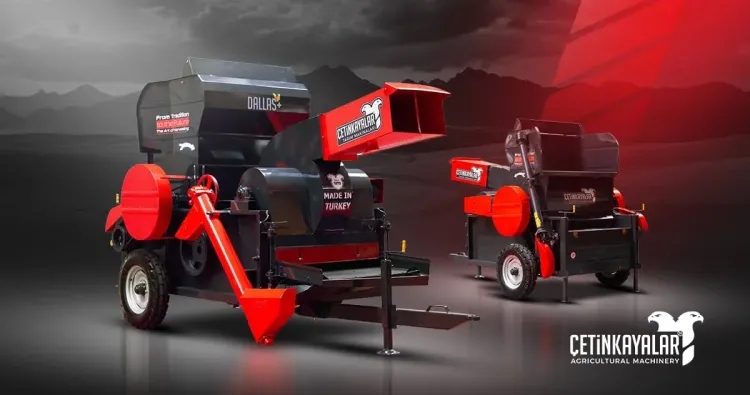
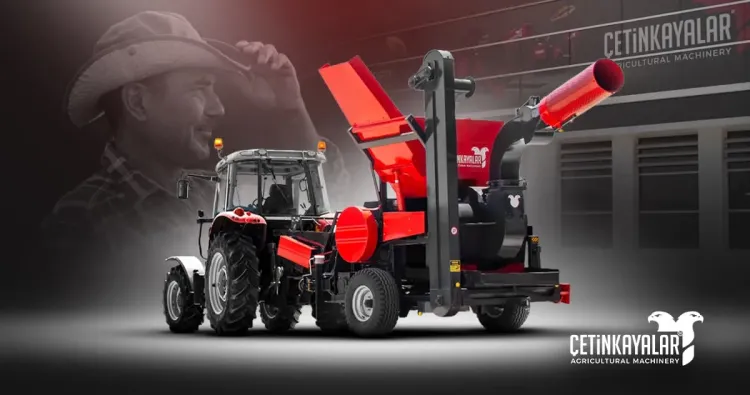
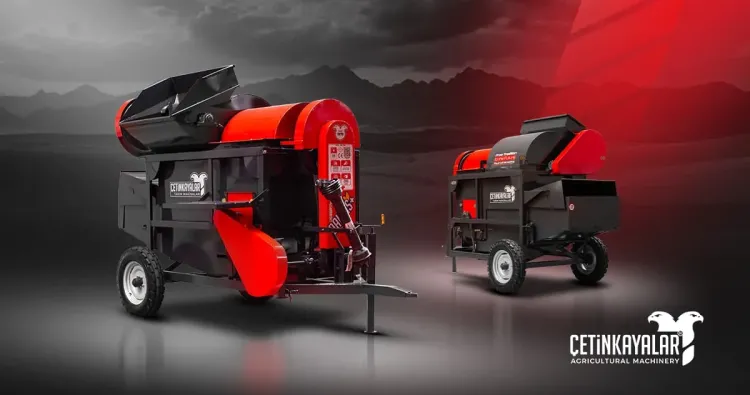
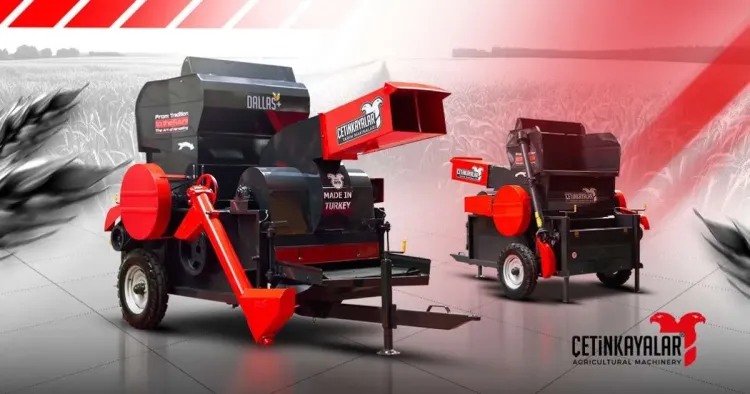
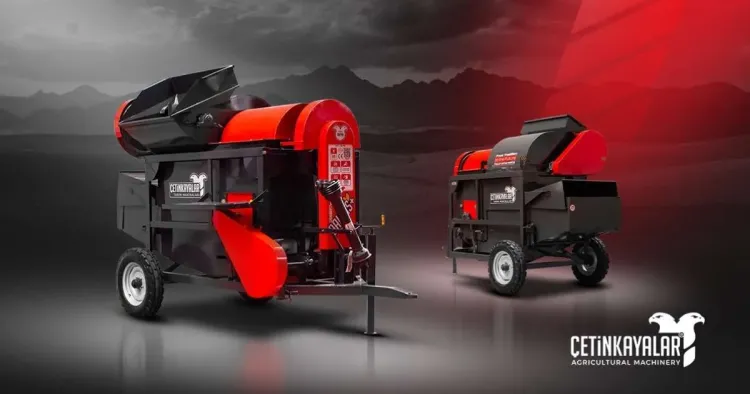
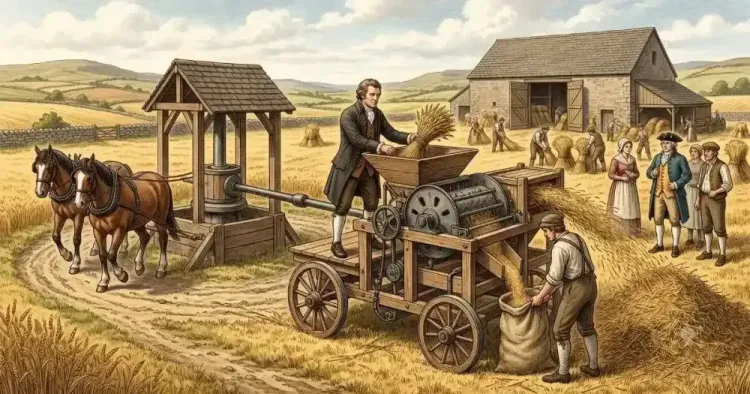
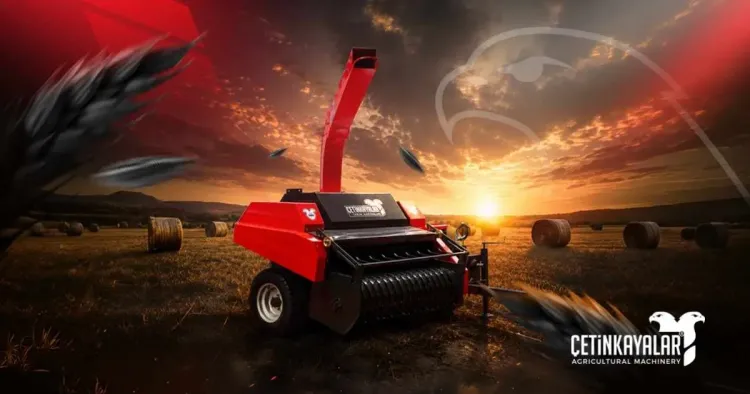
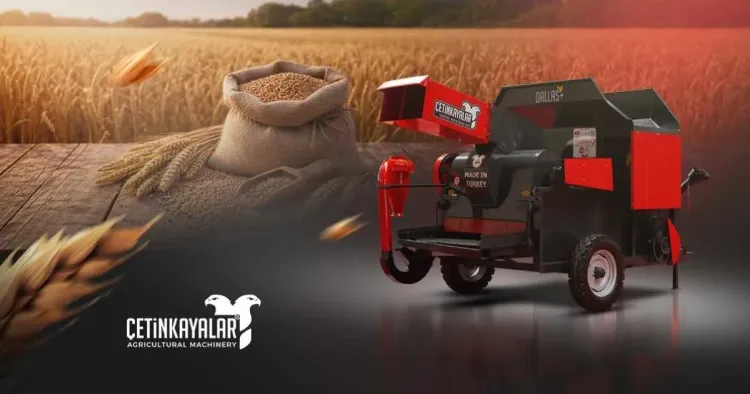
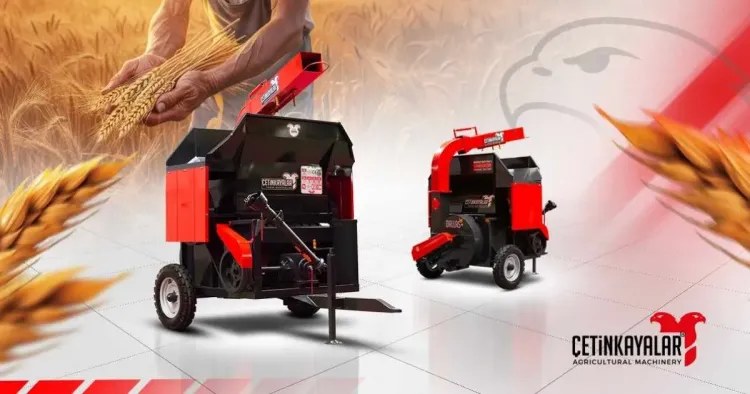
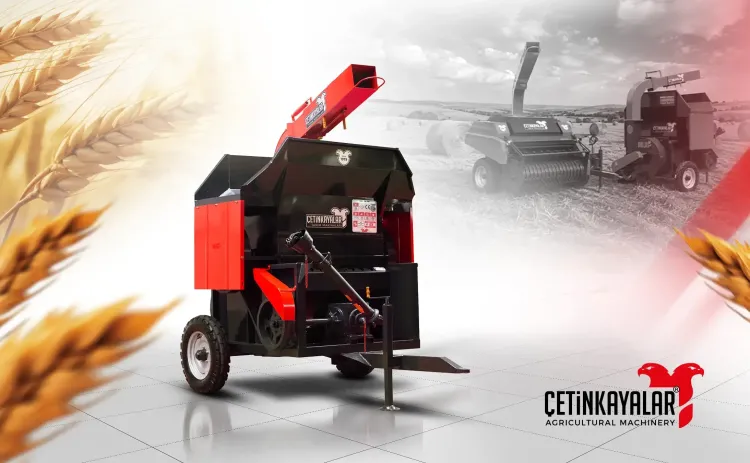
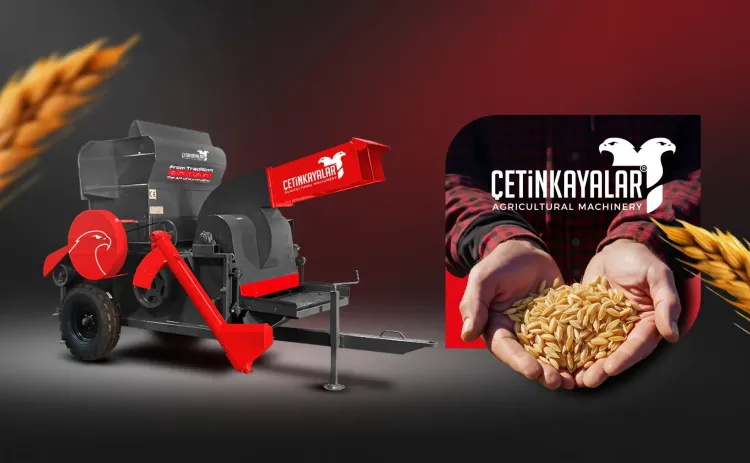
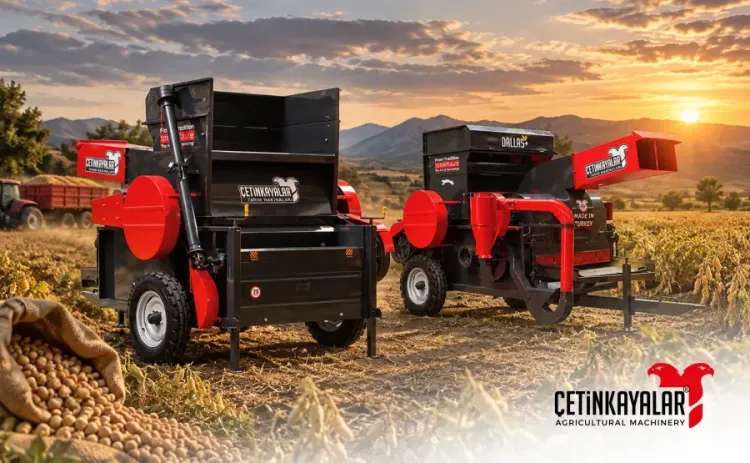
A thresher machine is a type of agricultural equipment used to separate grains from the stalks and straw of harvested crops. Commonly used for threshing crops such as wheat, barley, lentils, and chickpeas, a thresher machine is typically powered by the tractor's PTO (power take-off) shaft. This equipment plays an important role among agricultural machines by making the harvesting and threshing process easier and more efficient.
What Is a Thresher and What Does It Do?
The simplest answer to the question "What is a thresher?" is that it is a machine that threshes harvested crops and separates the grain from the stalks. Compared with traditional methods, it provides a faster and more organized threshing process.
What Crops Can a Thresher Machine Be Used For?
- Wheat
- Barley
- Oats
- Chickpeas
- Lentils
- Beans
- Vetch
- Cumin
Using the appropriate sieves and settings for each crop is important for efficient threshing with a thresher machine. In particular, wheat threshers are widely preferred in grain production.
How Does a Thresher Machine Work?
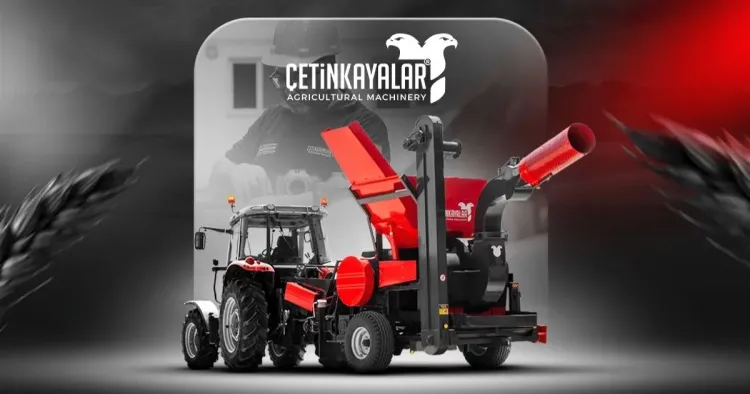
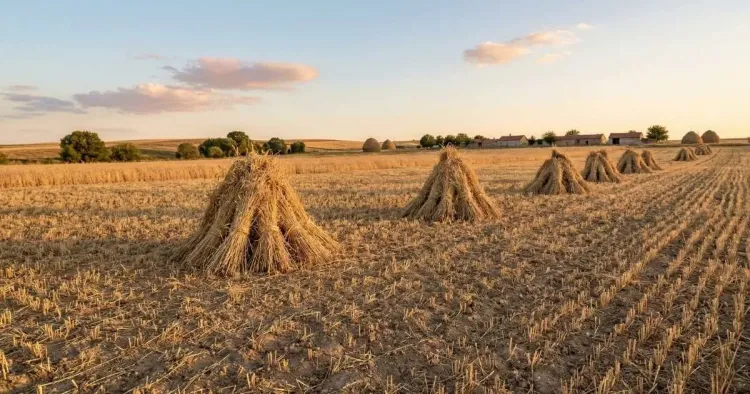
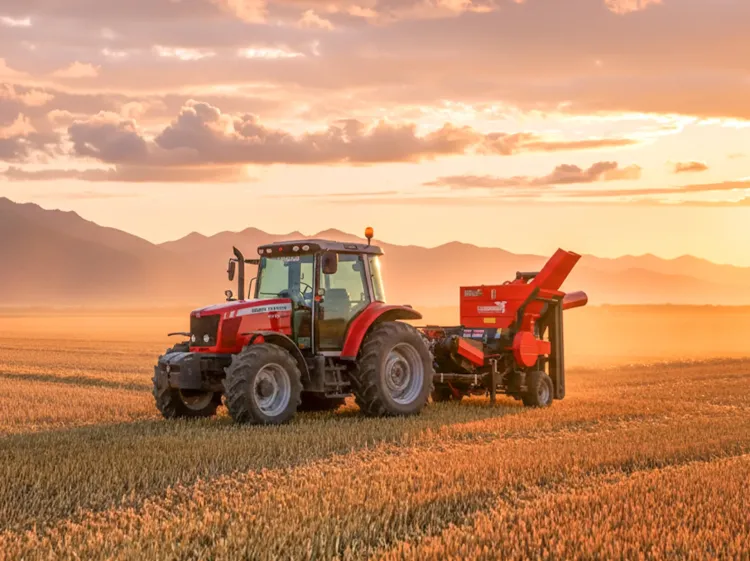
A thresher machine receives power from the tractor and transfers it to the threshing drum system. Crops that have previously been cut and arranged in windrows in the field are fed into the machine. The threshing drum beats the crop to separate the grains from the stalks.
During operation, the sieves, fan system, and product discharge section work together. This system separates the grain while directing stalks and straw to different discharge sections.
What Processes Does a Thresher Machine Perform?
- Feeds the crop into the machine.
- Threshes the crop using the drum system.
- Separates grains from the stalks.
- Cleans the grain using sieves.
- Transfers the grain into bags or a storage hopper.
- Discharges stalks and straw separately.
This operating system makes harvesting processes easier for producers when used together with other agricultural machinery.
What Is a Wheat Thresher?
A wheat thresher is a type of thresher specifically used to separate wheat grains from their stalks. The moisture level of the wheat, stalk structure, and harvesting conditions can affect the machine's performance.
When the appropriate sieve and threshing drum settings are used, a thresher machine can provide effective results when threshing wheat. Therefore, when selecting a wheat thresher, it is important to consider not only its capacity but also its compatibility with the crop.
What Should Be Considered When Choosing a Wheat Thresher?
- Hourly capacity
- Tractor compatibility
- Threshing drum design
- Sieve options
- Grain cleaning system
- Bagging or storage hopper options
- Service and spare parts support
Are a Straw Thresher and a Thresher Machine the Same?
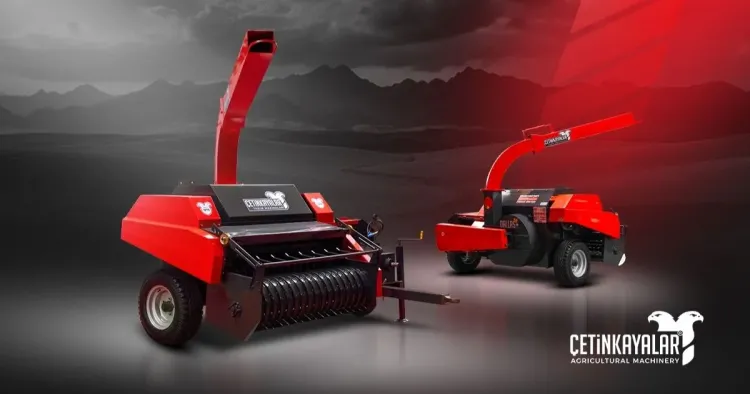
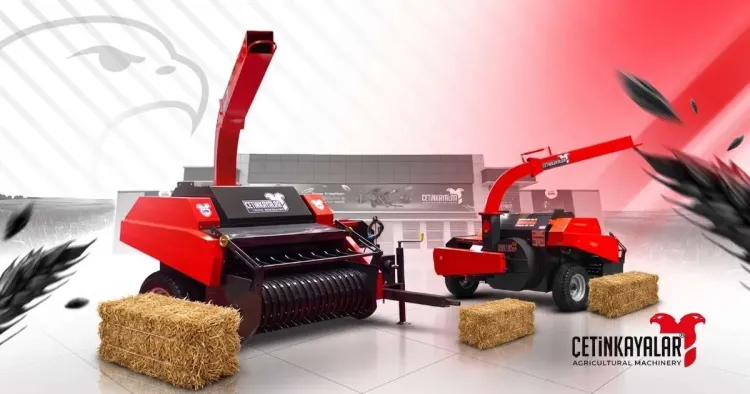
Although a straw thresher and a conventional thresher machine may have similar operating principles, their intended purposes differ. A thresher is primarily used to separate grains from harvested crops, while a straw thresher is used to process the stalks remaining after harvest.
For this reason, the appropriate thresher machine should be selected according to the intended application. A business that only needs to thresh grain will have different requirements from one that wants to produce straw for other uses.
What Does a Straw Thresher Do?
- Chops stalks.
- Helps produce straw.
- Processes post-harvest plant residues.
- Contributes to feed preparation on livestock farms.
- Makes it easier to utilize stalks remaining in the field.
What Is a Pick-Up Thresher?
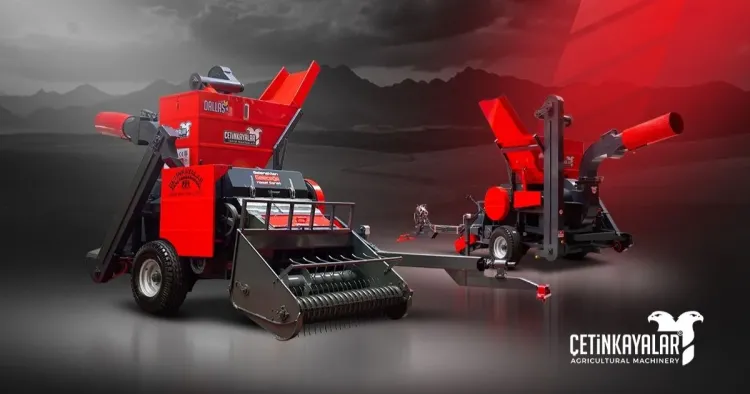
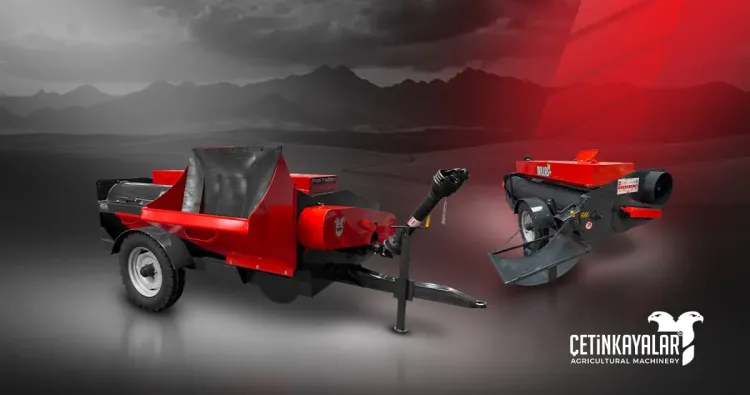
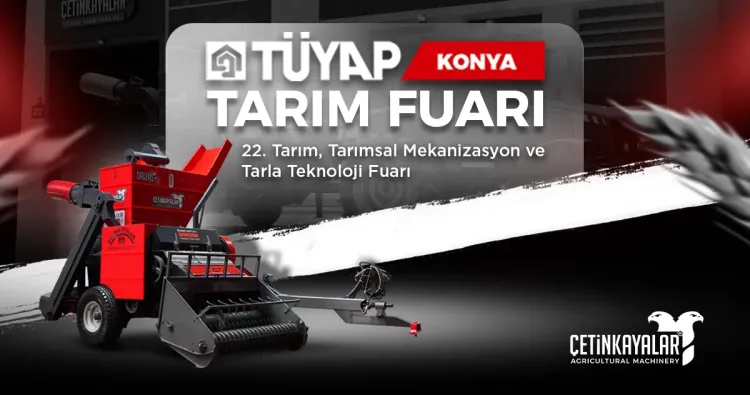
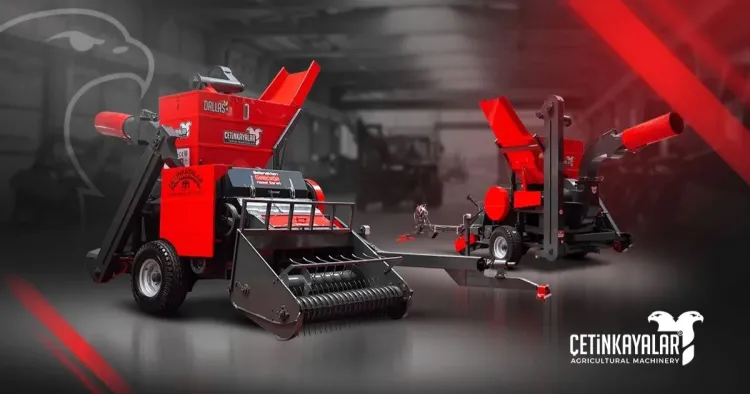
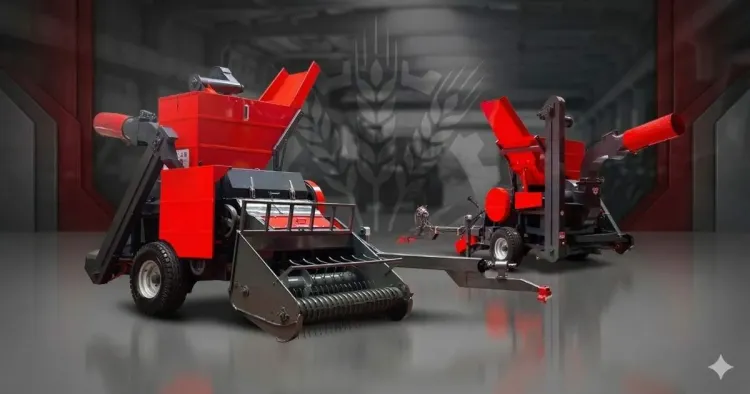
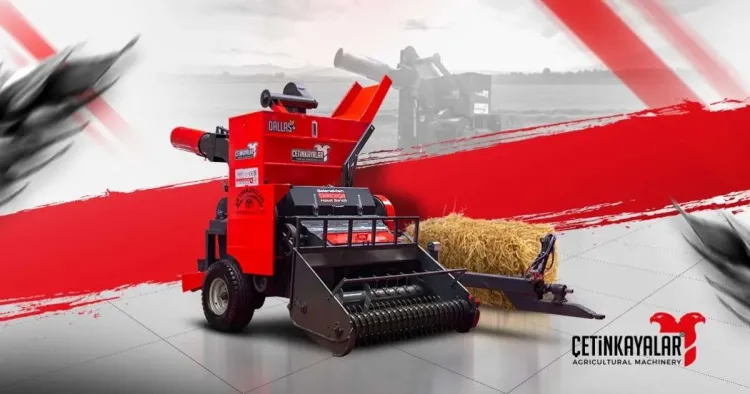
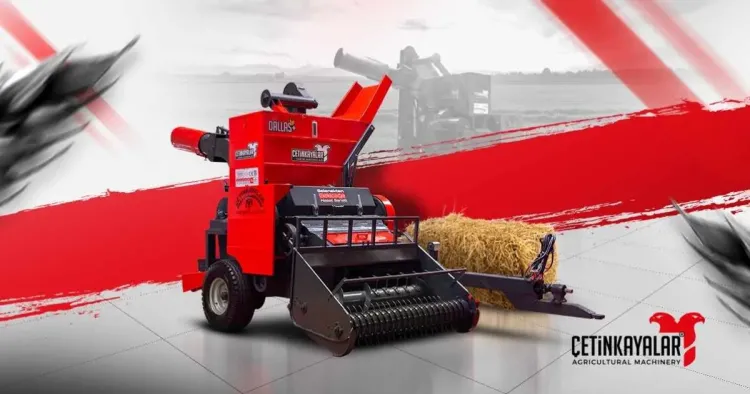
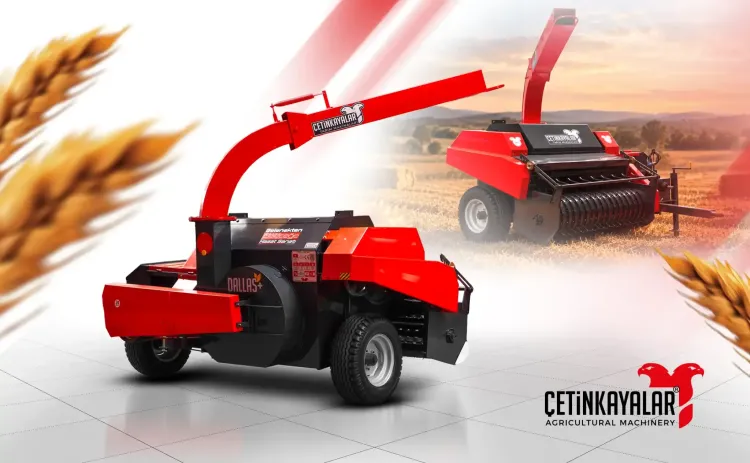
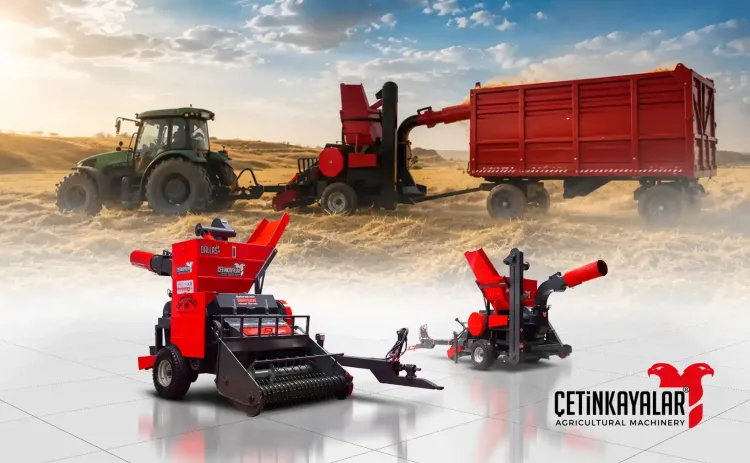
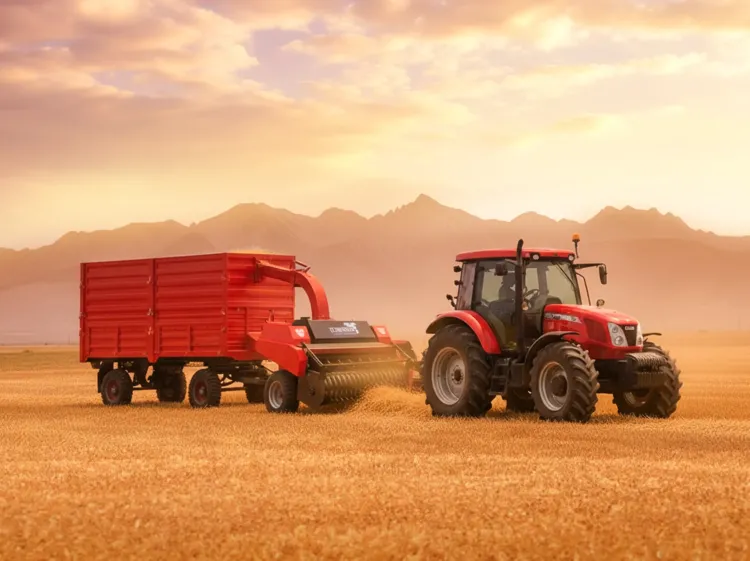
A pick-up thresher is a special type of thresher that automatically collects previously cut crops arranged in windrows in the field and performs the threshing process. With this system, there is less need for operators to manually carry and feed the crop into the machine.
Particularly on larger fields, a pick-up thresher can offer advantages by reducing labor requirements and accelerating the harvesting process.
What Are the Features of a Pick-Up Thresher?
- Automatically collects crops from the field.
- Performs the threshing process.
- Can transfer grain into a storage hopper.
- Can reduce labor requirements.
- Can be used for large-scale agricultural operations.
Thanks to these features, pick-up threshers can be considered a practical solution among modern agricultural machines.
What Is a Traditional Thresher Machine?
The term traditional thresher machine may be used to describe conventional threshing machines. In some regions, different local terms are used for classic thresher designs. However, a machine should not be selected solely based on its name or colloquial definition.
The type of crop to be processed, tractor power, and required daily operating capacity should all be considered. Since various thresher machine models with different specifications are available today, comparing their technical features can help producers make a more suitable choice.
What Should Be Considered When Choosing a Traditional Thresher Machine?
- Machine operating capacity
- Tractor power
- Crop to be threshed
- Sieve and threshing drum options
- Product discharge system
- Spare parts availability
How Are Thresher Machine Prices Determined?
Thresher machine prices vary according to the model's technical specifications and intended application. PTO-driven, gearbox-driven, hopper-equipped, or automatic pick-up models may have different prices.
When researching thresher machine prices, it is important to consider not only the initial purchase price but also factors such as capacity, fuel consumption, maintenance requirements, and after-sales service.
What Factors Affect Thresher Machine Prices?
- Machine model
- Hourly capacity
- PTO-driven or gearbox-driven system
- Storage hopper capacity
- Pick-up system
- Sieve and threshing drum equipment
- Spare parts and service availability
Therefore, price differences between thresher machine models within the same category are normal.
What Should Be Considered When Buying a Thresher Machine?
Before purchasing a thresher machine, it is important to determine which crops will be processed. The operating requirements for wheat, barley, and legumes may differ.
The power of the tractor should also be compatible with the power requirements of the machine. Properly selected agricultural machinery can provide significant advantages in terms of time and labor during the harvest season.
How Do You Choose the Right Thresher?
- Determine the crop to be processed.
- Calculate your daily or hourly capacity requirements.
- Check your tractor's power.
- Determine whether you need a bagging system or storage hopper.
- Research service and spare parts support.
- Compare thresher machine prices together with technical specifications.
What Needs Do Çetinkayalar Thresher Models Meet?
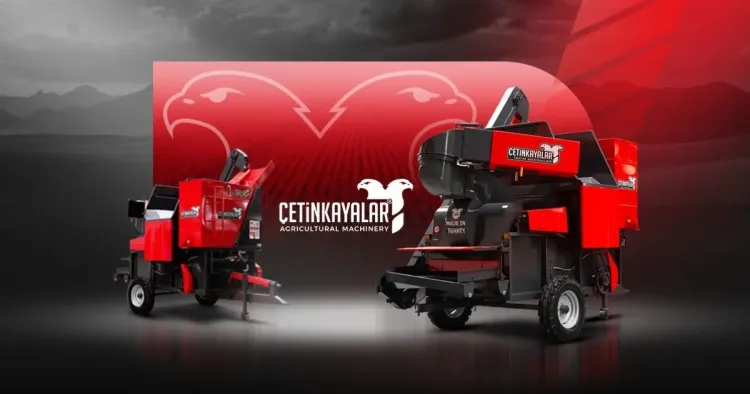
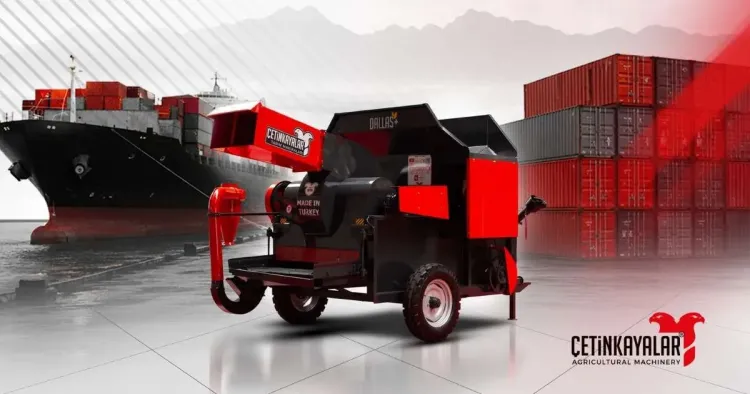
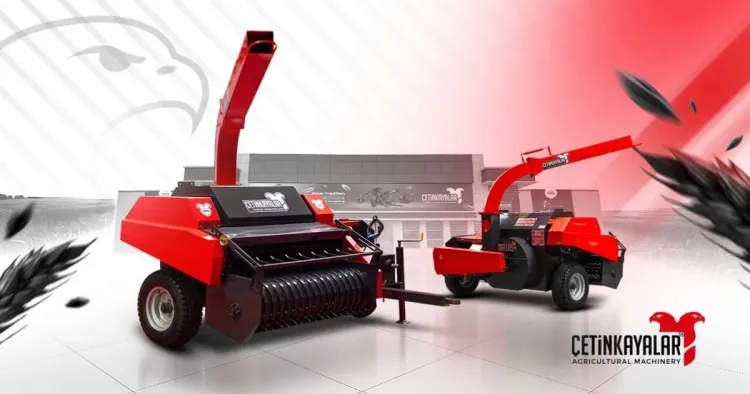
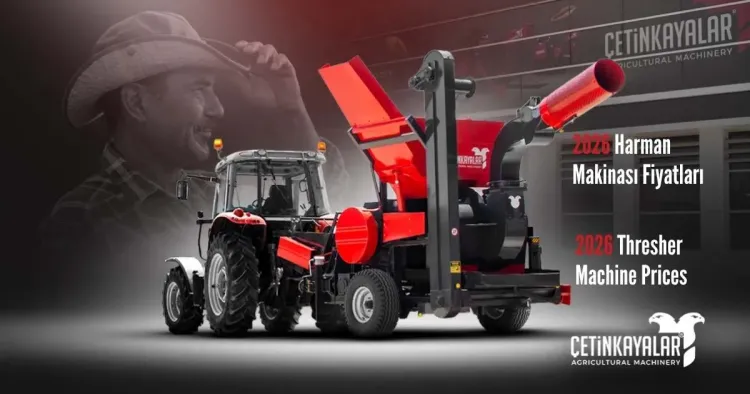
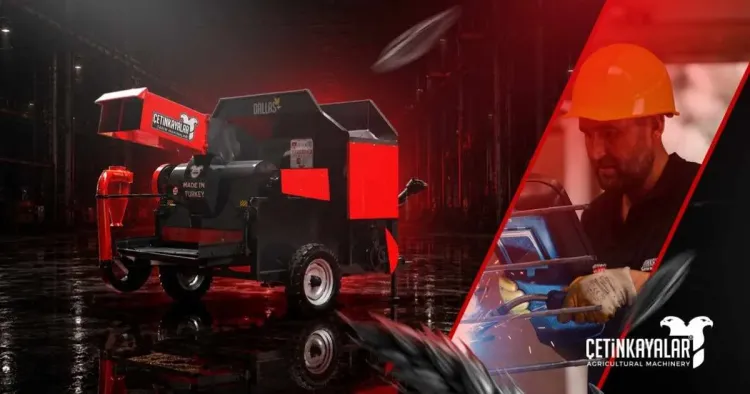
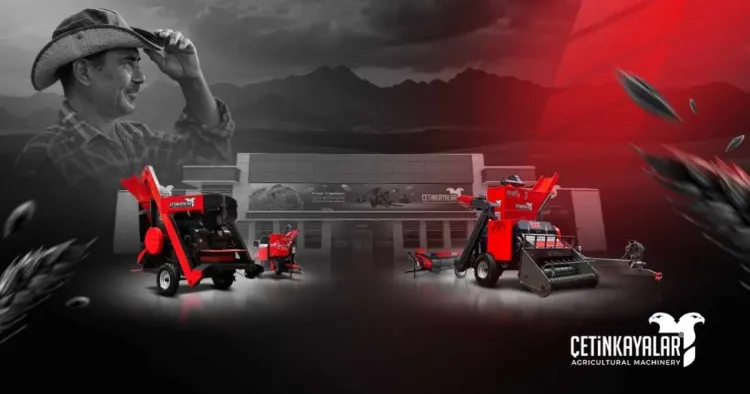
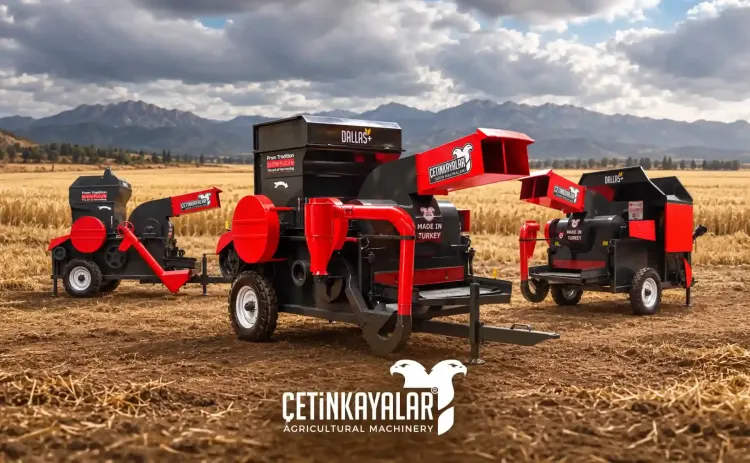
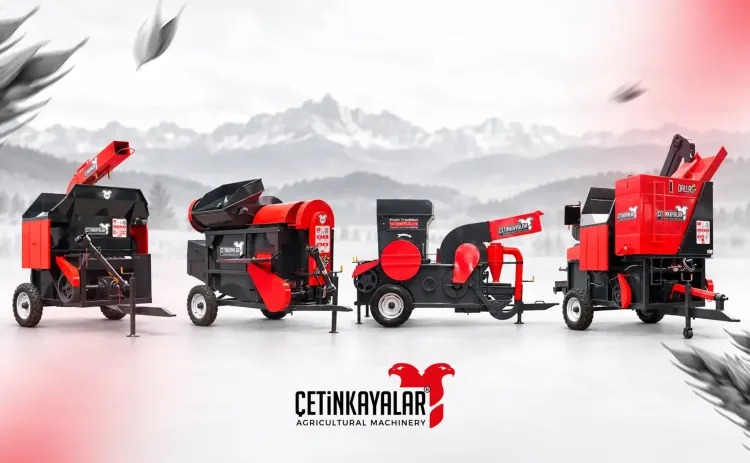
Çetinkayalar Tarım manufactures thresher machine models designed for different harvesting requirements. PTO-driven, gearbox-driven, hopper-equipped, and pick-up thresher options can be evaluated according to different operating conditions.
In addition to models suitable for use as wheat threshers, there are also options with settings suitable for legumes. This allows producers to select a thresher machine according to the specific requirements of their fields and crops.
What Options Are Available Among Çetinkayalar Thresher Models?
- PTO-driven models
- Gearbox-driven models
- Hopper-equipped models
- Pick-up threshers
- Sieve options suitable for different crops
- Bagging systems
Choosing the right thresher machine helps make the harvesting process more efficient. Therefore, in addition to understanding what a thresher is, producers should also consider the conditions under which the machine will be used.
Why Is a Thresher Machine Preferred?
A thresher provides an economical and practical solution, particularly for threshing crops that have already been cut. It can be preferred among various agricultural machines for small and medium-sized farms where the use of a combine harvester may not be suitable.
Under suitable crop and operating conditions, a thresher machine can accelerate harvesting operations while reducing labor requirements. Producers can also use different equipment, such as straw threshers, to process and utilize crop residues remaining after harvest.
What Are the Advantages of Using a Thresher?
- Quickly threshes previously cut crops.
- Can be used for different crops.
- Can operate with a tractor.
- Can reduce labor requirements.
- Offers different capacity options.
- Helps make the harvesting process more organized.
In conclusion, a thresher machine is an important type of agricultural machinery used in grain and legume production. Producers looking for information about what a thresher is should first evaluate the machine's intended application, capacity, and tractor compatibility. Since thresher machine prices also vary according to these technical specifications, selecting a model based on specific operational requirements rather than price alone can help ensure a more suitable choice.