
What Does a Threshing Machine Do?
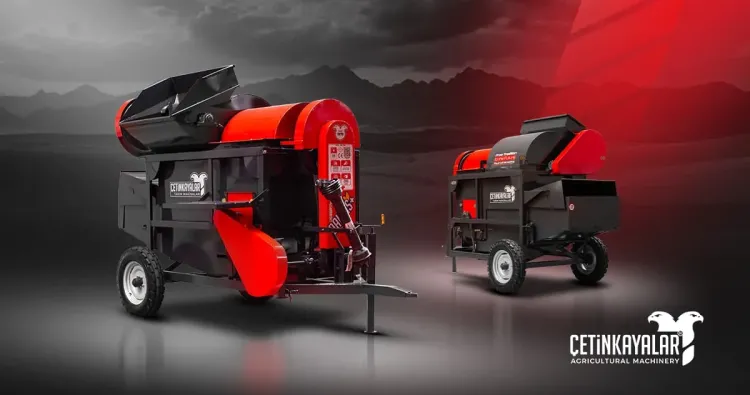
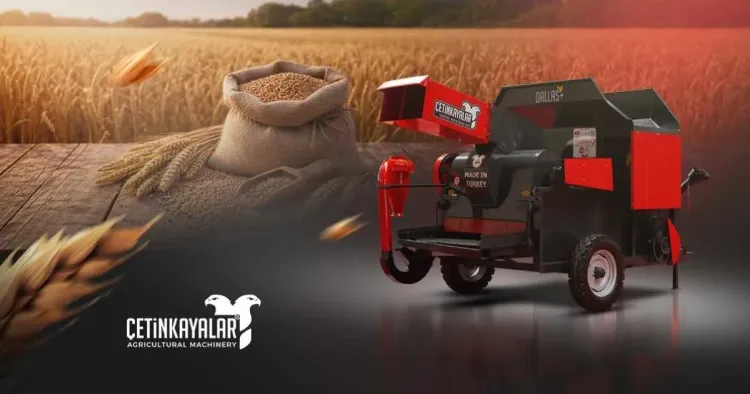
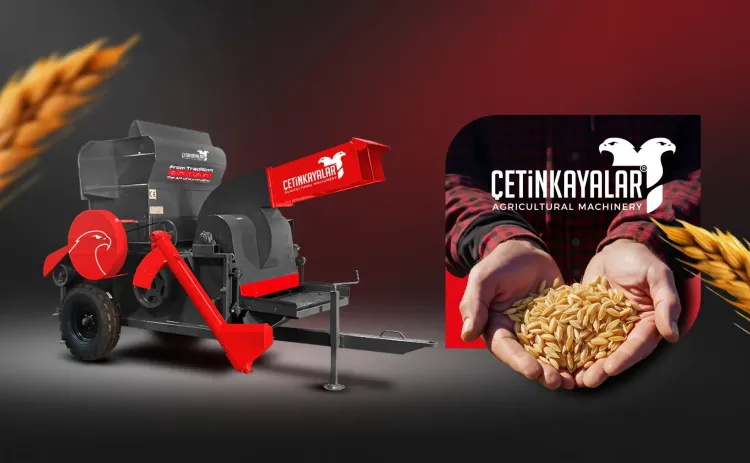
A threshing machine (known in Turkish as a "patoz") is a piece of farm equipment used after harvest to separate the grains of agricultural crops from plant residues such as stalks and straw. Used especially for threshing wheat, barley, lentils and similar crops, threshing machines meet growers' needs with models offering different working systems and capacities. So what does a threshing machine do, and which crops is it used for?
What Does a Threshing Machine Do?
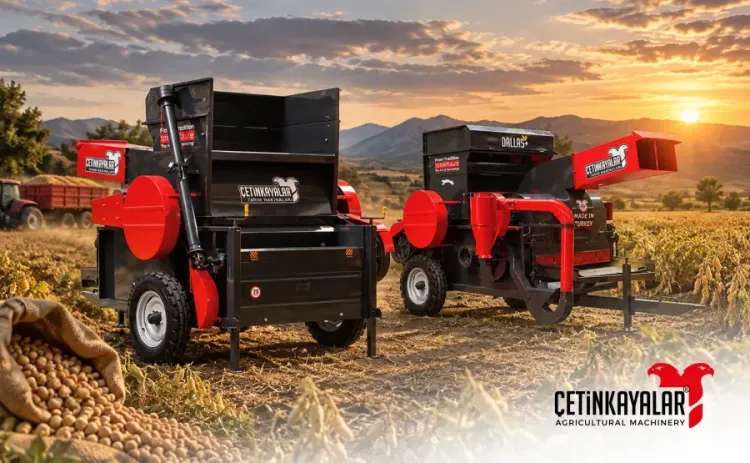
A threshing machine threshes harvested crops and separates the grains from the other parts of the plant. Once the crop is fed into the machine, it goes through beating and separation processes, so the grains are separated from stalks, straw and other foreign matter.
These machines, which reduce labour and speed up threshing, can be built with different features for different crops. That is why the answer to "what is a threshing machine?" is not limited to a simple definition: the working system can vary depending on the application and the model.
Main Functions of a Threshing Machine
- Threshing harvested crops
- Separating grains from stalks and straw
- Speeding up the threshing process
- Reducing the need for labour
- Helping process a variety of agricultural crops
- Ensuring crops are separated more cleanly
Which Crops Is a Threshing Machine Used For?
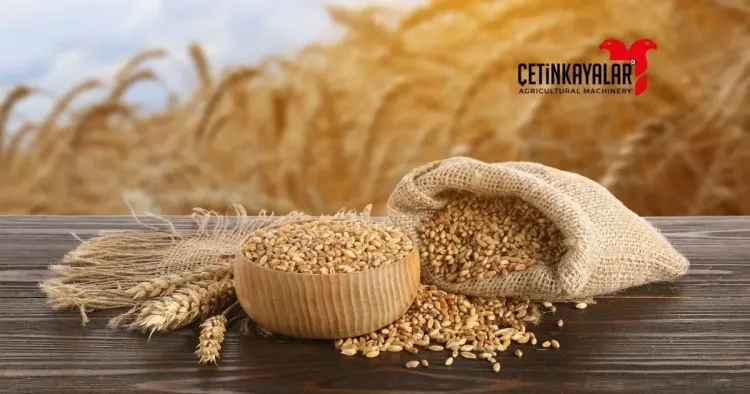
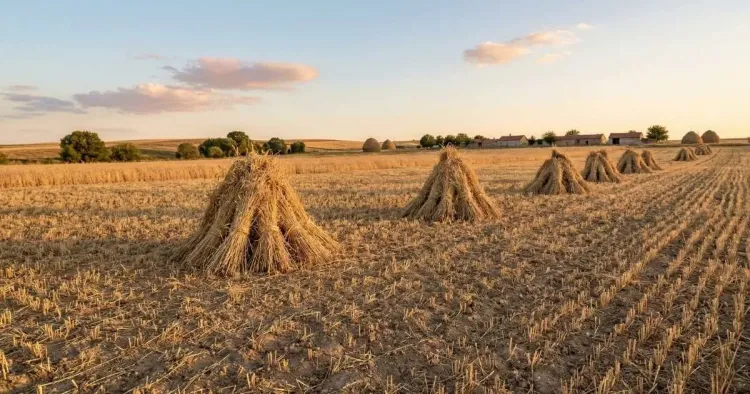
Threshing machines can be used for threshing many agricultural crops, above all wheat and barley. When choosing a machine, the structure of the crop, the required capacity and the working conditions should be taken into account.
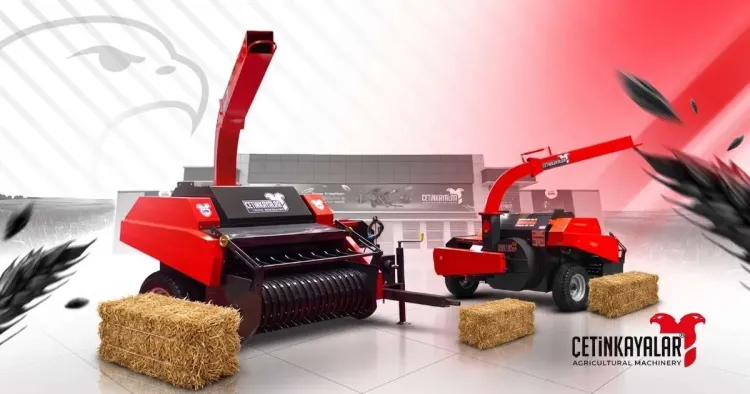
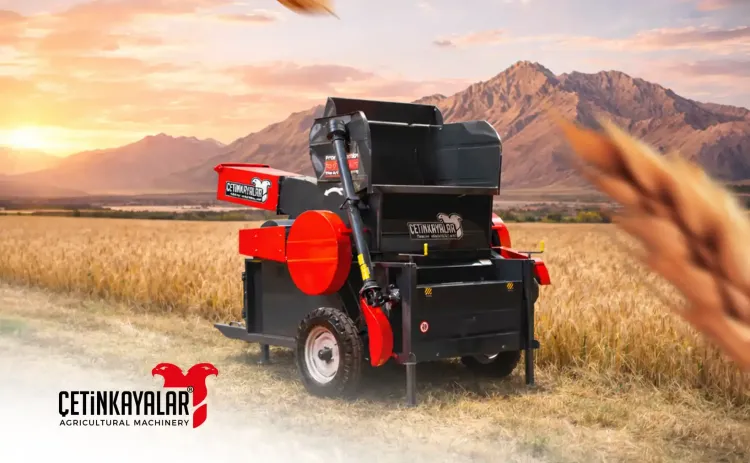
A wheat thresher in particular is used after the grain harvest to separate the kernels from the stalks and other plant parts. Similarly, models used as straw threshers can be preferred for processing straw and putting it through various treatments.
Threshers by Area of Use
- Wheat and barley threshing
- Lentil and pulse threshing
- Processing straw and plant residues
- Separating hay and dry forage crops
- Threshing various other agricultural crops
What Types of Threshing Machines Are There?
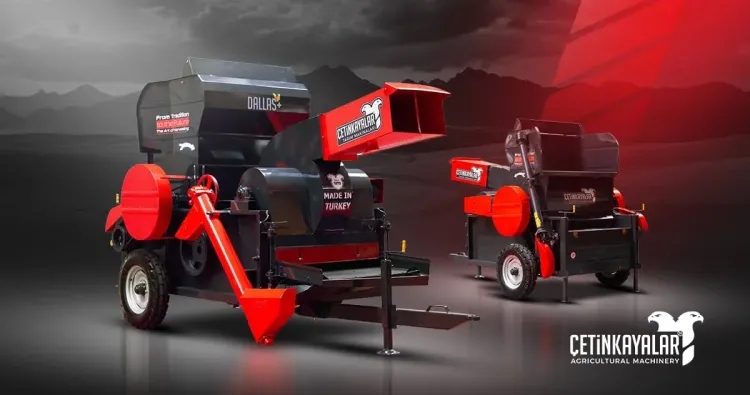
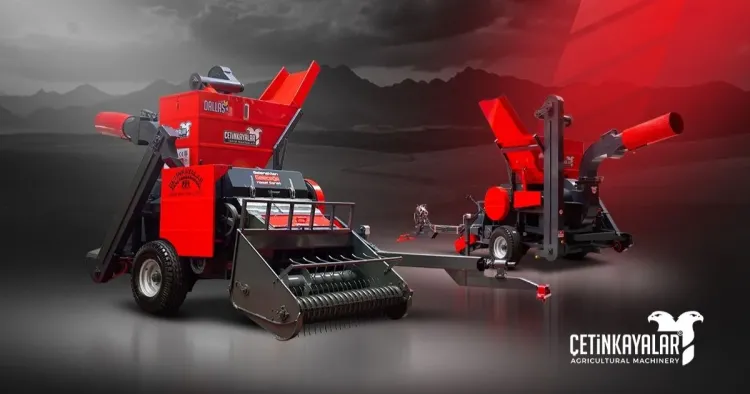
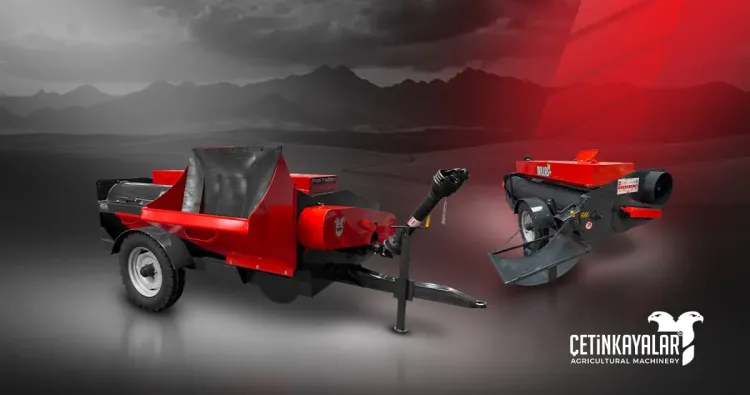
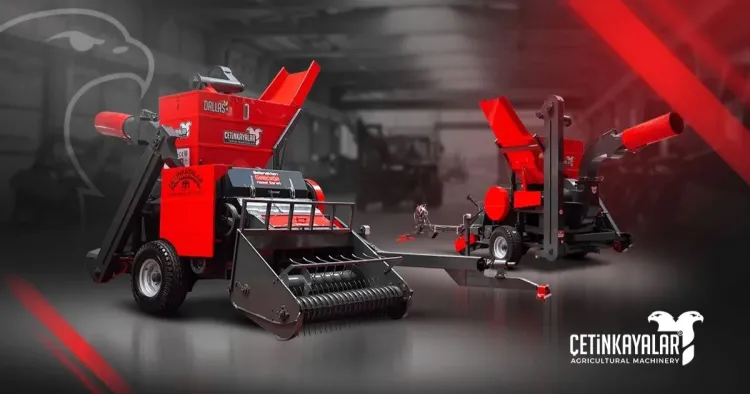
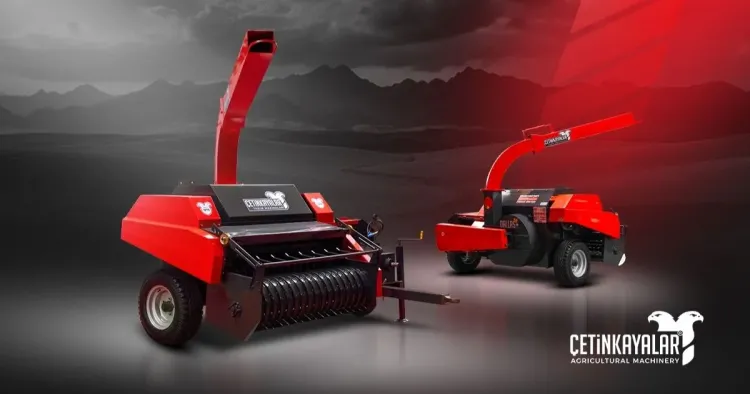
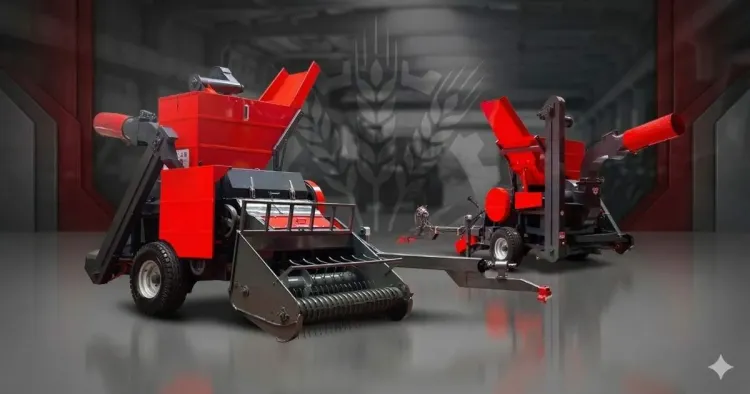
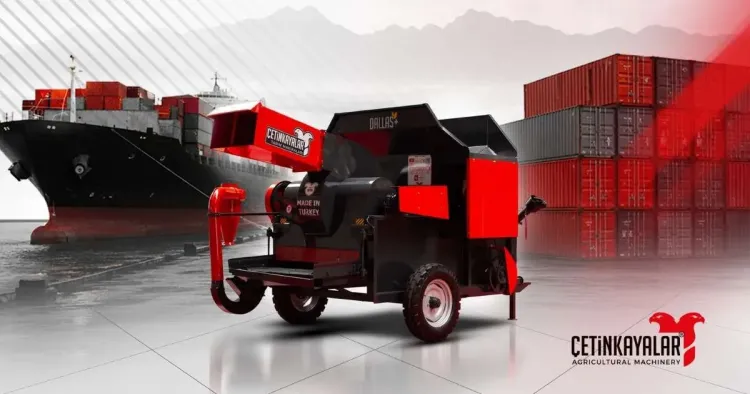
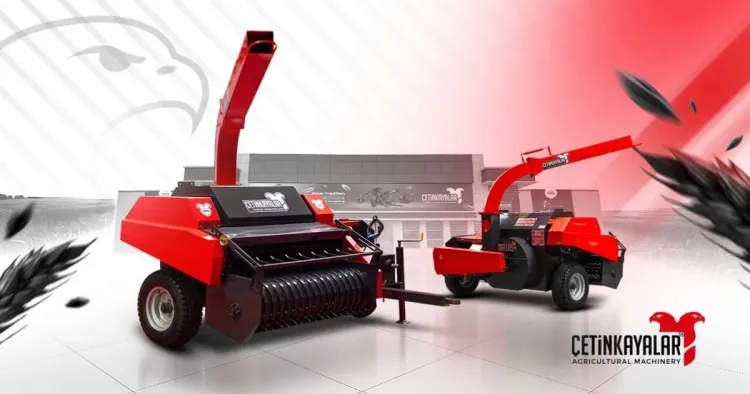
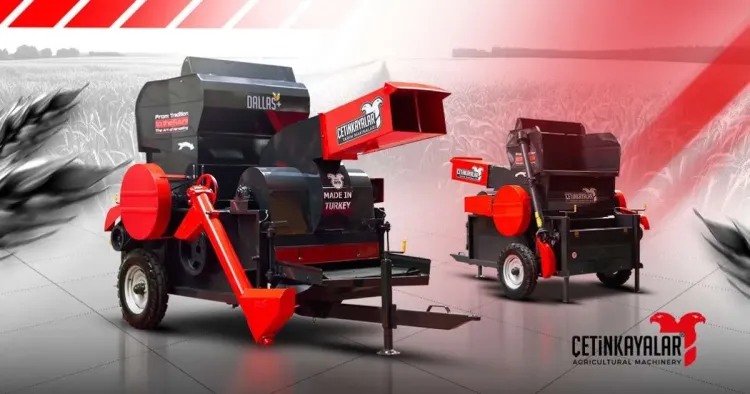
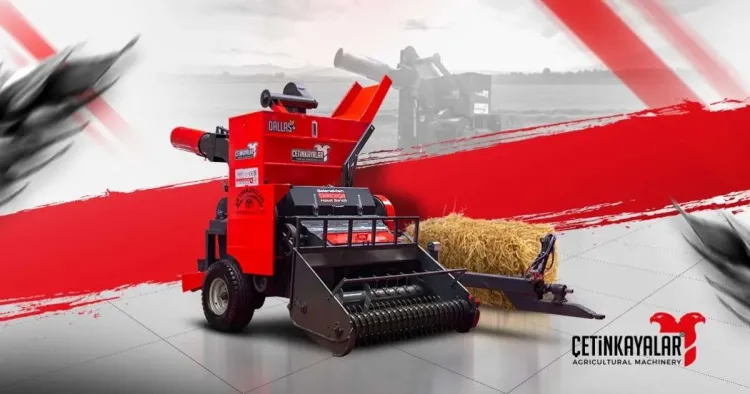
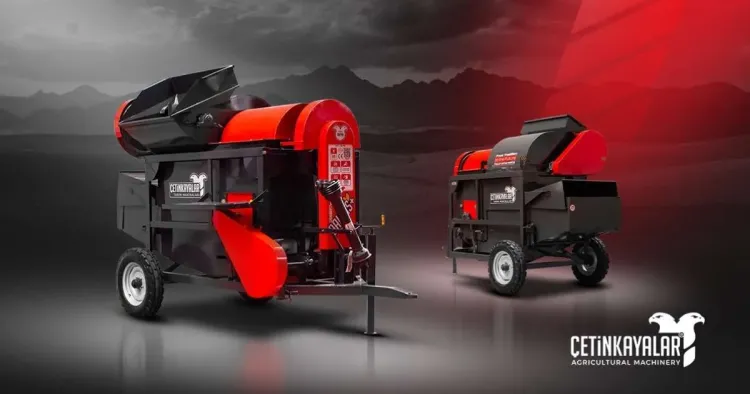
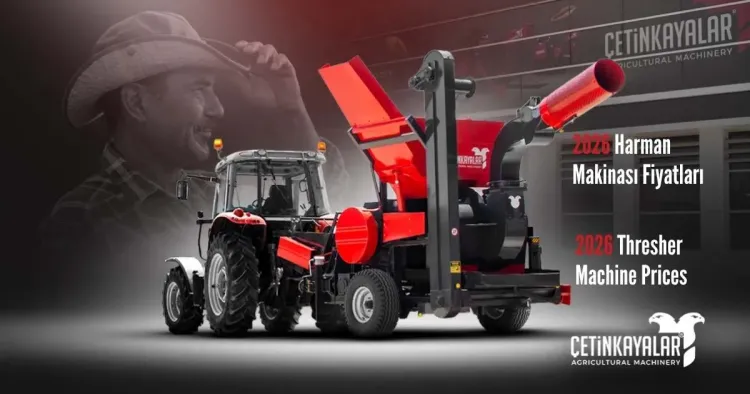
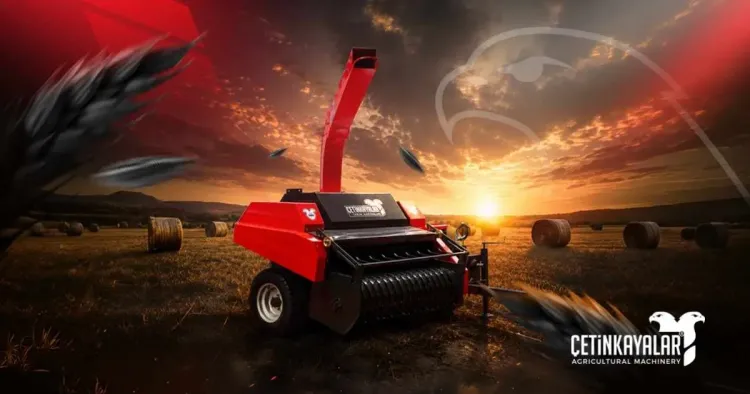
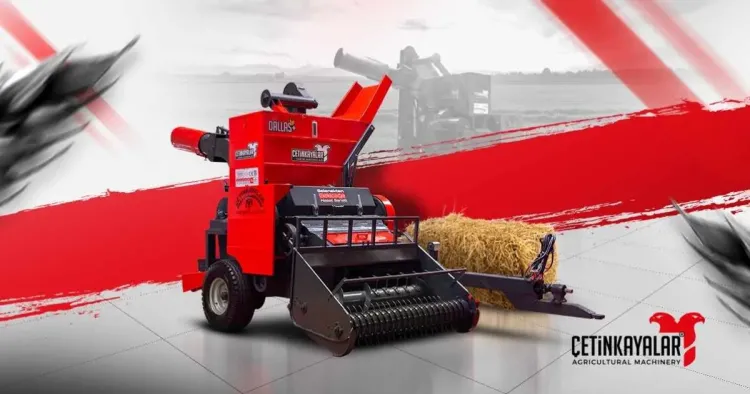
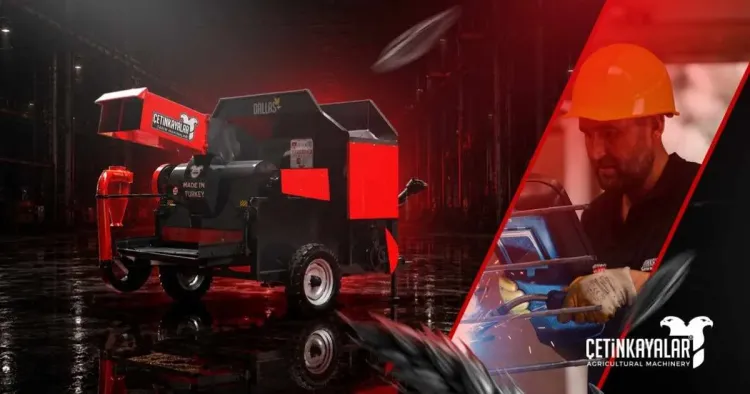
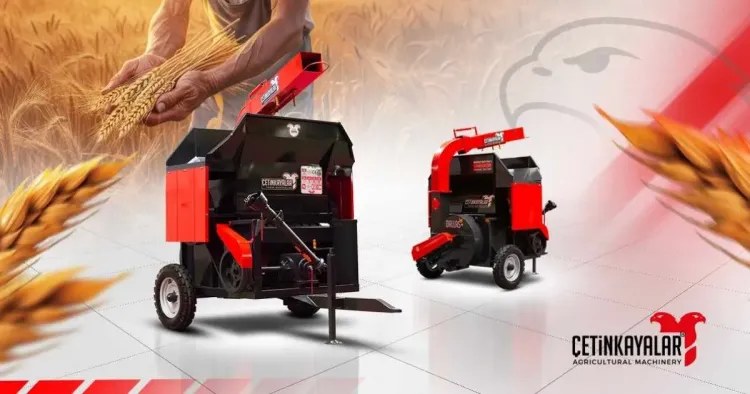
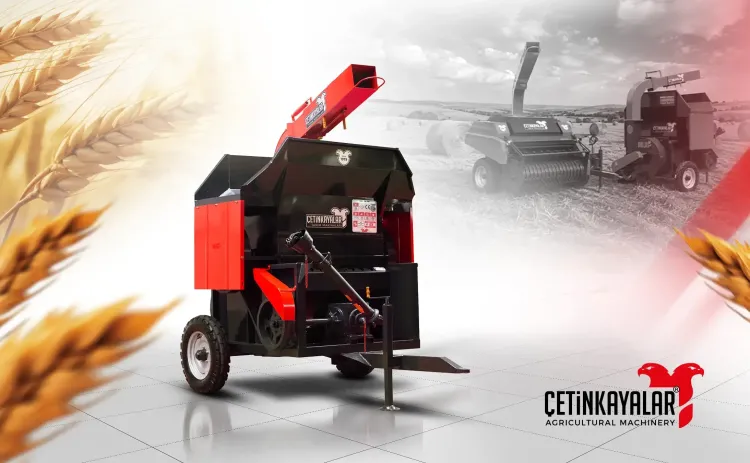
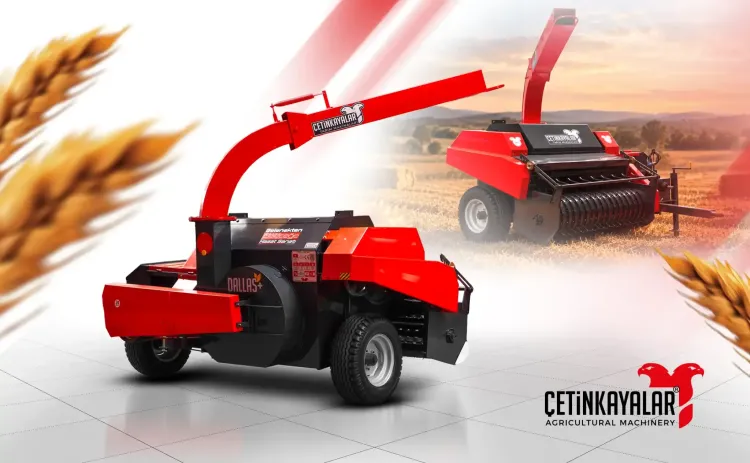
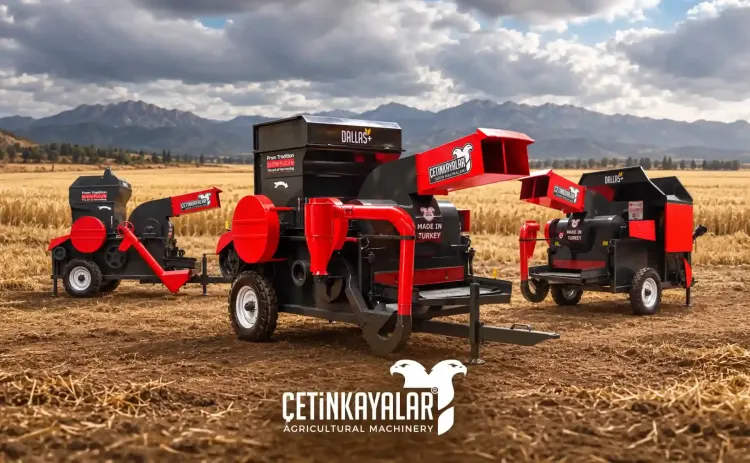
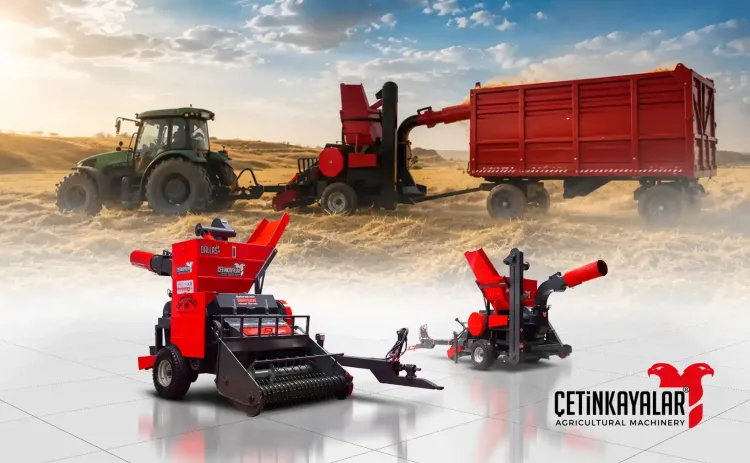
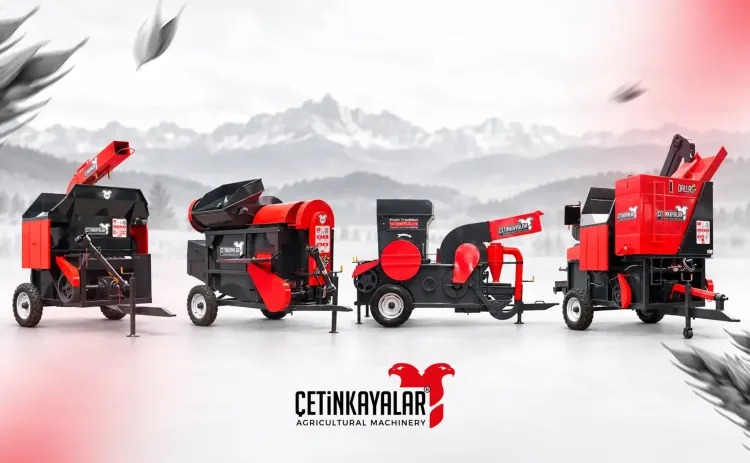
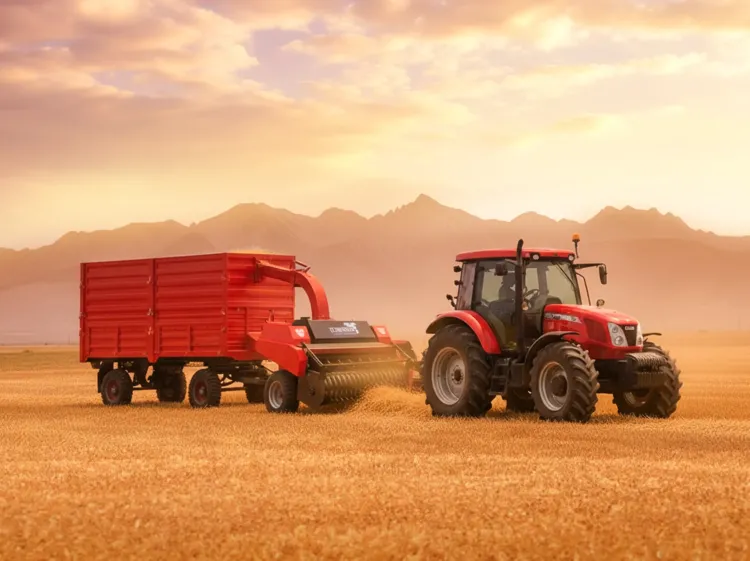
There are thresher models with different working systems for different needs. Mobile threshers offer flexible use in the field or at different locations, while pickup threshers can collect crops lying on the ground and thresh them in a single operation.
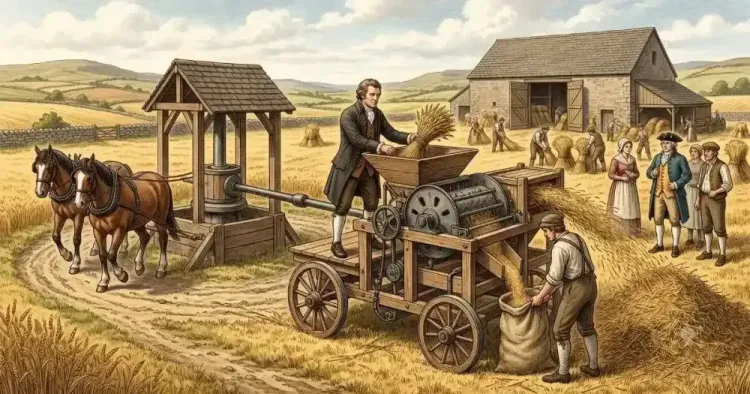
The traditional stationary thresher, known in Turkey as the "kara patoz", is one of the best-known models and has been used for generations. Today, growers also choose more advanced models with different capacities to suit their needs.
Common Thresher Models
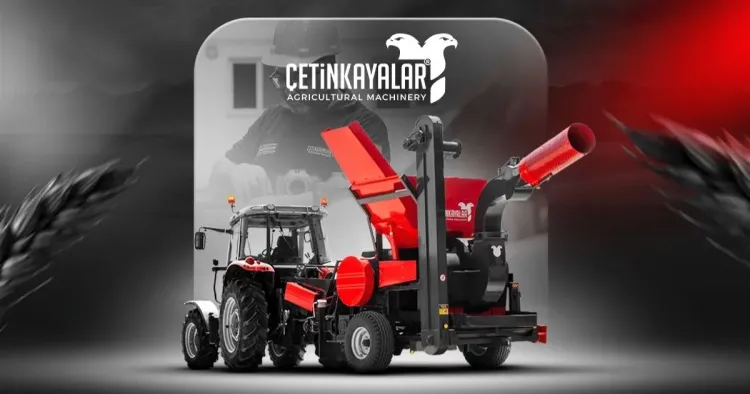
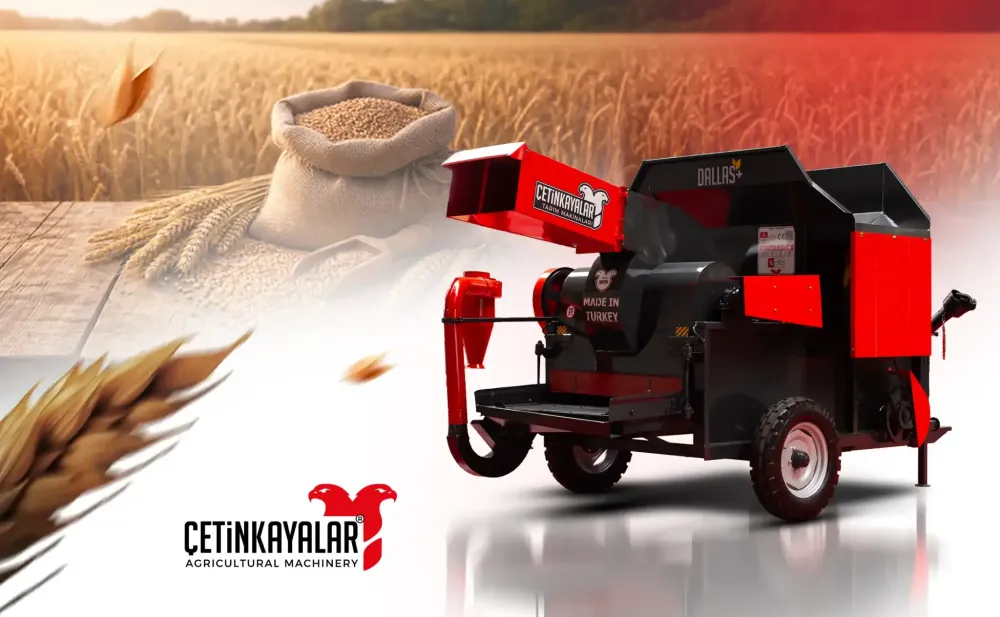
- Mobile thresher
- Pickup thresher
- Traditional stationary thresher
- Wheat thresher
- Straw thresher
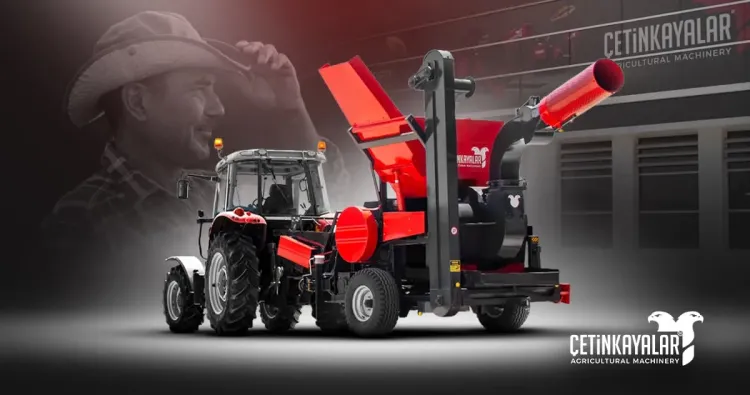
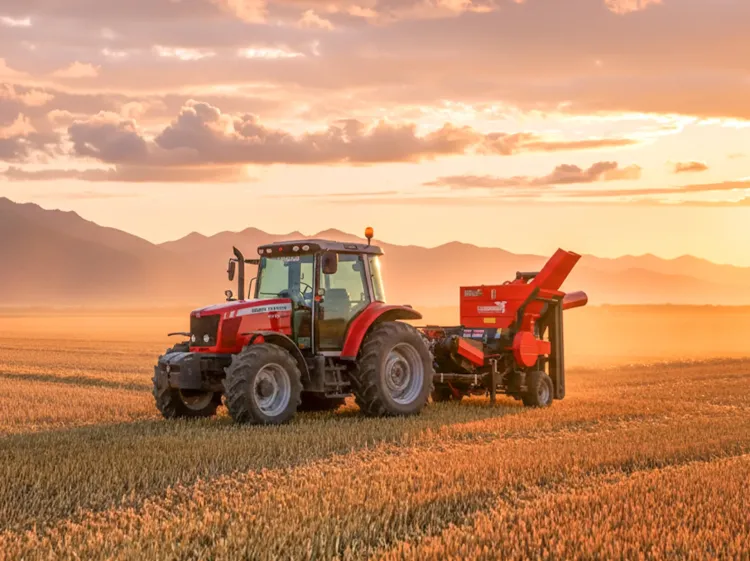
- PTO shaft-driven thresher
- Multi-crop thresher
What to Consider When Choosing a Threshing Machine
When choosing a threshing machine, you should look beyond the price and also consider the intended use and the required capacity. The type of crop to be processed, the daily workload, tractor compatibility and the machine's working system all play an important role.
Threshing machine prices in particular can vary depending on the model's technical specifications, capacity and equipment. For this reason, a machine's features should be evaluated alongside its price.
Key Selection Criteria
- Type of crop to be processed
- Machine capacity
- Working system
- Tractor and power compatibility
- Area of use
- Maintenance and service needs
- Spare parts availability
- Price and total cost of ownership
What Determines Threshing Machine Prices?
Threshing machine prices can vary according to the model, capacity, technical equipment and intended use. Price differences can be seen between mobile models, machines with pickup systems and models designed for specific crops.
Rather than choosing on price alone, you should assess how well the machine fits your needs. A threshing machine with the right capacity helps the work run more efficiently.
Why Are Threshing Machines Important in Agriculture?
Fast and orderly threshing directly affects how the crop is processed after harvest. In short, a threshing machine separates the grains, reduces labour and makes threshing a more controlled process.
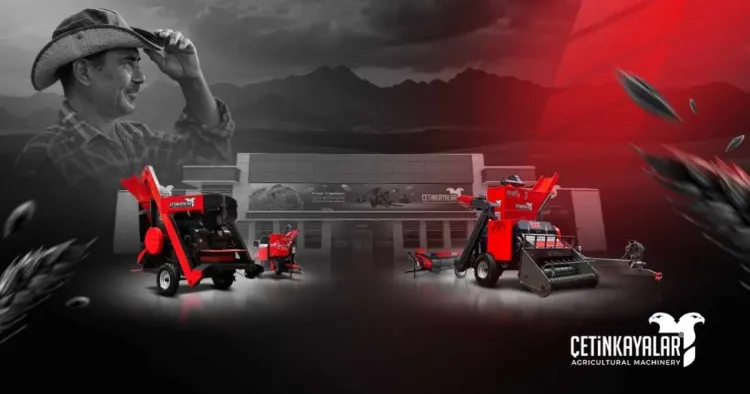
Threshing machine models designed for different applications provide solutions for the threshing work needed in agricultural production. Growers can choose a mobile thresher, a pickup thresher or other models according to their crop type and working conditions.
Why Is Choosing the Right Machine Important?
- It ensures the working capacity matches your needs.
- It helps the threshing process run smoothly.
- It allows different crops to be processed.
- It ensures proper tractor and equipment compatibility.
- It can offer advantages in long-term use.
Frequently Asked Questions About Threshing Machines
What does a threshing machine do?
A threshing machine separates the grains of harvested crops from stalks, straw and other plant parts. It is especially used for threshing cereals and pulses.
What is a threshing machine?
In short, a threshing machine is a machine that threshes agricultural crops and separates their grains from the rest of the plant.
What is a wheat thresher used for?
A wheat thresher is used to thresh wheat and separate the kernels from the stalks and straw.
What is a mobile thresher?
A mobile thresher is a thresher model that can be moved and operated at different locations. Its method of use and technical specifications vary by model.
What does a pickup thresher do?
A pickup thresher is a type of machine that collects crops from the field and threshes them in a single operation.
How are threshing machine prices determined?
Threshing machine prices vary according to the model, capacity, technical specifications, equipment and intended use. For this reason, a machine's features should also be taken into account when comparing prices.