

What Is a Threshing Machine Used For?
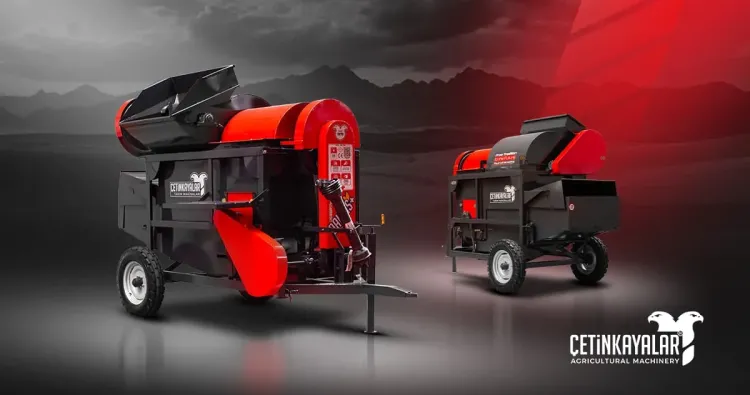
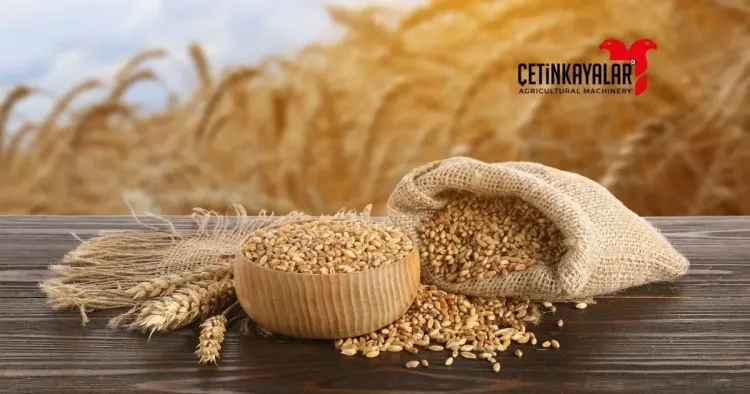
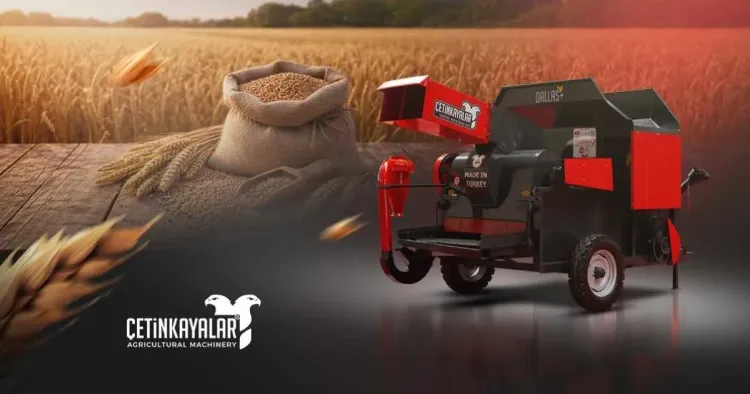
A threshing machine is agricultural equipment used to separate grains from the stalks, straw, and other plant parts of harvested crops. Especially used for threshing products such as wheat, barley, oats, chickpeas, and lentils, a threshing machine helps make the harvesting process faster and more organized.
Today, there are different threshing machine models with different operating systems. When selecting a machine, producers should consider factors such as capacity, tractor compatibility, the product to be processed, and the intended area of use.
What Is a Threshing Machine Used For?
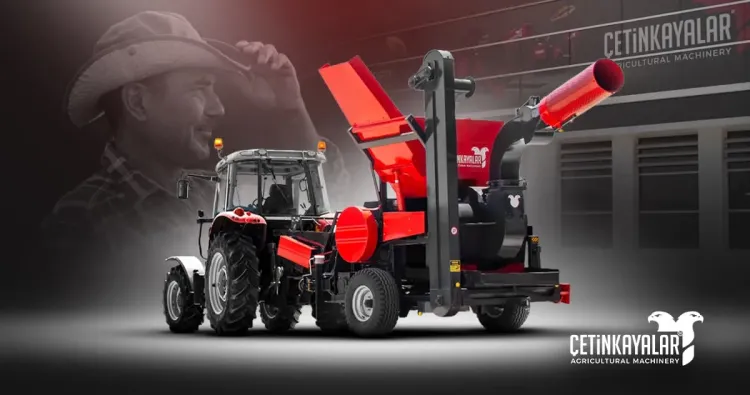
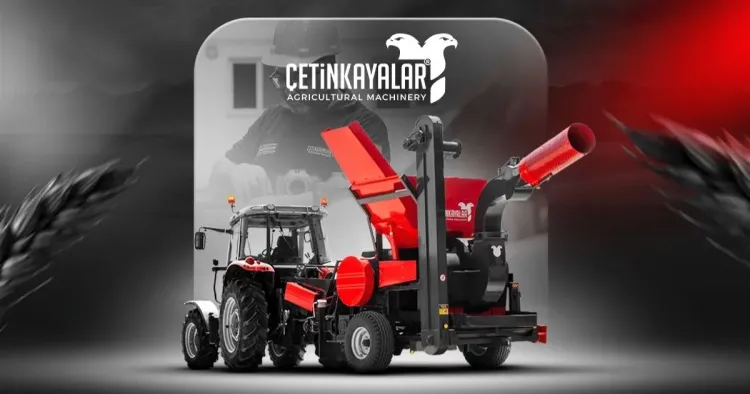
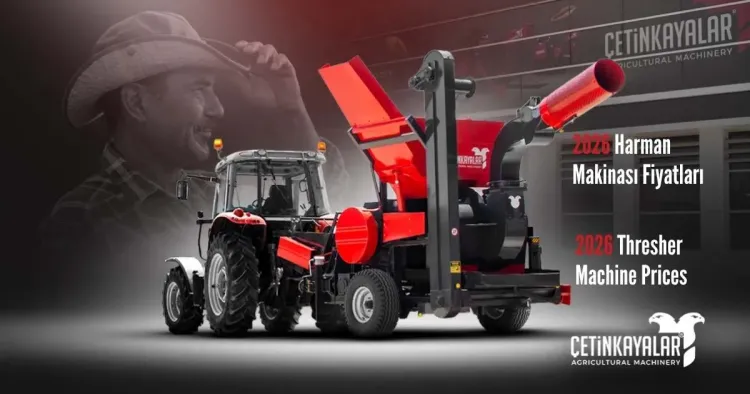
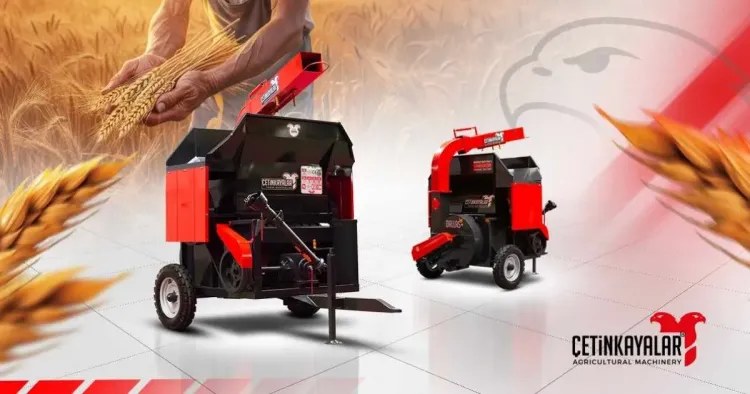
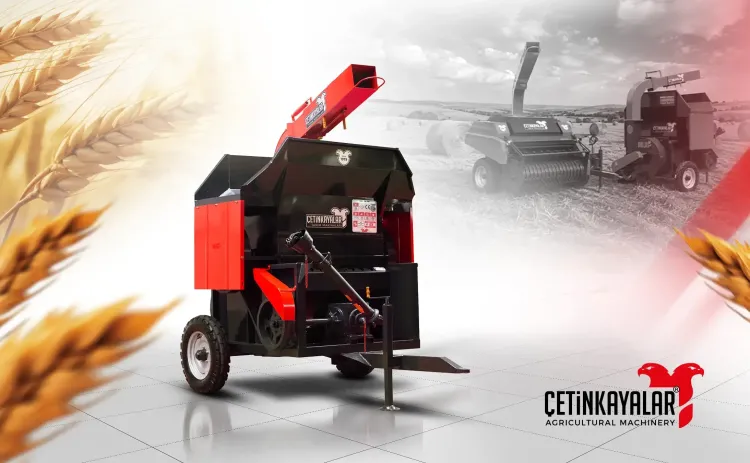
A threshing machine processes previously harvested crops to separate the grain from the stalk. Models powered by the tractor's PTO shaft use a threshing drum system to beat the crop and separate the grains.
This process provides an important alternative, especially for small and medium-sized farms where using a combine harvester may not be suitable. When the agricultural machinery used is selected according to the farm's production method, it can help save time and labor during harvesting.
Which crops are processed with a threshing machine?
- Wheat
- Barley
- Oats
- Rye
- Chickpeas
- Lentils
- Beans
- Broad beans
- Vetch
The sieves and machine settings may need to be adjusted depending on the crop. Therefore, models suitable for processing multiple crops can provide advantages when purchasing a threshing machine.
How Does a Threshing Machine Work?
A threshing machine takes previously harvested and prepared crops through the feeding section. When the crop reaches the threshing drum, it is beaten to separate the grains from the stalks. The grain is then cleaned using the sieve and fan system.
For the operating system to work efficiently, the tractor's power and the threshing machine must be compatible. In addition, the machine's capacity should be suitable for the daily harvesting volume.
What are the operating stages of a threshing machine?
- The harvested crop is fed into the machine.
- The threshing drum beats the crop.
- The grains are separated from the stalks.
- The sieves clean the product.
- The grains are transferred into bags or a storage unit.
- Stalks and straw are separated through a different outlet of the machine.
Compared with traditional methods, this system helps make harvesting operations more organized.
What Is the Difference Between a Threshing Machine and a Combine Harvester?
A threshing machine is used to thresh crops that have already been harvested. A combine harvester, on the other hand, can perform harvesting, threshing, and cleaning operations with a single machine in the field.
For this reason, a threshing machine has a different area of use compared with a combine harvester. In small and medium-sized farms, these agricultural machines can be used together with a tractor and may be preferred with a lower initial investment cost.
When is a threshing machine preferred?
- When the crop has already been harvested
- When tractor-powered operation is preferred
- For small or medium-sized production
- When different crops need to be threshed
- When a lower initial investment cost is desired
What Is the Difference Between Old and New Threshing Machine Models?
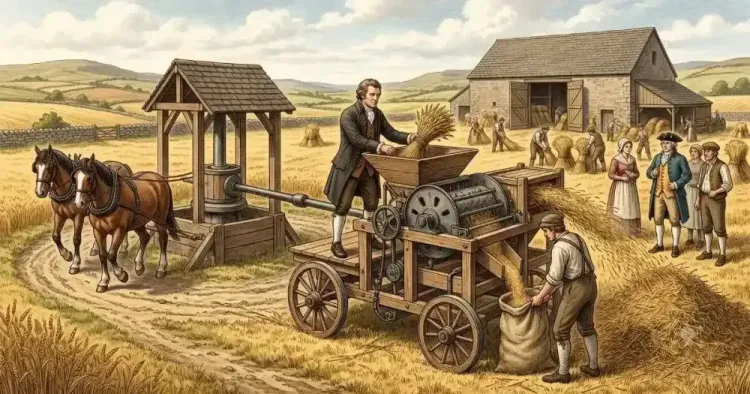
Older threshing machine models may have simpler operating systems compared with newer-generation machines used today. Traditional models may require more labor for operations such as manual feeding and bagging.
New threshing machine models may include features such as storage units, gearboxes, automatic collection systems, and improved cleaning systems. These developments make harvesting operations easier with modern agricultural machinery.
Is It Worth Buying an Old Threshing Machine?
Producers considering purchasing a used or old threshing machine should check the mechanical condition of the machine.
- Condition of the threshing drum and sieves
- Wear of belts and bearings
- Strength of the chassis and body
- Tractor connections
- Availability of spare parts
- Previous usage intensity
Even if the purchase price of the machine is low, maintenance and refurbishment costs should also be taken into account.
How Are Threshing Machine Prices Determined?
Threshing machine prices vary depending on the model's technical specifications and capacity. There may be price differences between models with shafts, gearboxes, storage units, and different automation features.
When evaluating current threshing machine prices, the purchase price should not be the only consideration. Fuel consumption, maintenance costs, capacity, and service support also affect the total cost of ownership.
What factors affect threshing machine prices?
- Machine model
- Hourly capacity
- Power transmission system
- Storage capacity
- Bagging system
- Materials and body construction
- Additional equipment
- Service and spare parts support
Therefore, technical specifications should also be evaluated when comparing threshing machine prices.
What Should Be Considered When Buying a Threshing Machine?
Before purchasing a threshing machine, it is important to determine which crops the machine will be used for. The processing conditions for grains such as wheat and barley may differ from those for pulses such as chickpeas and lentils.
The power of the tractor to be used should also be compatible with the power required by the machine. When the right agricultural machinery is selected, efficient machine operation during the harvesting season becomes easier.
Which features are important when selecting a machine?
- Type of crop to be processed
- Hourly capacity
- Tractor power
- Threshing drum system
- Sieve options
- Bagging or storage system
- Fuel consumption
- Service and spare parts support
What Are the Different Threshing Machine Models?
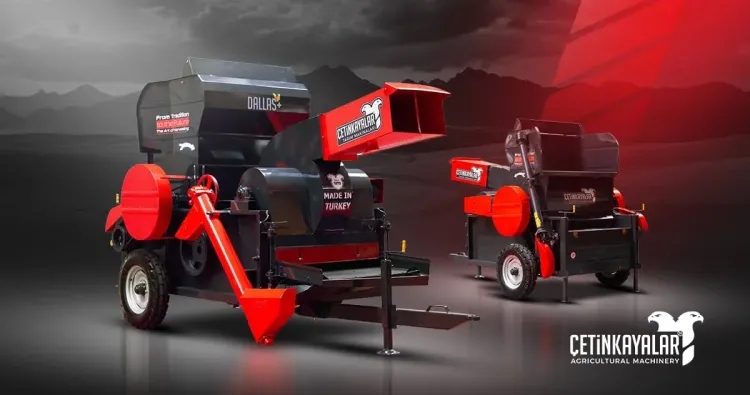
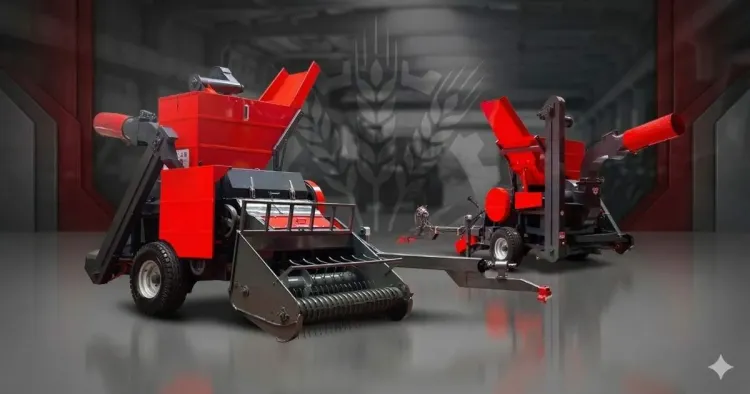
Today, there are different threshing machine options designed for various needs. Shaft-driven models offer a more traditional operating system, while gearbox models use a different power transmission method.
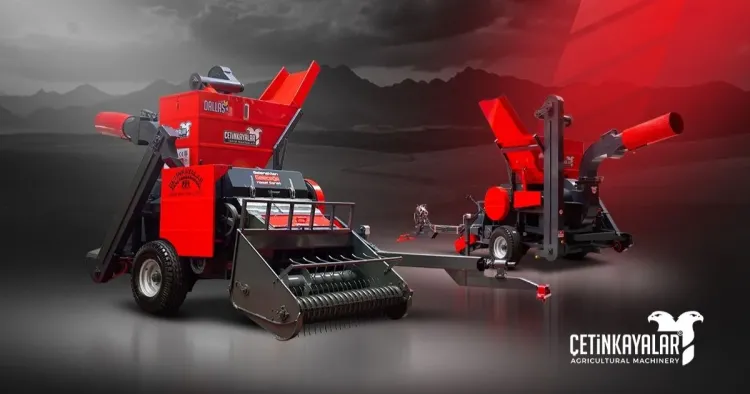
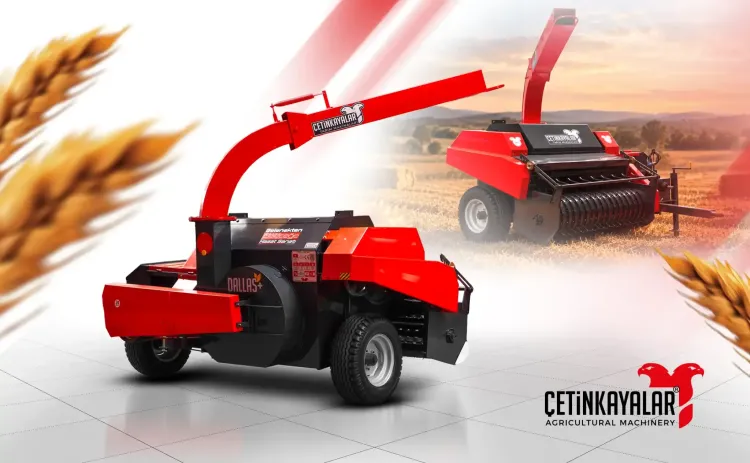
Models with storage units can collect the product directly on the machine, reducing the need for carrying bags. Producers can choose the agricultural machinery model that best suits their field and crop characteristics.
Which model is suitable for whom?
- Shaft-driven models: Standard harvesting operations
- Gearbox models: For users who require intensive operation and efficient power transmission
- Models with storage units: For users who want to reduce bag-handling labor
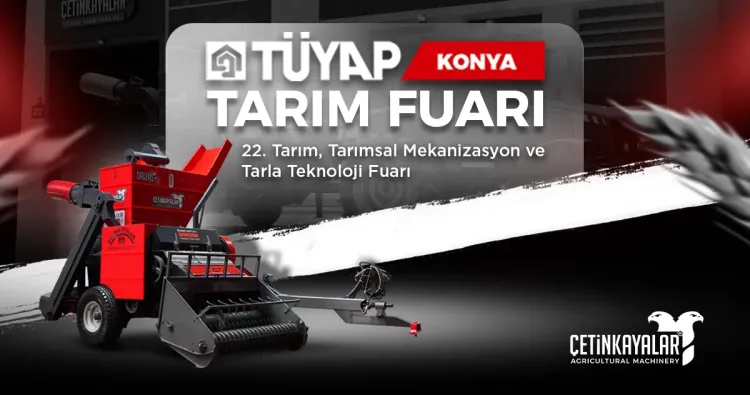
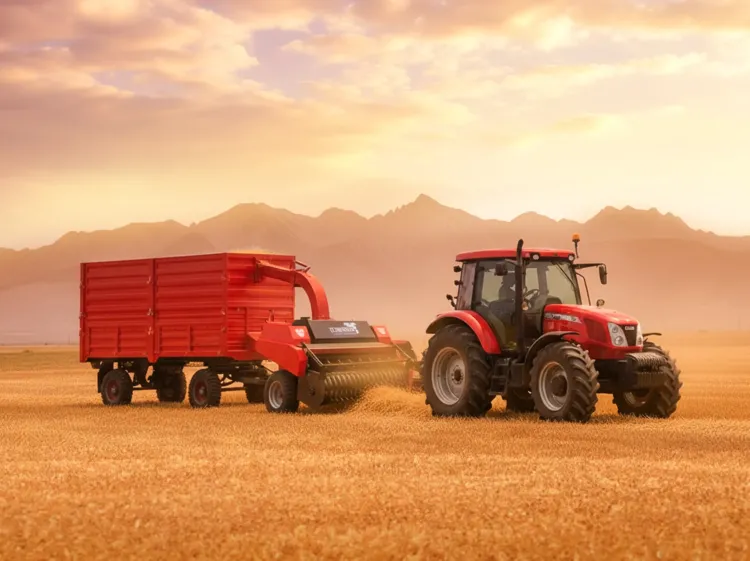
- Models with collection systems: For users who want to automatically collect the crop from the field
What Are the Advantages of Using a Threshing Machine?
A properly selected threshing machine can make harvesting easier for producers. Its ability to operate with a tractor, suitability for different crops, and availability in various capacity options provide important advantages.
Modern threshing machine models can also be preferred for reducing manual labor and processing crops in a more organized manner.
What advantages does a threshing machine provide?
- Quickly threshes harvested crops.
- Can be used for different crops.
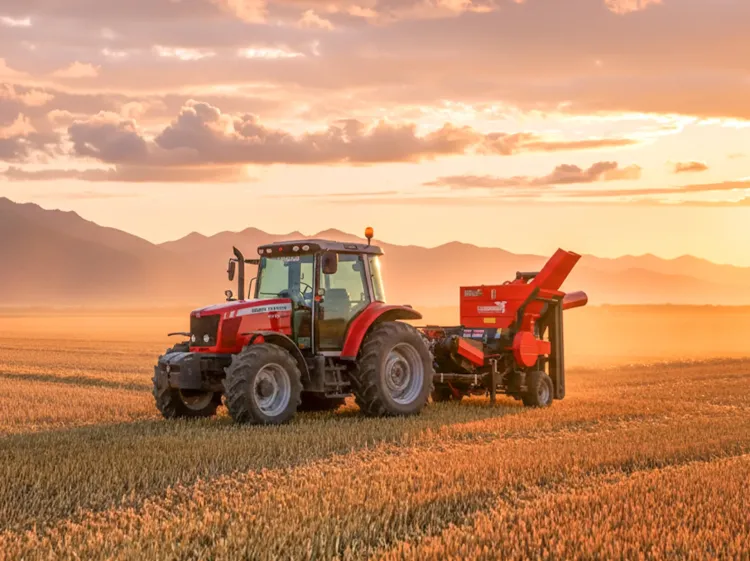
- Can operate with a tractor.
- Can reduce labor requirements.
- Can offer bagging or storage options.
- Helps make the harvesting process more organized.
Is a Threshing Machine the Same as a Straw Machine?
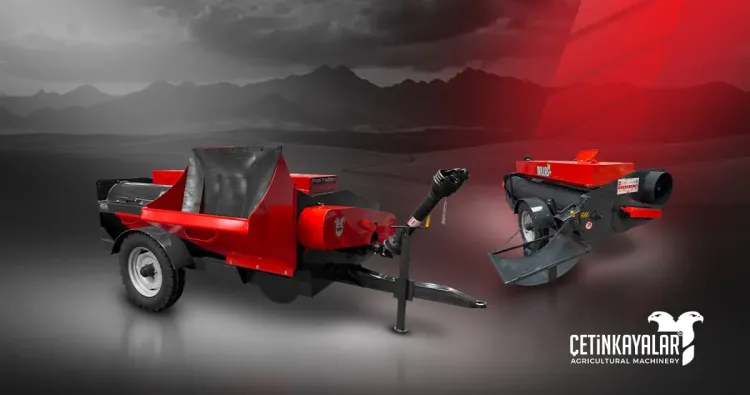
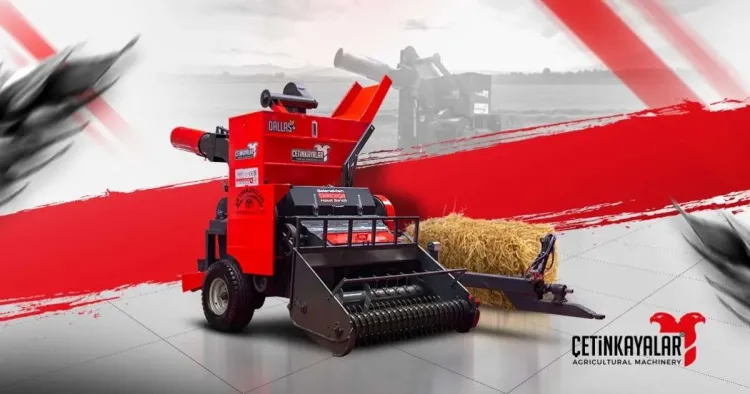
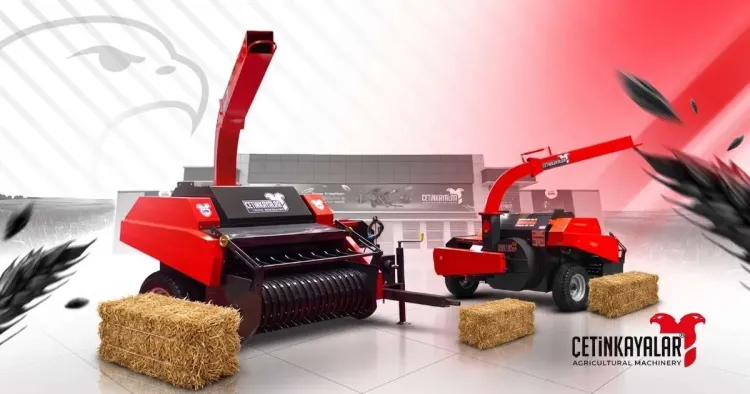
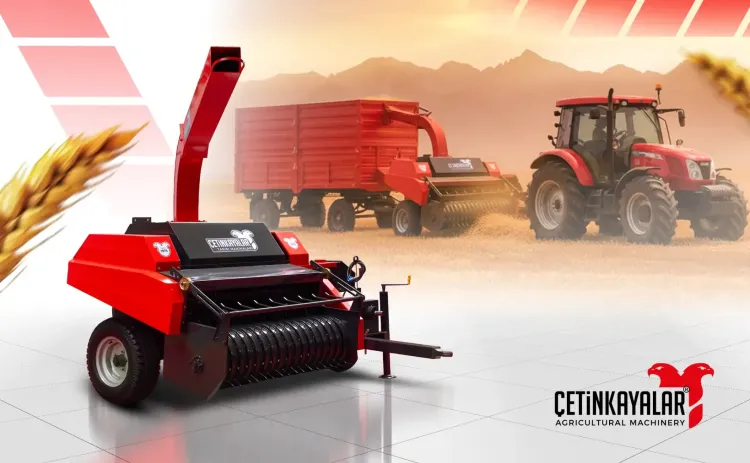
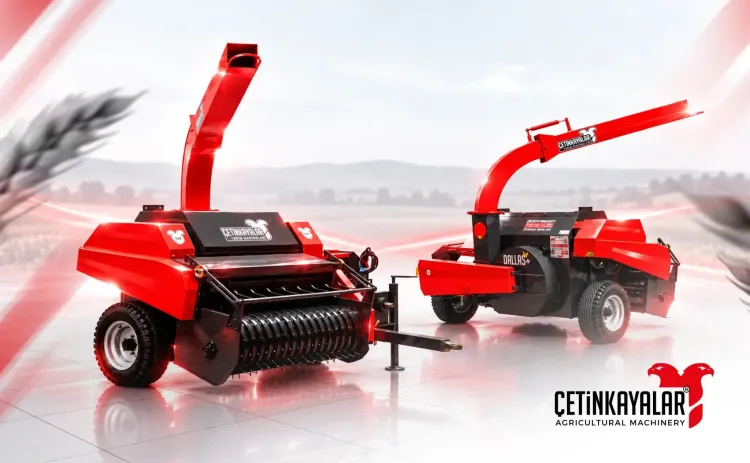
No. A threshing machine is used to separate grains from stalks. A straw machine, on the other hand, processes the remaining stalks after harvesting and turns them into straw.
Therefore, they are two different groups of agricultural machinery. If a producer needs both threshing and straw processing, the operating purpose of each machine should be evaluated separately.
What is the main difference between the two machines?
- Threshing machine: Separates grain from stalks.
- Straw machine: Processes stalks and produces straw.
- Threshing machine: Used during the grain separation stage of harvesting.
- Straw machine: Used after harvesting.
What Needs Do Çetinkayalar Threshing Machines Meet?
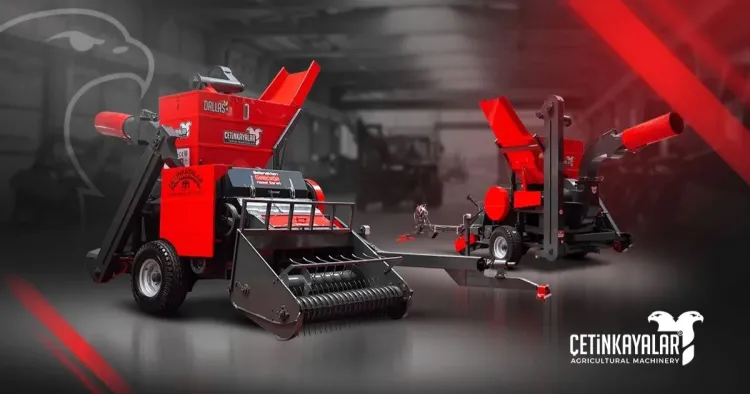
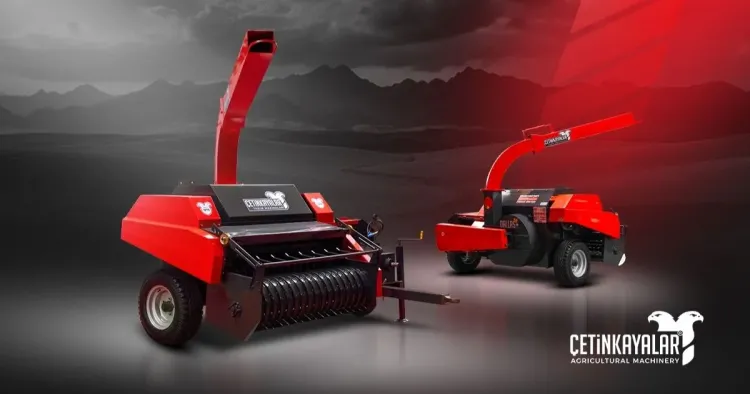
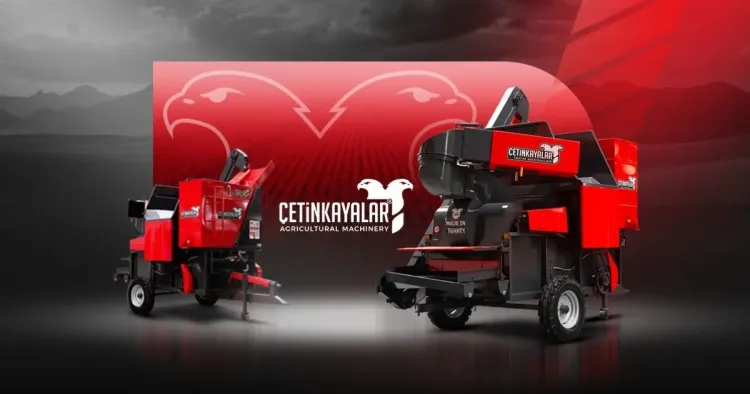
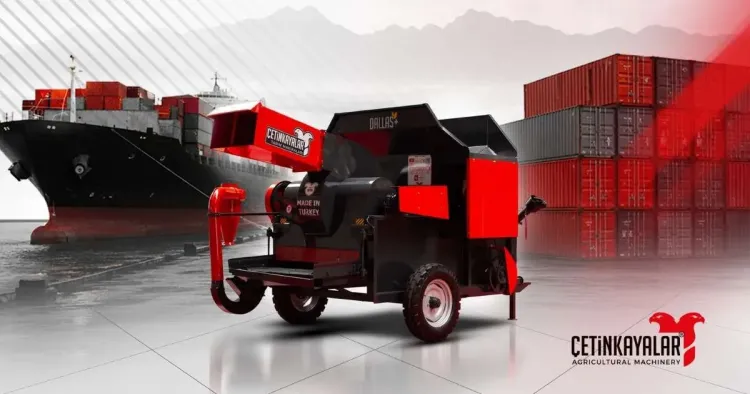
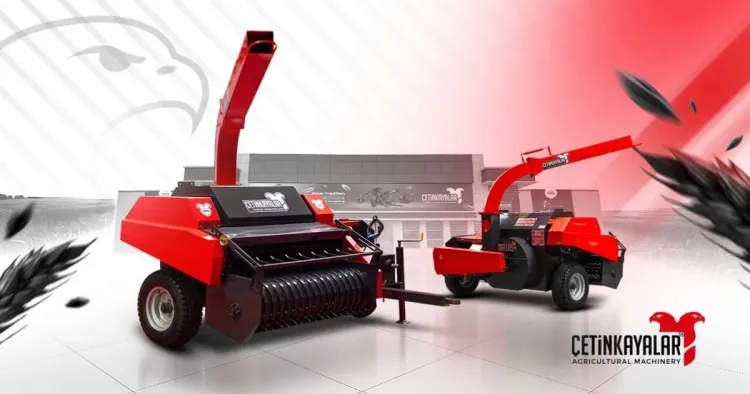
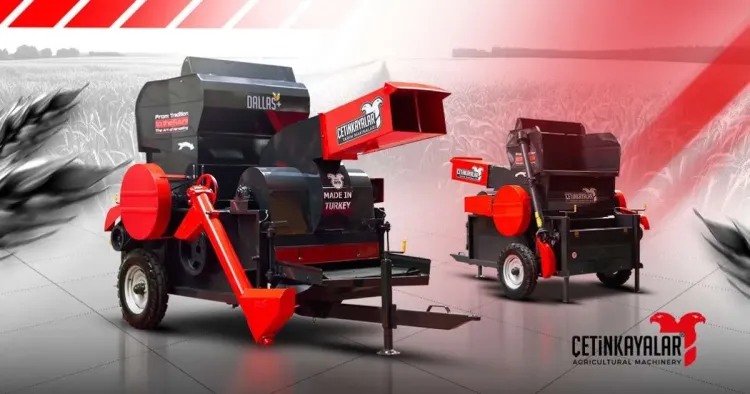
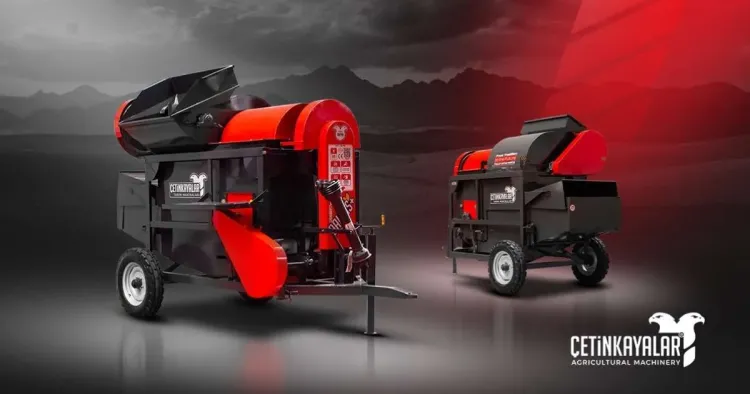
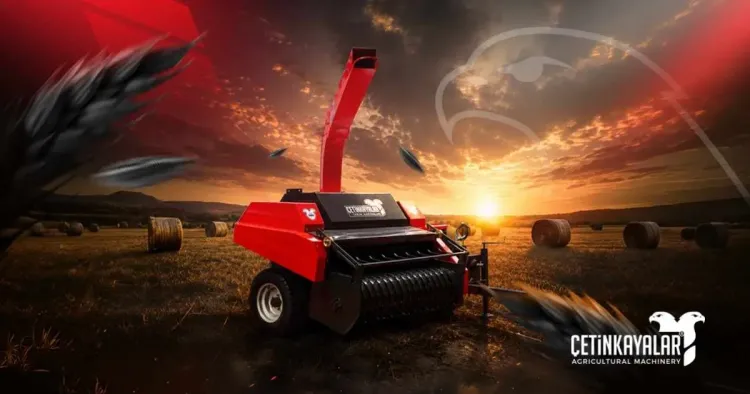
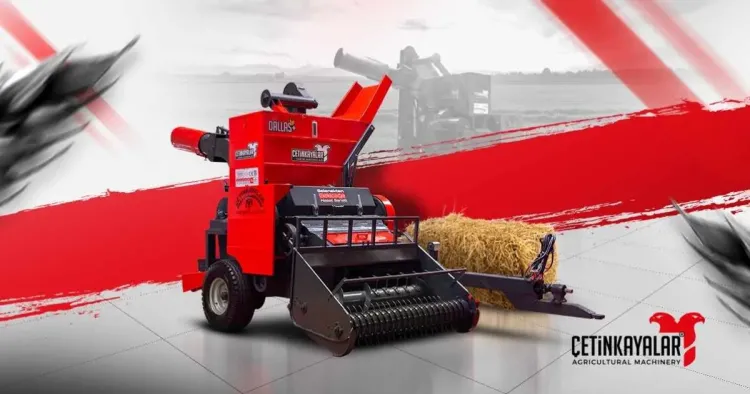
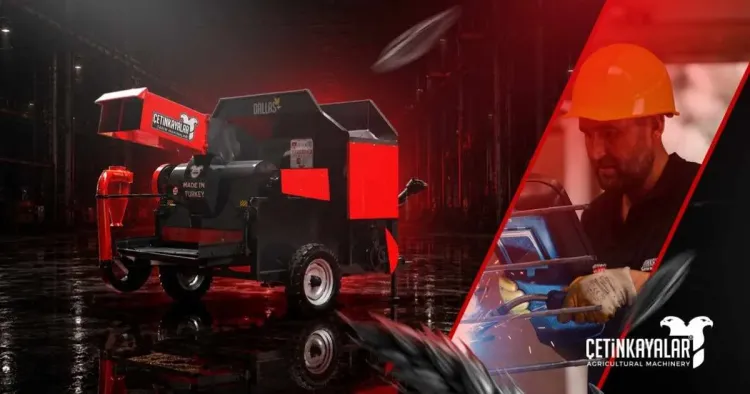
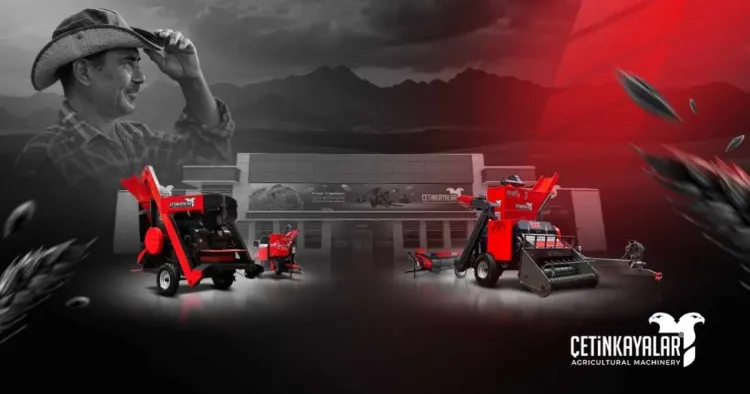
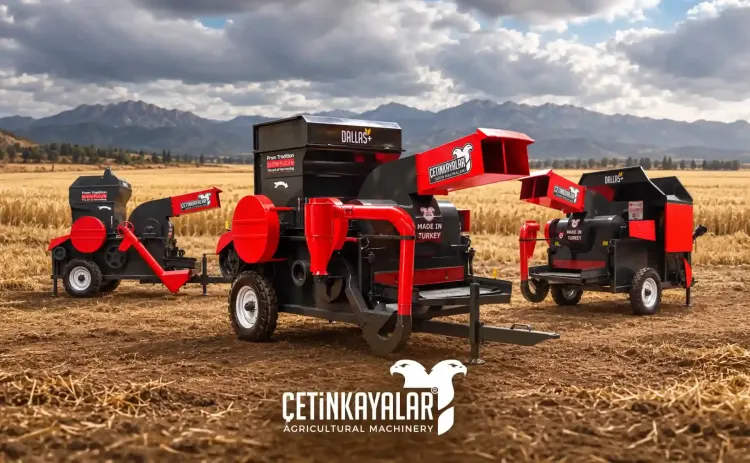
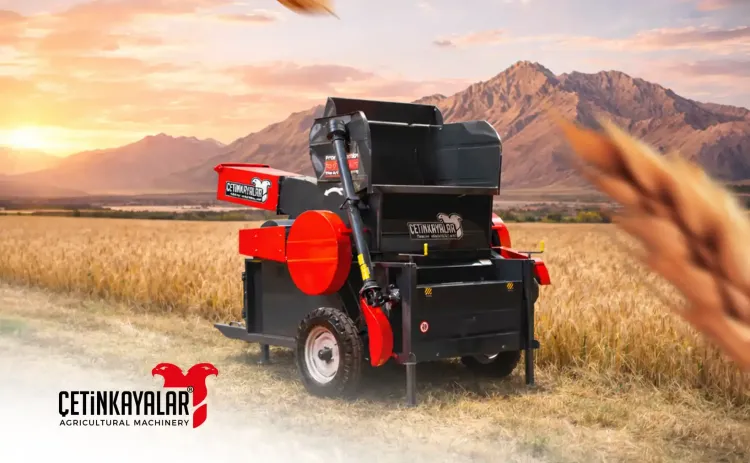
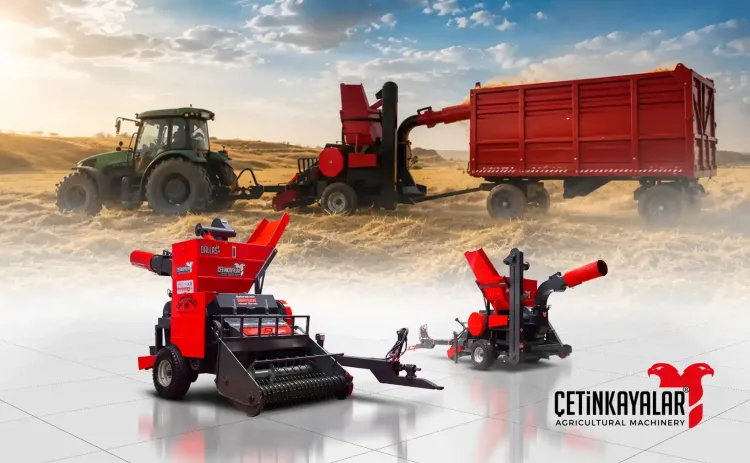
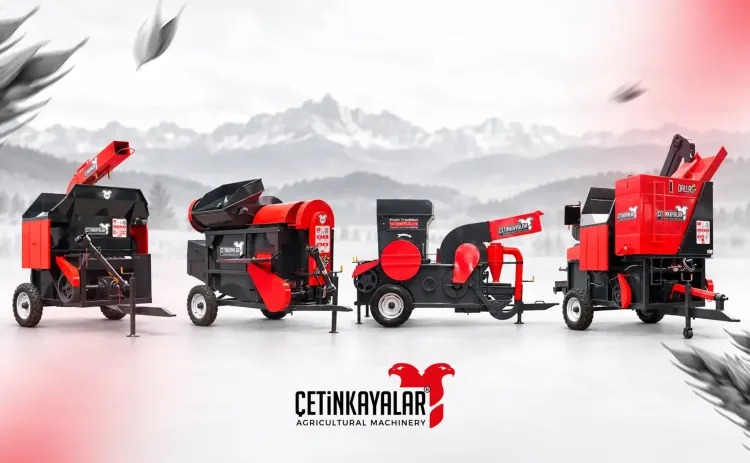
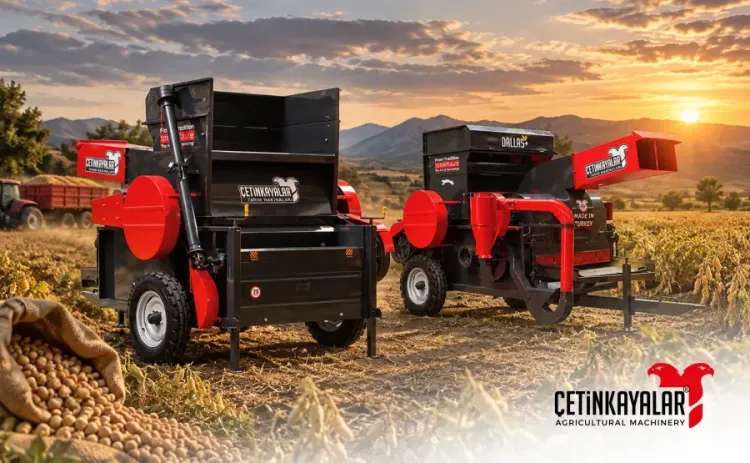
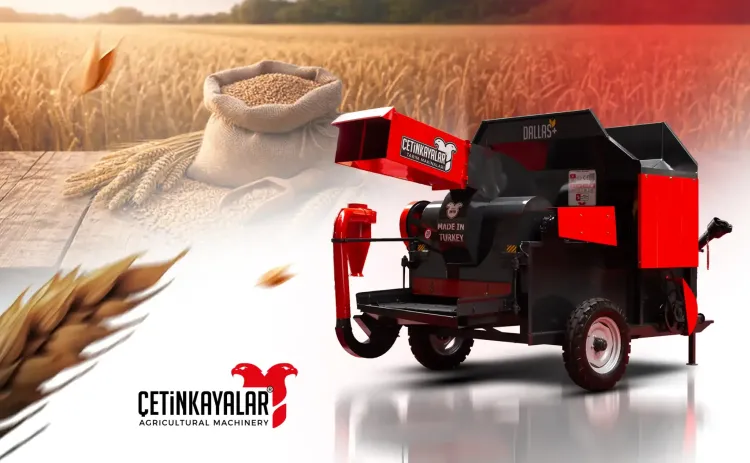
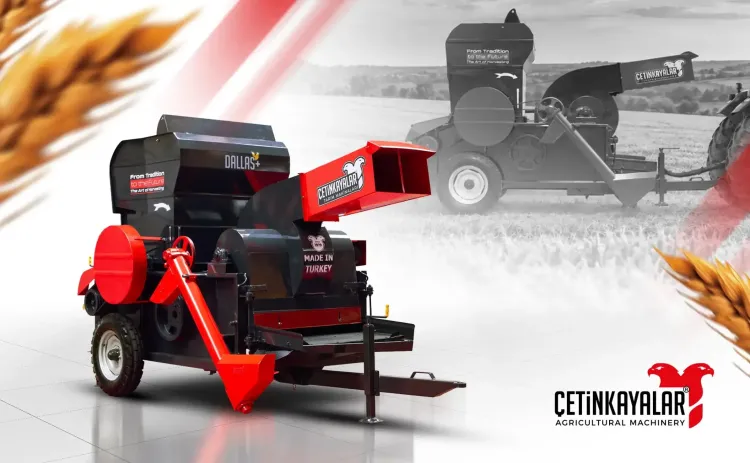
Çetinkayalar Tarım manufactures threshing machine models suitable for different crops and operating conditions. Shaft-driven, gearbox, storage, and collection-system models can be evaluated according to different producer requirements.
Capacity, crop type, and tractor compatibility should be considered when selecting a machine. In this way, producers can compare threshing machine prices and technical specifications together to determine the model that best suits their needs.
What options are available in Çetinkayalar threshing machines?
- Shaft-driven models
- Gearbox models
- Models with storage units
- Bagging systems
- Ball threshing models
- Sieve options suitable for different crops
As a result, a threshing machine is one of the important types of agricultural machinery used to separate grains from stalks in crops such as cereals and pulses. When researching threshing machine prices, both the purchase price and factors such as capacity, intended use, tractor compatibility, and service support should be taken into consideration.