
What Is the Difference Between Harvesting and Threshing?
In agriculture, harvesting and threshing refer to complementary but distinct processes. While harvesting covers gathering or cutting ripened crops from the field, threshing is the process of separating the grains from the stalks, straw and other plant parts. Harvesting and threshing machines used in these processes help production run in a more organized and efficient way.
What Is Harvesting?
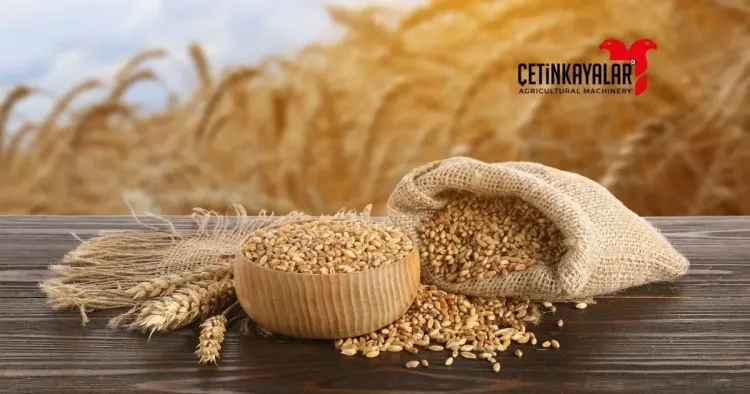
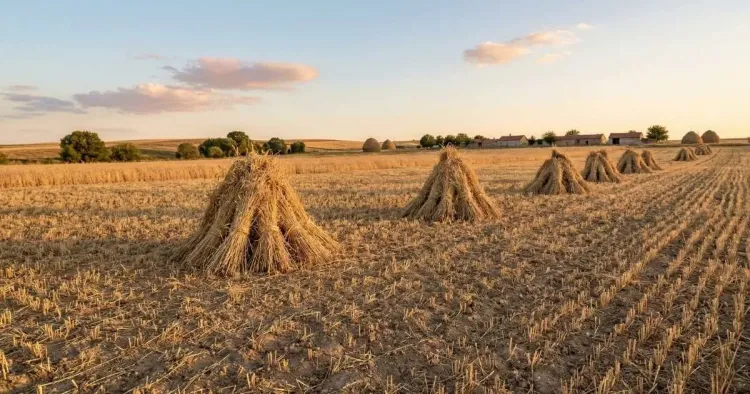
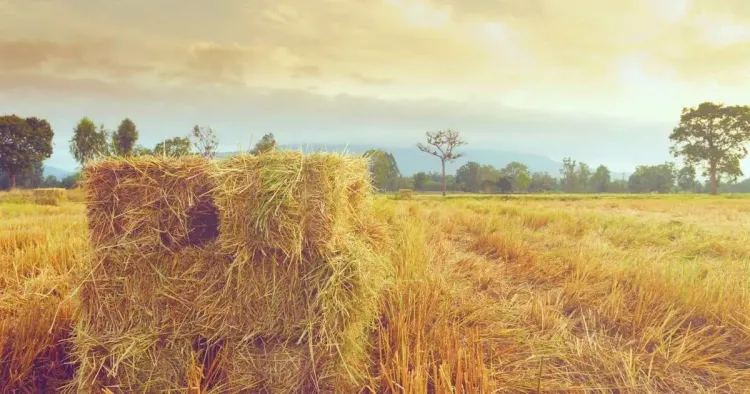
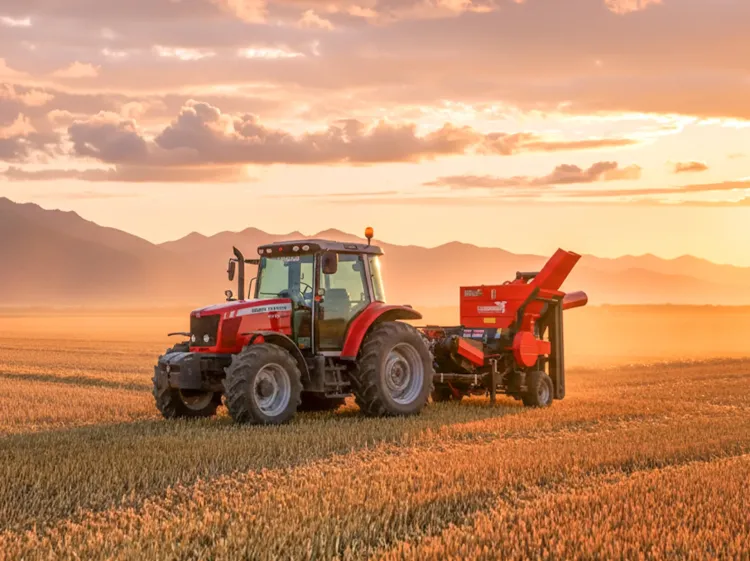
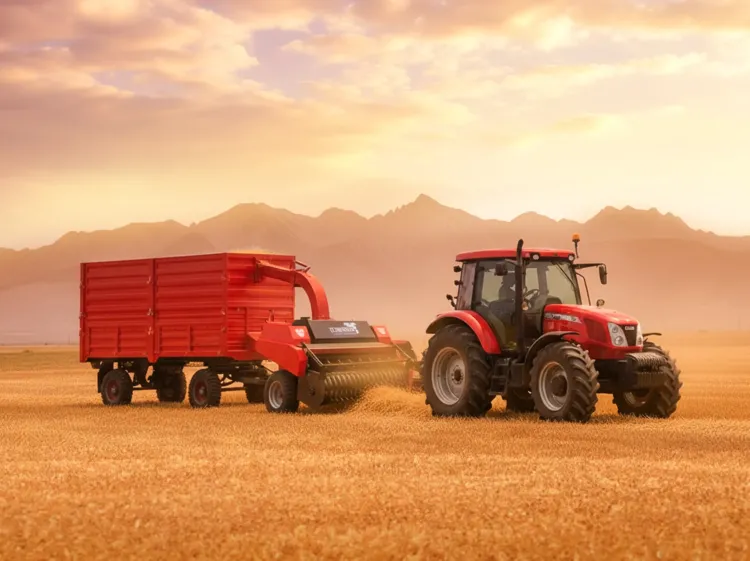
Harvesting is the process of taking cultivated crops from the field once they have ripened. For crops such as wheat, barley, lentils and chickpeas, the harvest period varies depending on the characteristics of the crop and the growing conditions.
When the crop is gathered from the field during harvest, different plant parts such as stalks, ears and grains may be present together. To prepare the crop for consumption or further processing, the threshing stage can follow the harvest.
What Is Done During Harvesting?
- Ripened crops are taken from the field.
- Crops are cut or gathered.
- Plant parts such as stalks and ears are prepared for separation from the crop.
- The gathered crop is made suitable for threshing.
- The machinery and equipment to be used are determined according to the crop type.
What Is Threshing?
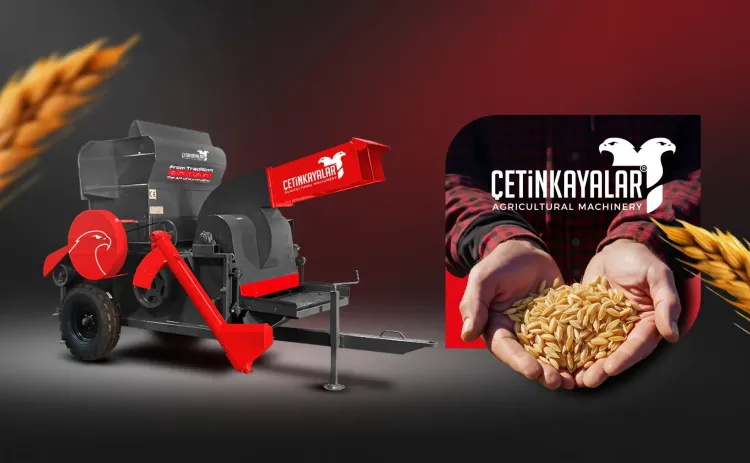
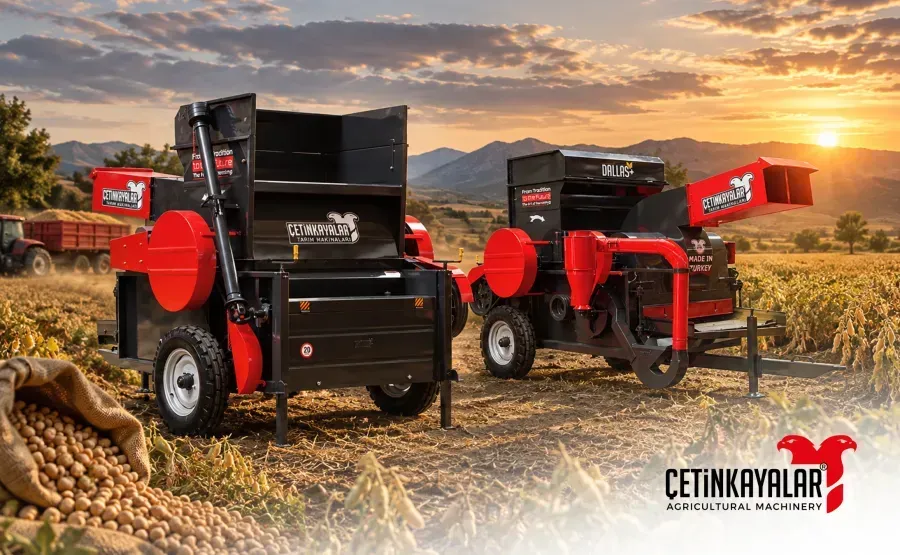
Threshing is the process of separating the grains in the harvested crop from the stalks, straw and other plant parts. While this process was carried out mostly by manual labor in the past, today it can be done using a threshing machine and various other agricultural machines.
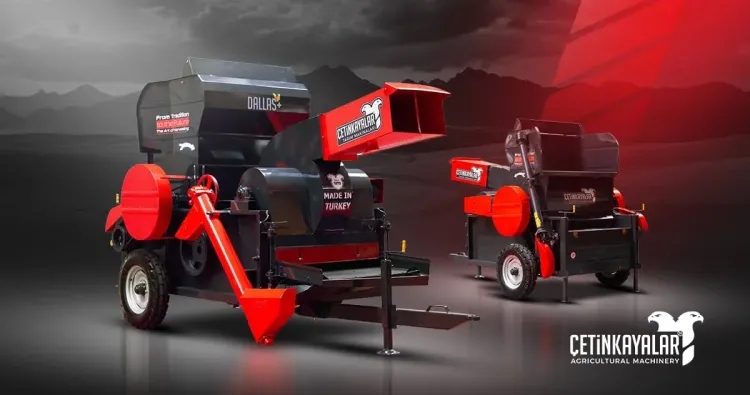
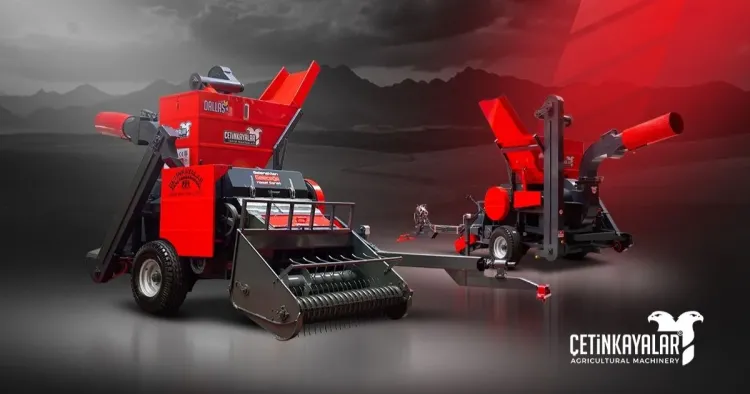
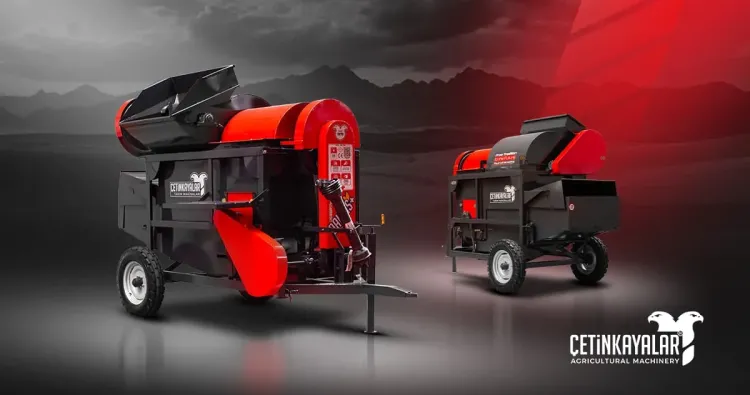
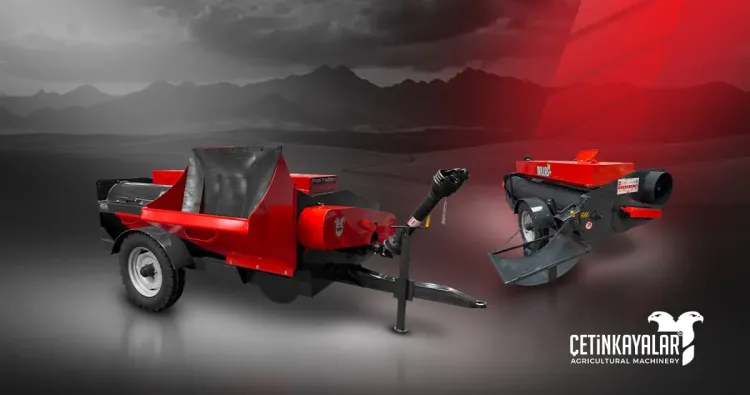
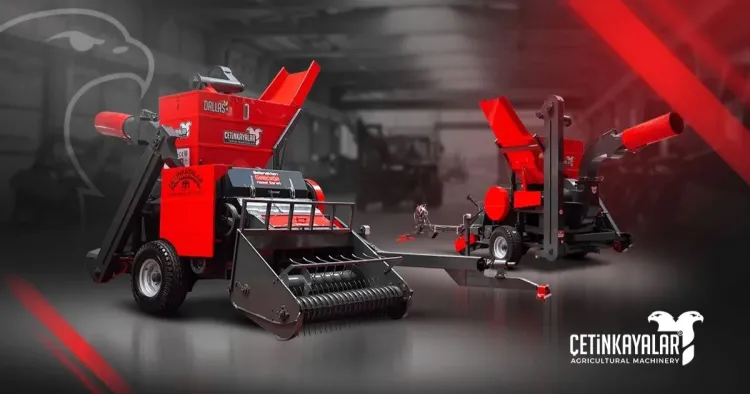
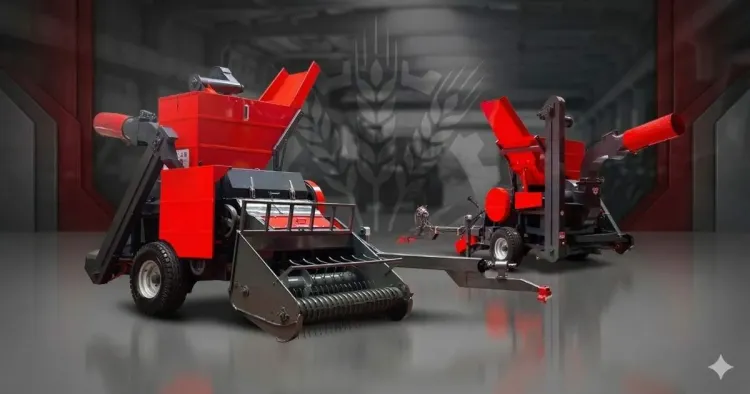
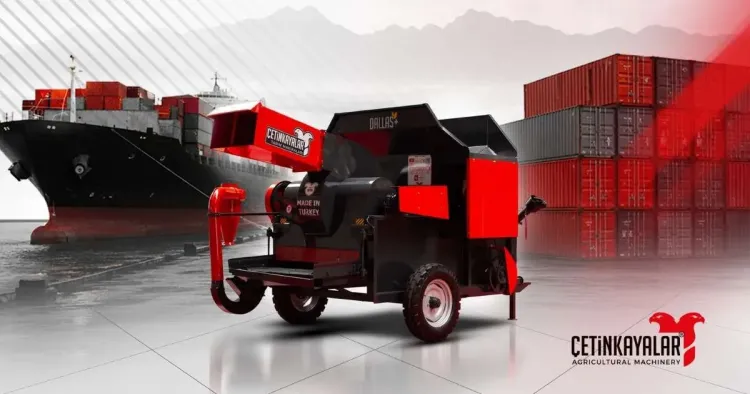
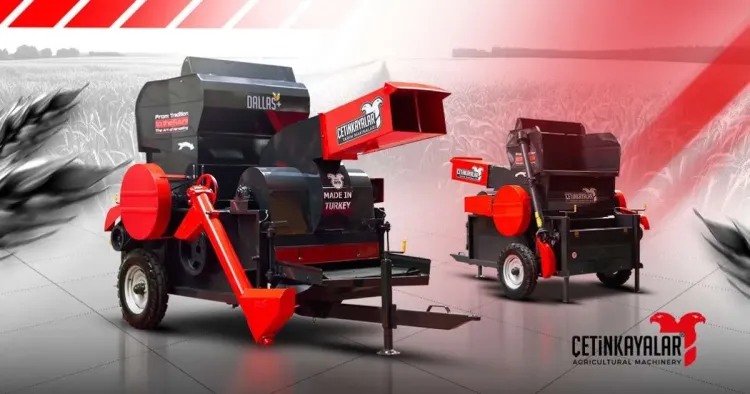
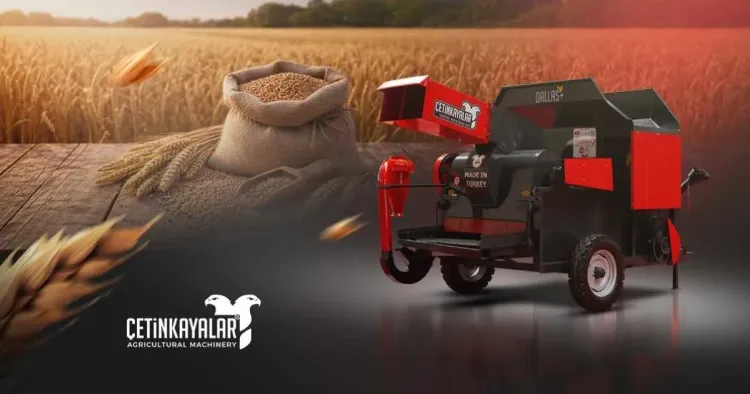
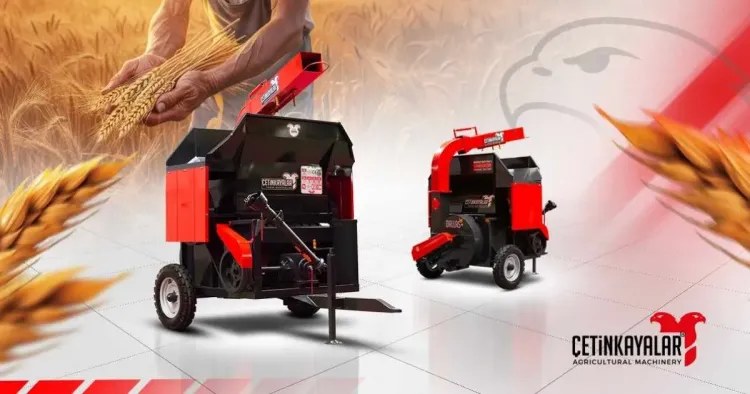
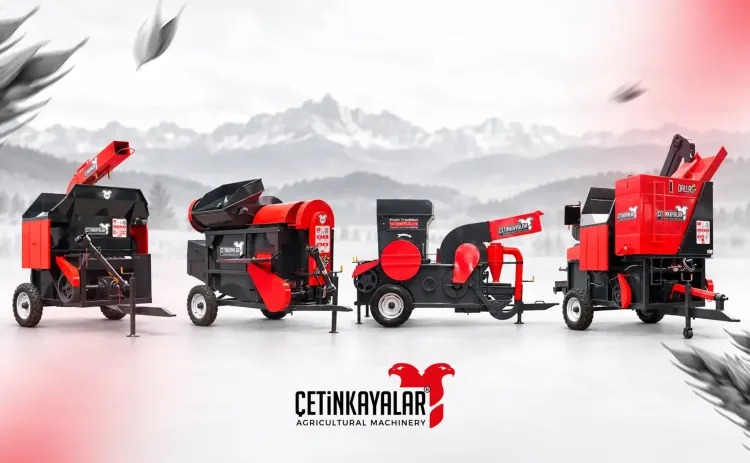
Especially used in processing cereals, a threshing machine passes the crop through various mechanical processes to help separate the grains. The machine's working system, capacity and the type of crop it is used for may vary by model.
What Is the Purpose of Threshing?
- Separating grains from stalks and straw
- Making the harvested crop suitable for processing
- Shortening the threshing time
- Reducing labor requirements
- Ensuring the crop is separated in a more orderly way
What Is the Main Difference Between Harvesting and Threshing?
The main difference between harvesting and threshing comes from their stages in the production process. Harvesting means taking the crop from the field, while threshing is the process of separating the grains within the gathered crop.
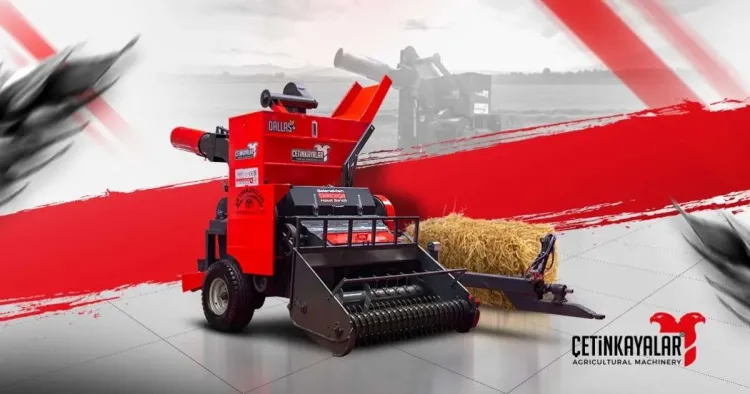
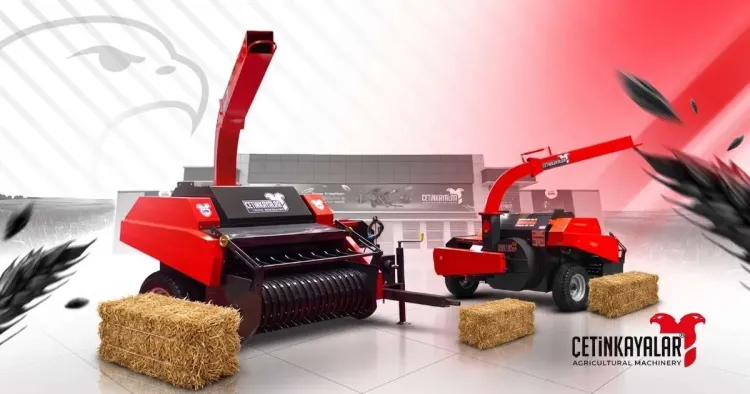
Therefore, harvesting refers to gathering the crop from the field, while threshing refers to separating the grains of the gathered crop from the stalks and other parts. Today, various harvesting and threshing machines can be used to carry out these two processes more quickly.
Harvesting vs. Threshing
- Harvesting: Cutting or gathering the crop from the field.
- Threshing: Separating the grains from the stalks, straw and other plant parts.
- Harvesting: Refers to the gathering stage of the production process.
- Threshing: The stage of separating the crop after harvest.
- Threshing machines: Help carry out the threshing process mechanically.
What Does a Threshing Machine Do?
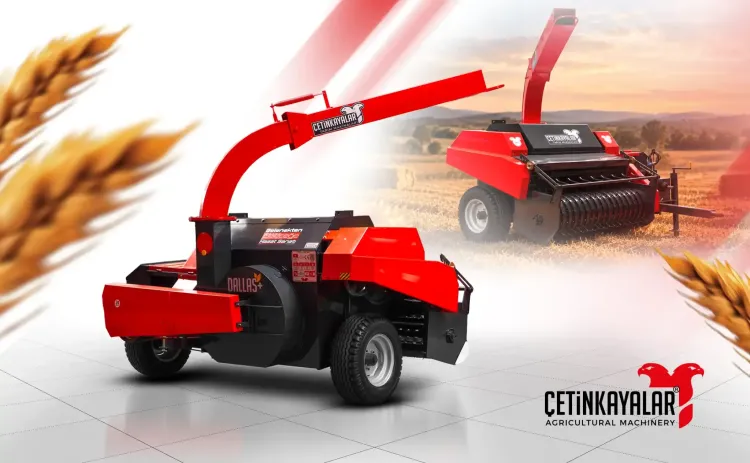
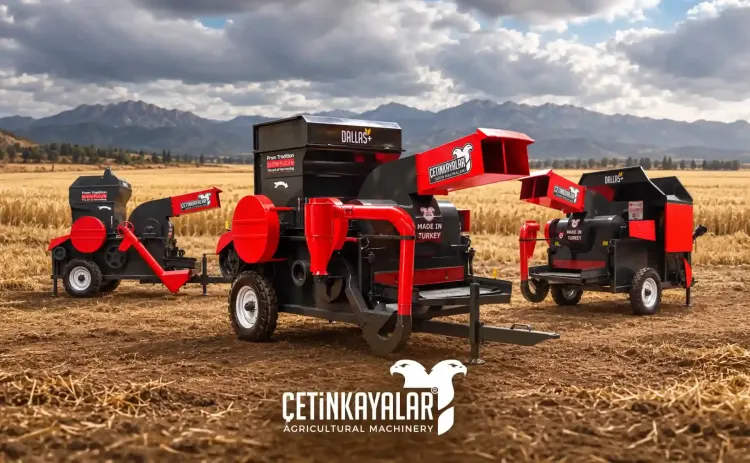
A threshing machine is used to separate the grains of crops obtained after harvest from the stalks, straw and other plant parts. Various models can be preferred, especially for threshing wheat, barley and different legumes.
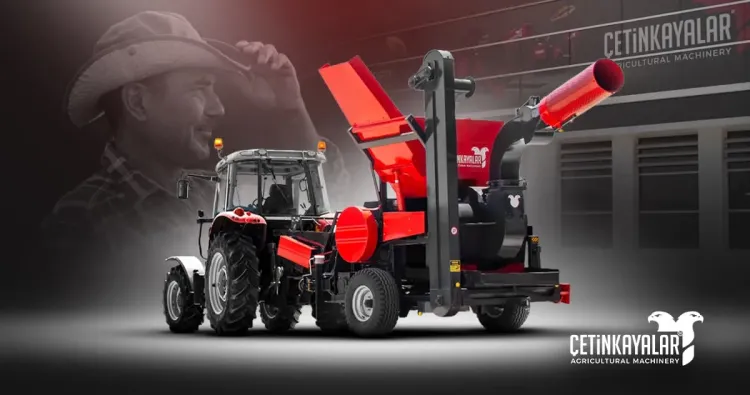
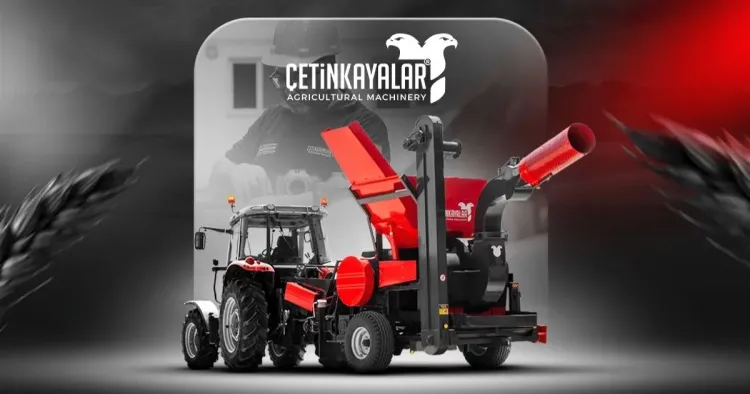
Today, threshing machine models with different capacities are available. When choosing a machine, features such as the type of crop to be processed, working capacity, area of use and tractor compatibility should be taken into account.
Key Features of Threshing Machines
- Working options suitable for different crops
- Various capacity alternatives
- A working system designed to separate the grains of the crop
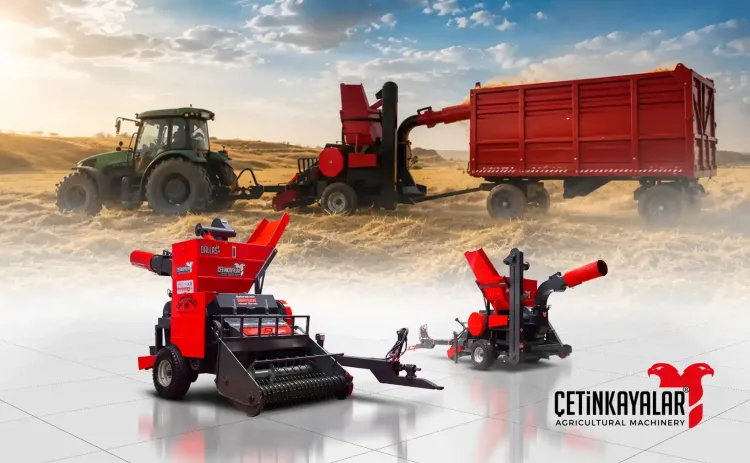
- Models suitable for operation with a tractor
- Technical specifications that vary by area of use
How Were Old Threshing Machines Used?
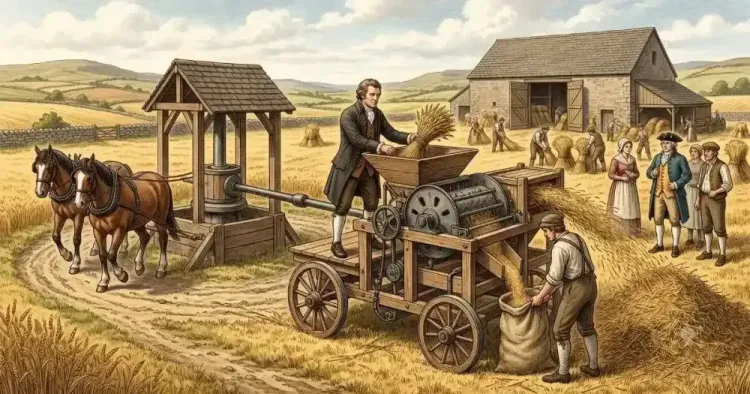
Before agricultural machinery became widespread, threshing was carried out mostly using human and animal power. Later, with the development of mechanical systems, old threshing machine models came into use.
The modern machines used today can be considered improved versions of past systems. Old threshing machine models are also important in showing the development of agricultural machinery over time.
The Evolution of Threshing Systems
- Traditional methods relied on human and animal power.
- The use of mechanical systems reduced labor requirements.
- Threshing machines with different capacities were developed.
- Different working systems emerged according to crop type.
- Efficiency and ease of use came to the forefront in modern threshing machine models.
What Is a Thresher?
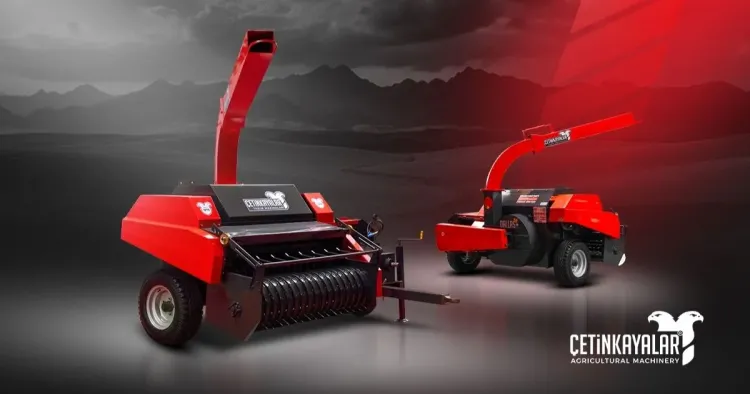
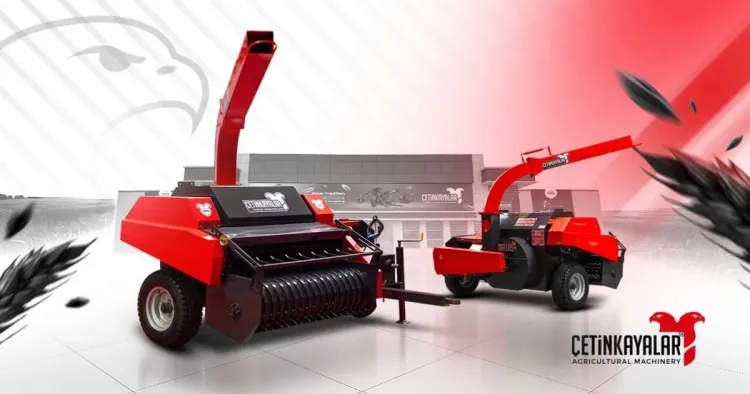
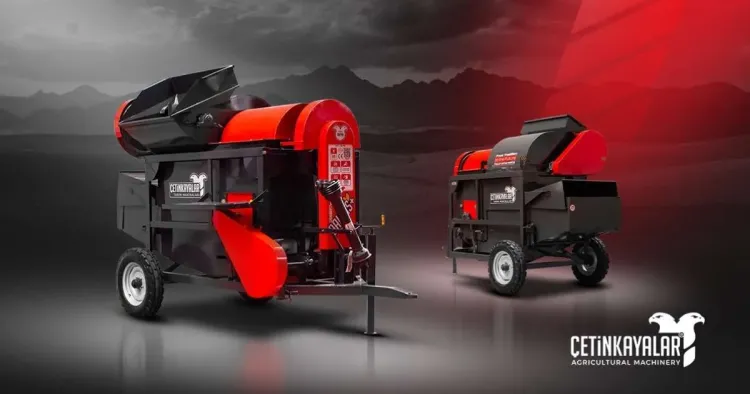
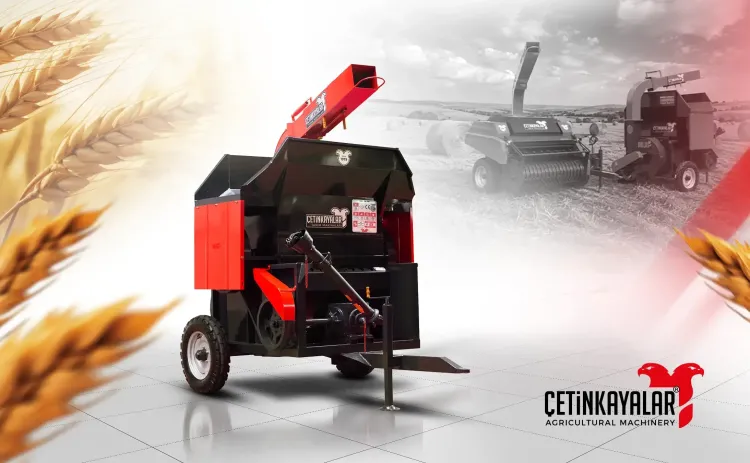
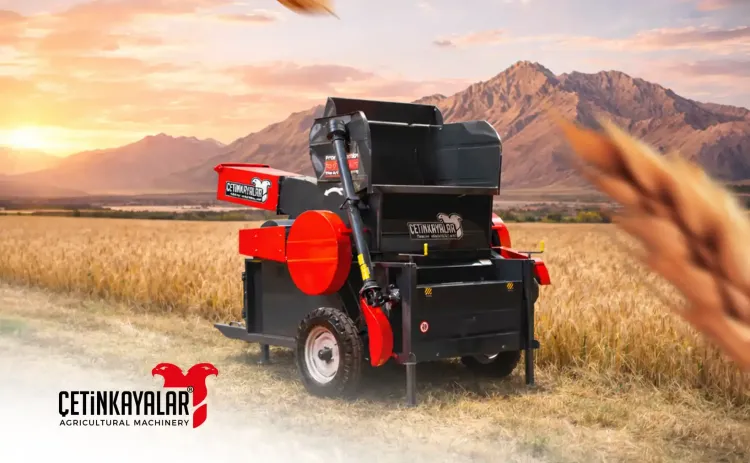
A thresher is one of the types of machines used for threshing harvested crops. The main purpose of thresher systems is to separate the grains within the crop from the stalks and other plant parts.
Used especially for cereal crops, a thresher can help speed up the processing of the crop. The working system and capacity may vary between models.
What Do Threshing Machine Prices Depend On?
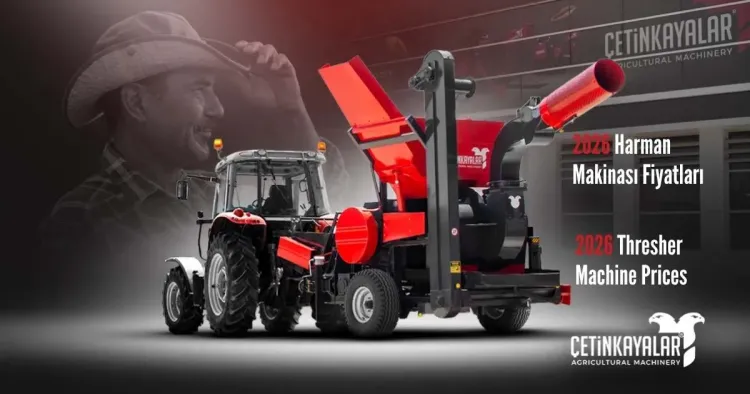
Threshing machine prices may vary depending on the machine's model, capacity, technical specifications and the equipment used. Therefore, when researching prices, you should consider not only the purchase cost of the machine but also the intended use and the required capacity.
Since technical specifications can differ for machines used with different crops, it is normal to see differences in threshing machine prices. To choose the right machine, the crop type and working conditions should be evaluated together.
What Should You Consider When Choosing a Threshing Machine?
- The type of crop to be processed
- Daily or seasonal working capacity
- The machine's working system
- Tractor and power compatibility
- Maintenance and service options
- Access to spare parts
- The machine's area of use
- Threshing machine prices
Why Should Harvesting and Threshing Be Considered Separately?
Although harvesting and threshing are different processes, they are complementary stages in agricultural production. Taking the crop from the field begins with harvesting, while separating the grains from the stalks and other plant parts continues with threshing.
For this reason, choosing the right threshing machine can contribute to carrying out post-harvest operations in a more organized way. Harvesting and threshing machines that meet your needs should be evaluated according to the crop type and working conditions.
Frequently Asked Questions About Harvesting and Threshing
Are harvesting and threshing the same thing?
No. Harvesting is the process of gathering or cutting the crop from the field. Threshing, on the other hand, is separating the grains in the harvested crop from the stalks, straw and other plant parts.
What is a threshing machine used for?
A threshing machine is used to separate the grains of harvested agricultural crops from the stalks and other plant parts.
What is a thresher used for?
A thresher helps separate the grains of cereals and various other agricultural crops through threshing.
What is the difference between old threshing machines and new models?
Old threshing machine models may have different technical and mechanical systems compared to the models used today. Newer machines may offer improved features such as ease of use, capacity and compatibility with different crops.
Why do threshing machine prices differ?
Threshing machine prices may vary depending on the model, capacity, technical equipment, intended use and the machine's features.