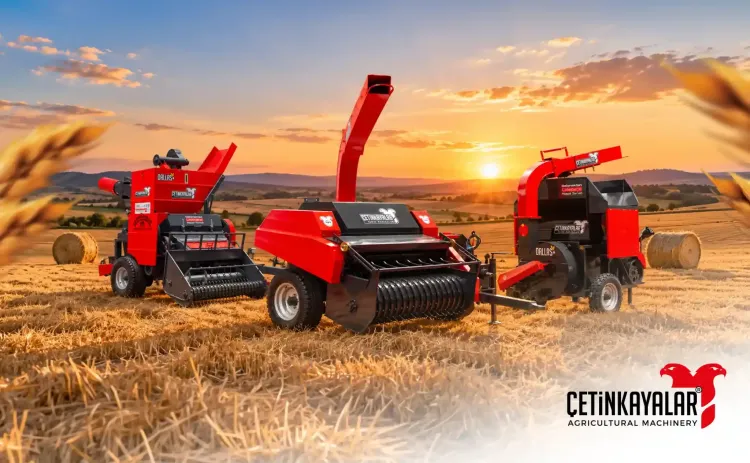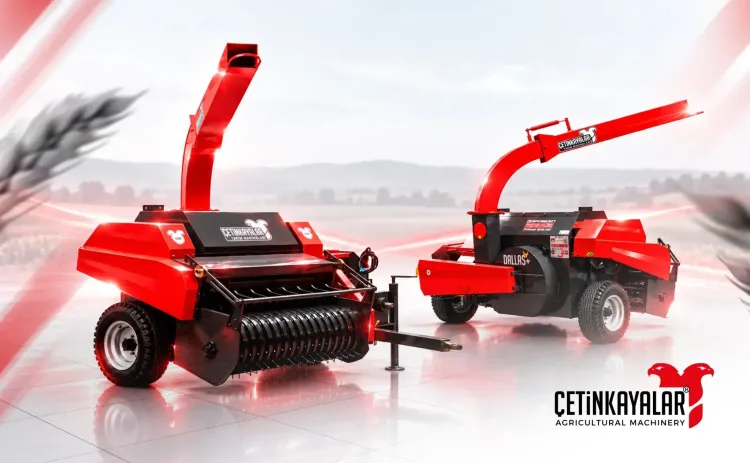


Differences Between a Pick-Up Thresher and a Threshing Machine
Among the machines used to separate grain from straw during harvest, the two most often confused are the pick-up thresher and the threshing machine. Both do the same basic job: they beat the crop with a drum (beater) system to separate the grain from the straw. However, they differ significantly in how the crop reaches the machine, how much labour they require and how they operate. In this article, we look at the differences between the two machines, their areas of use and the criteria to consider when choosing one.
What is a threshing machine?
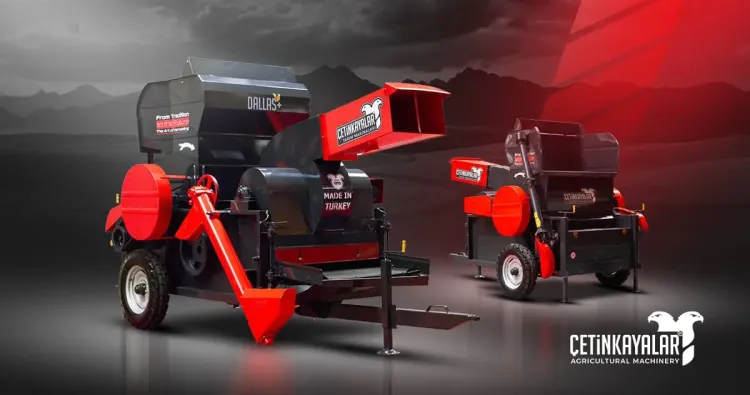
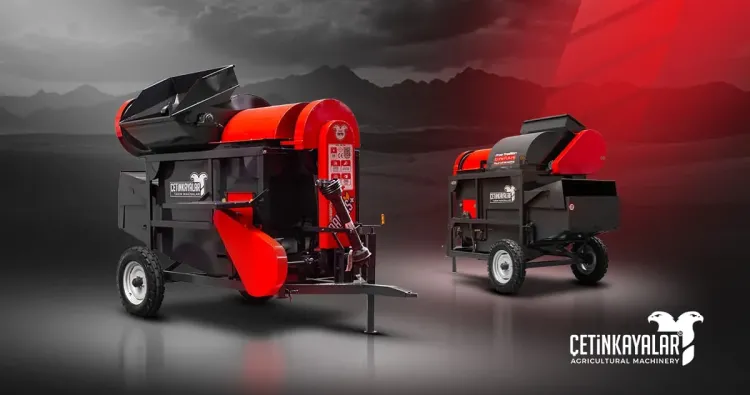
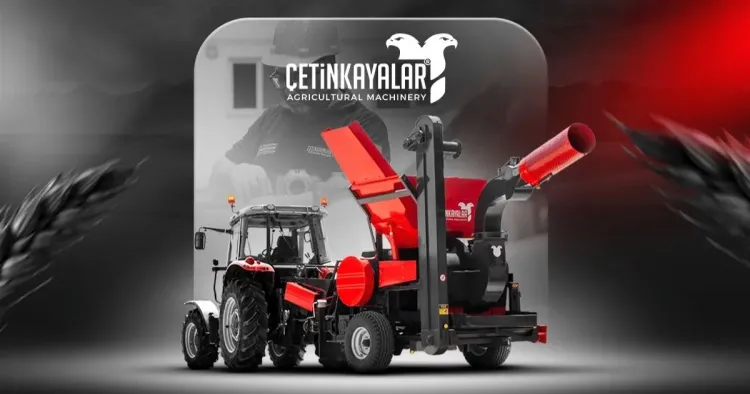
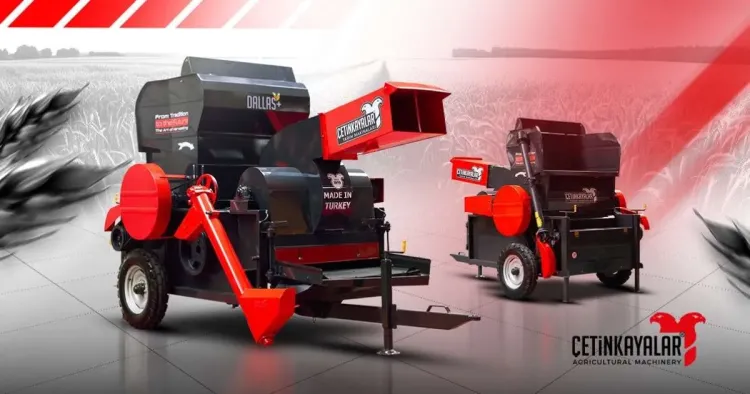
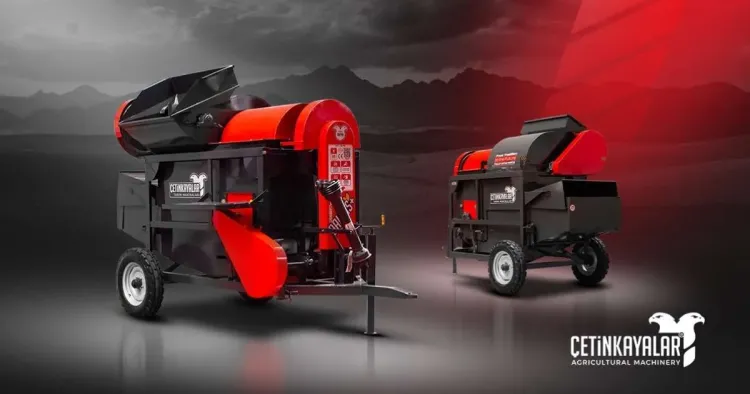
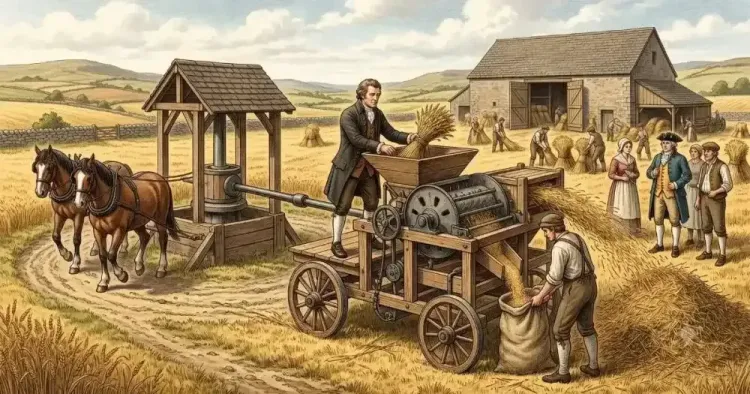
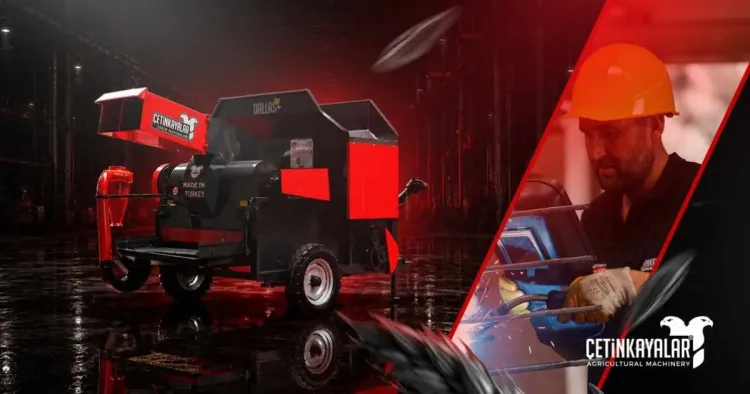
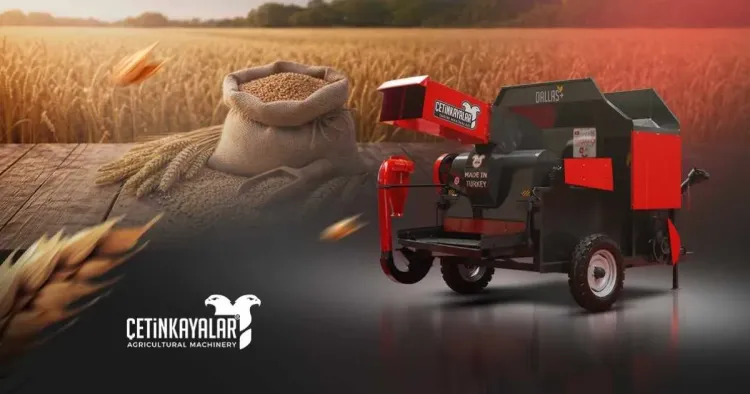
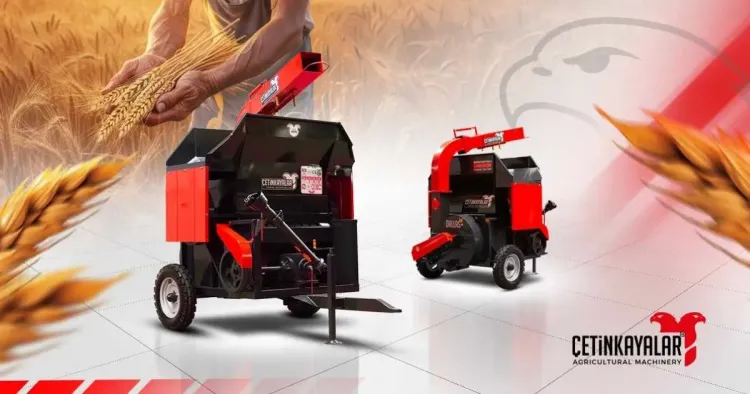
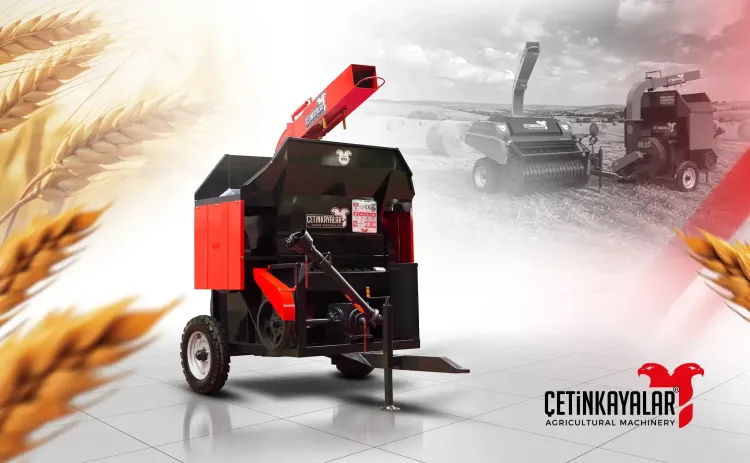
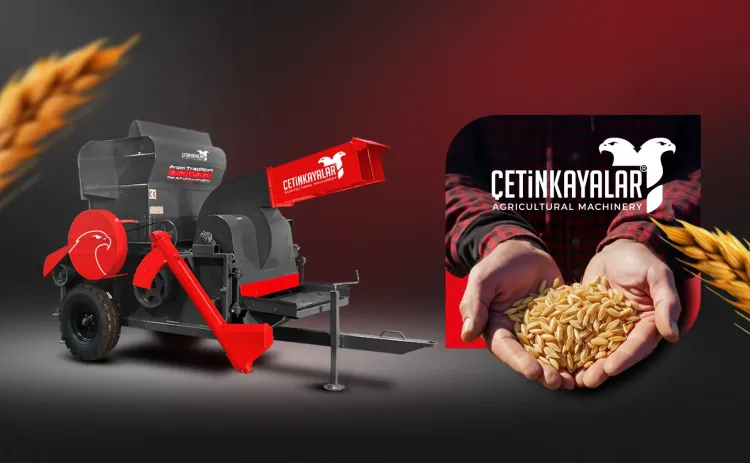
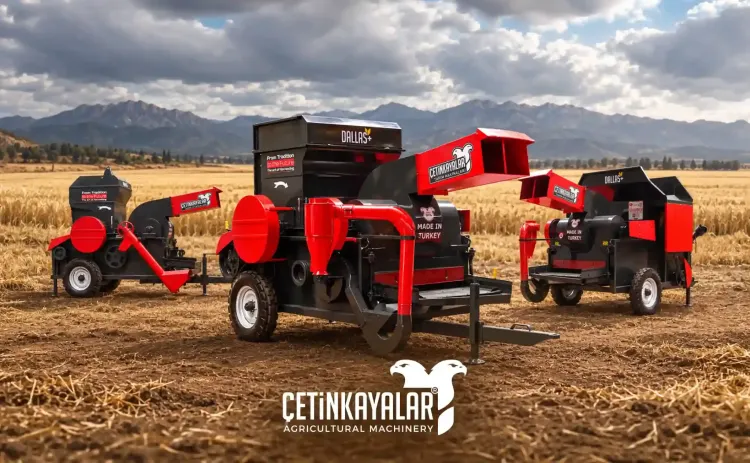
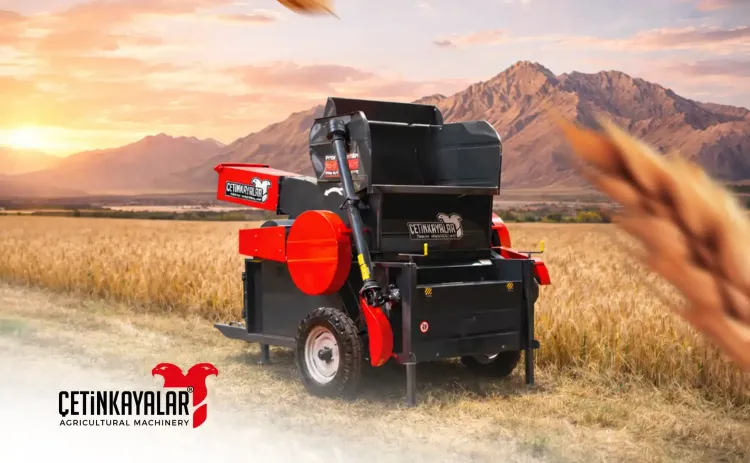
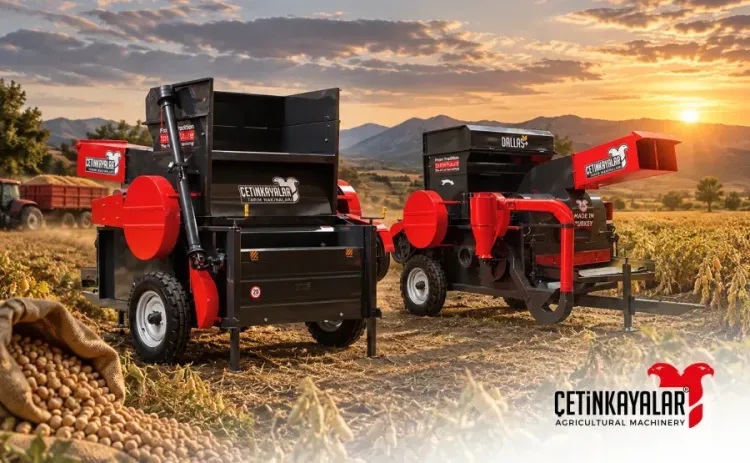
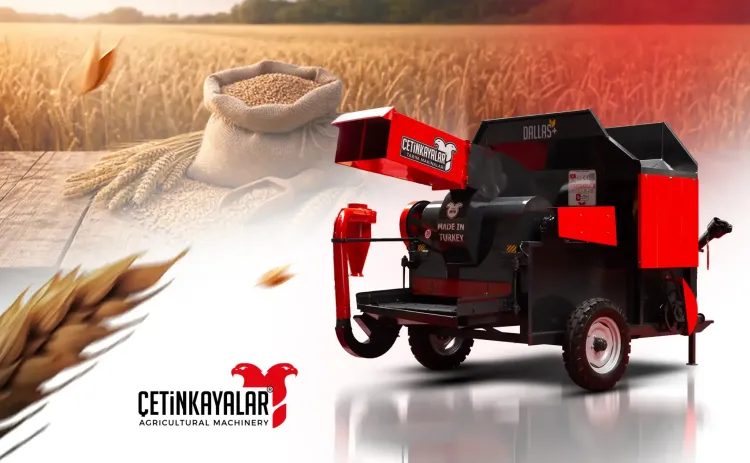
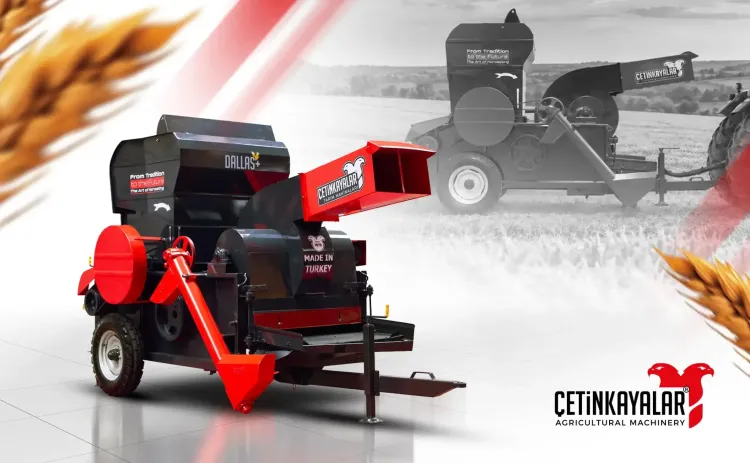
A threshing machine is an agricultural machine used to separate the grain from the straw of harvested crops. It is also commonly known as a thresher machine or simply a thresher. Powered by the tractor's PTO shaft, the threshing machine beats the crop in the drum, cleans it on the sieves and transfers the grain into bags, an auger or a hopper.
In classic models, the crop is fed into the machine by hand or with a pitchfork. The machine can work in a fixed position at a threshing yard or, in mobile models, move across the field behind the tractor.
Which crops is a threshing machine used for?
-
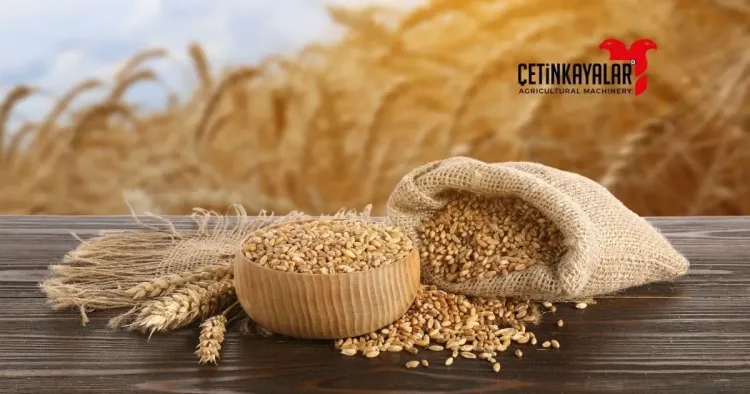
Wheat
-
Barley
-
Oats and rye
-
Chickpeas and lentils
-
Beans and broad beans
-
Vetch
With the right sieve and pulley settings for each crop, a wheat threshing machine can also be used to thresh a variety of other crops.
What is a pick-up thresher?
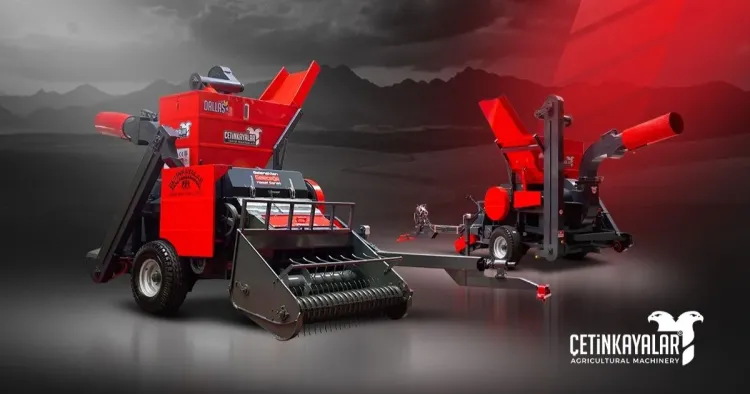
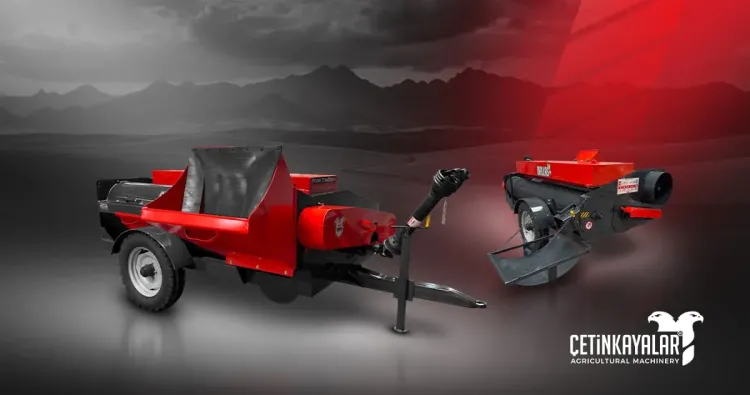
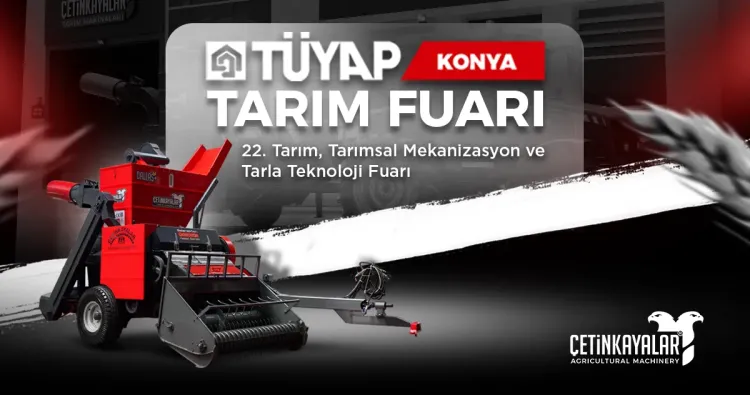
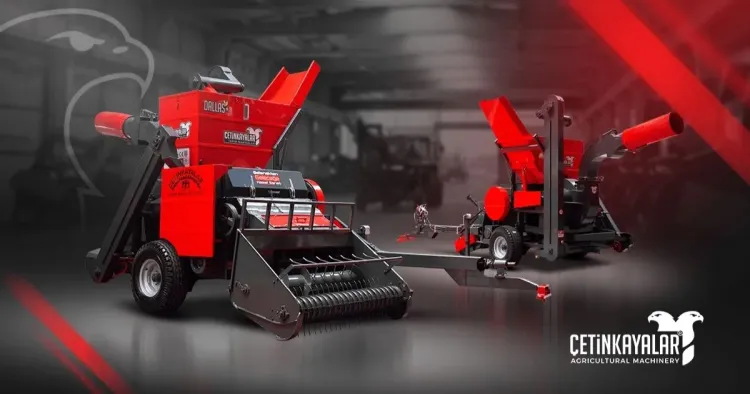
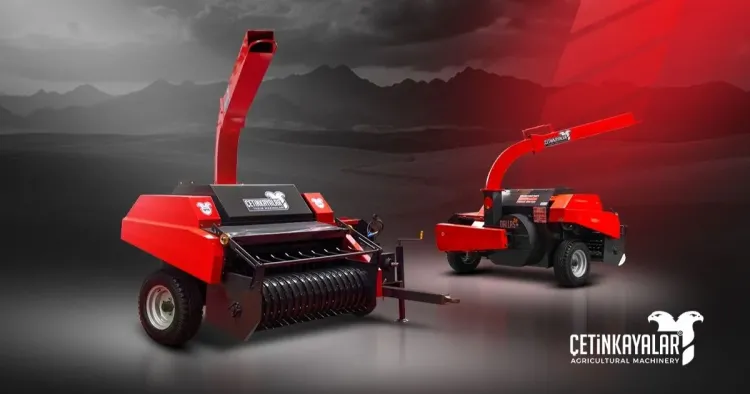
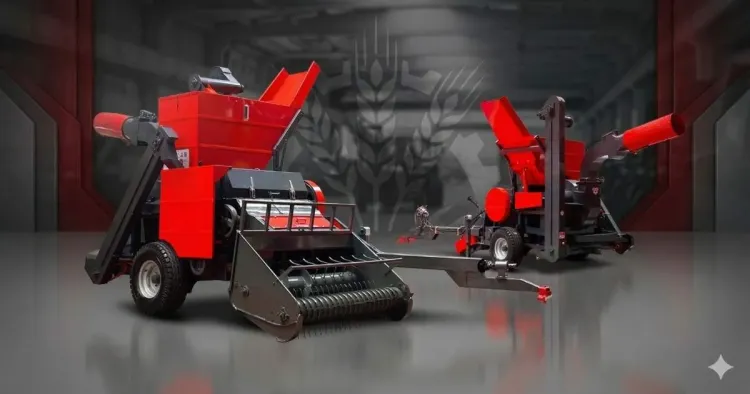
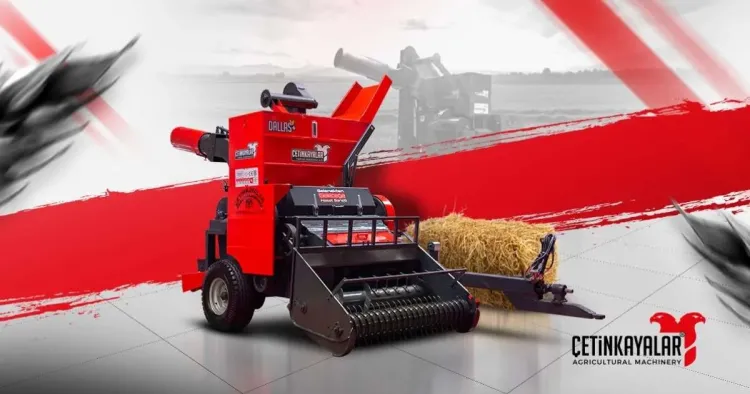
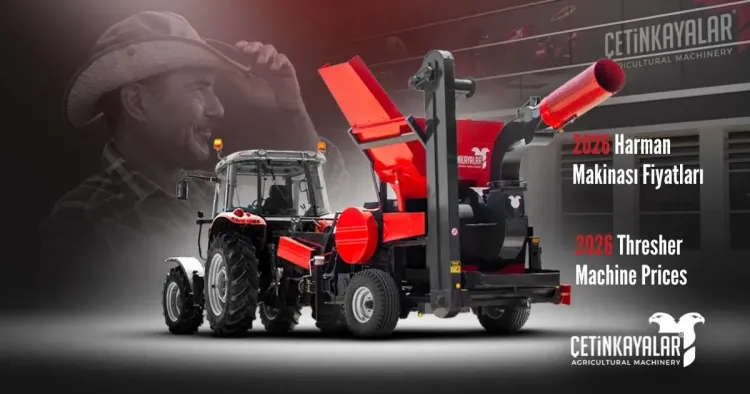
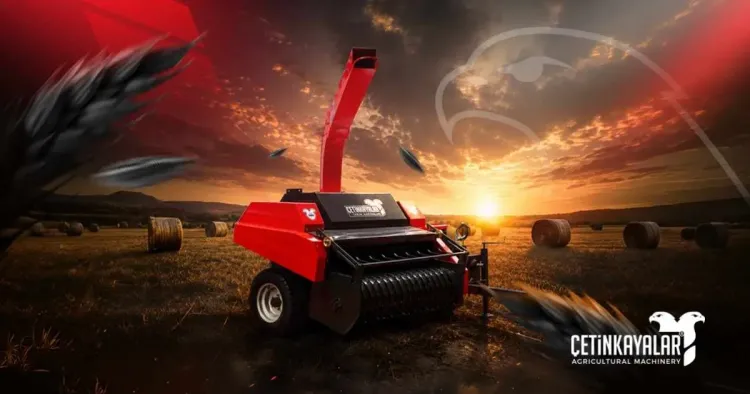
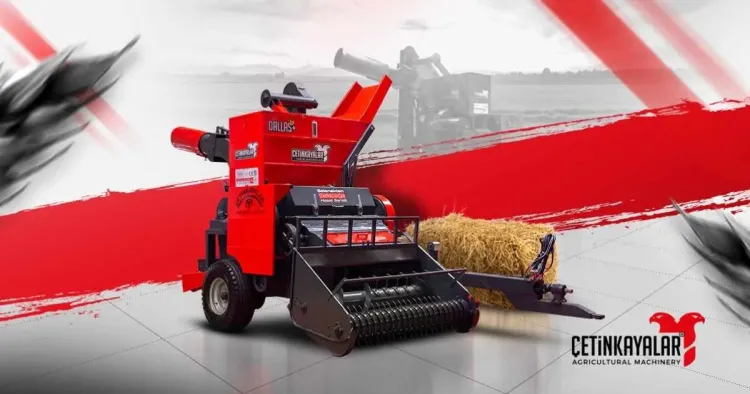
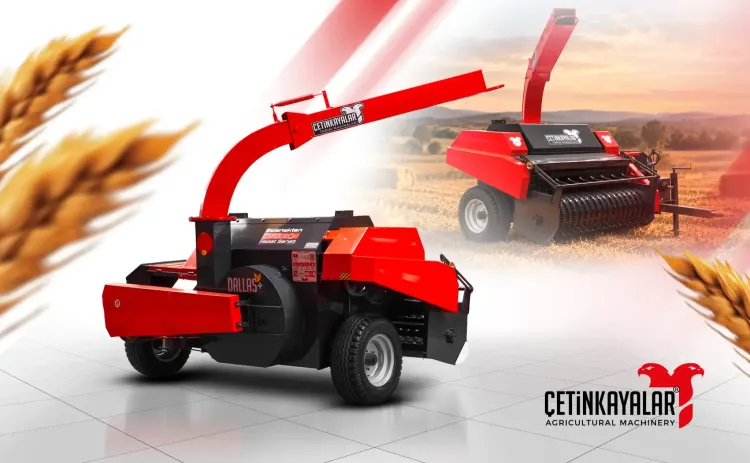
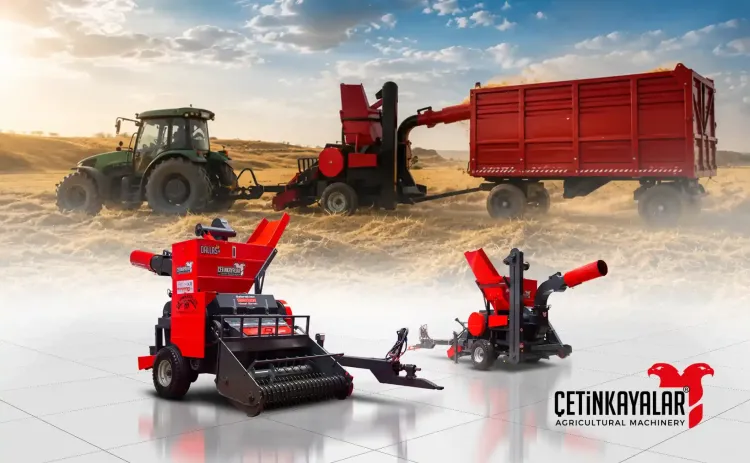
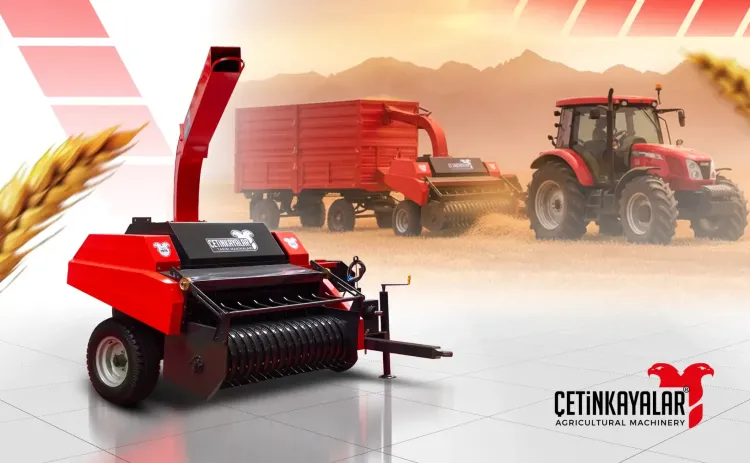
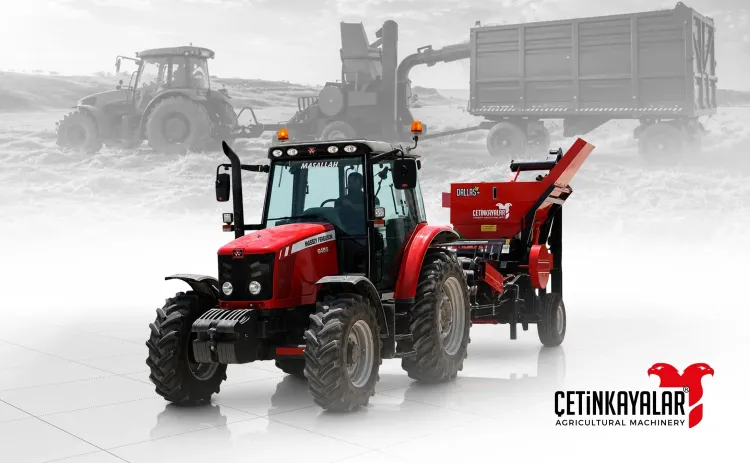
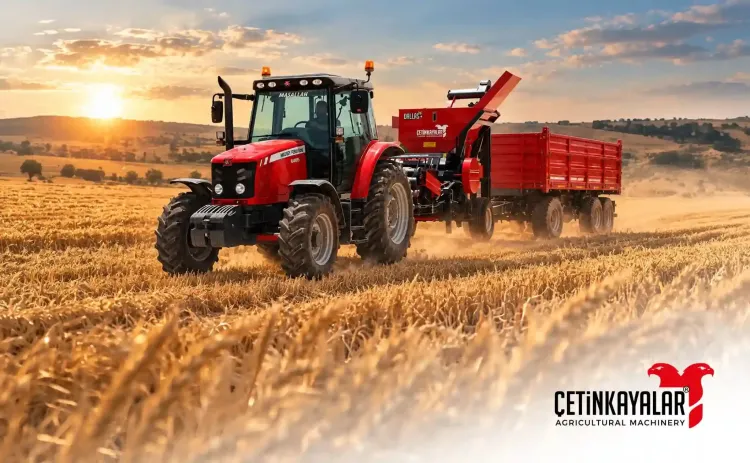
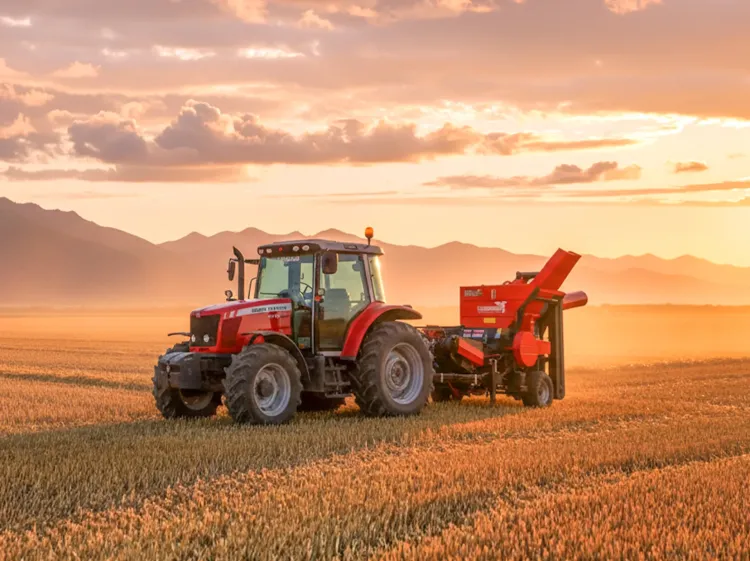
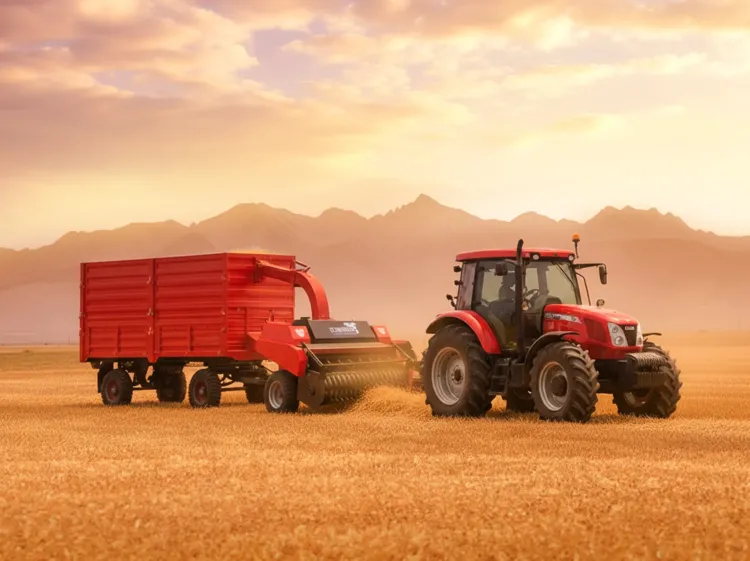
A pick-up thresher is a type of thresher that works behind a tractor and picks up the crop from the field by itself before threshing it. Unlike a classic thresher, the crop is not fed into the machine by workers. The pick-up unit at the front of the machine collects the crop lying in windrows on the ground and delivers it directly to the drum.
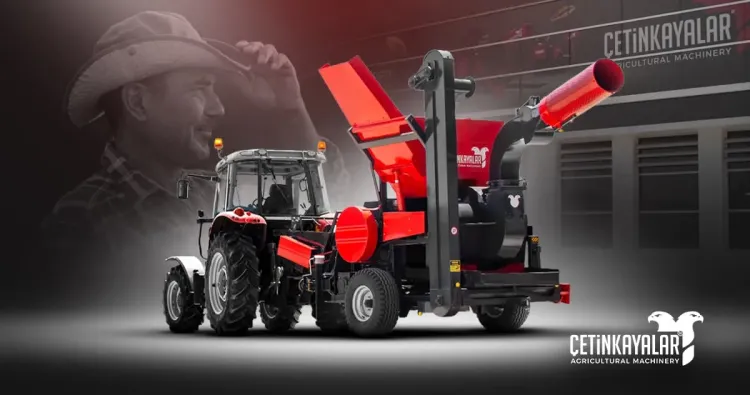
A tractor-mounted pick-up thresher works on a principle similar to a combine harvester, but it uses the tractor's power instead of its own engine. It can therefore be seen as a solution that sits between a combine harvester and a classic thresher.
What are the features of a pick-up thresher?
-
It picks up the crop from the ground automatically.
-
It eliminates the need for workers to feed the machine.
-
It collects, threshes and stores the grain in a single operation.
-
It is powered by the tractor's PTO shaft.
-
It reduces the workload, especially when harvesting pulses.
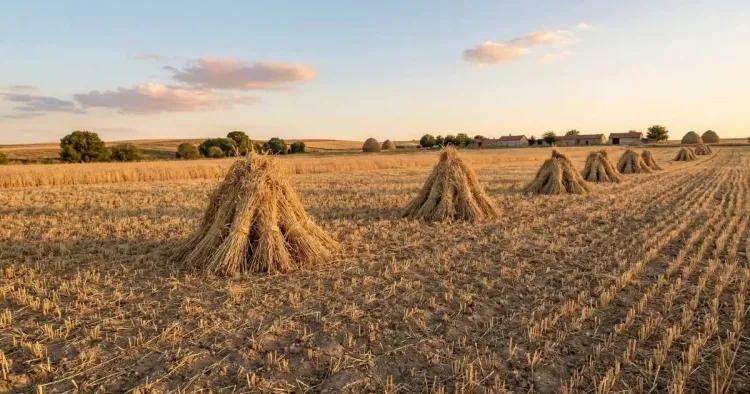
For the machine to work efficiently, the crop must be cut and laid in windrows beforehand.
Key differences between a pick-up thresher and a threshing machine
The most obvious difference between the two machines is the feeding method. In the classic model, the crop is fed into the machine by hand, whereas the pick-up thresher collects the crop from the ground by itself. This difference has a direct impact on the labour needed for the harvest.
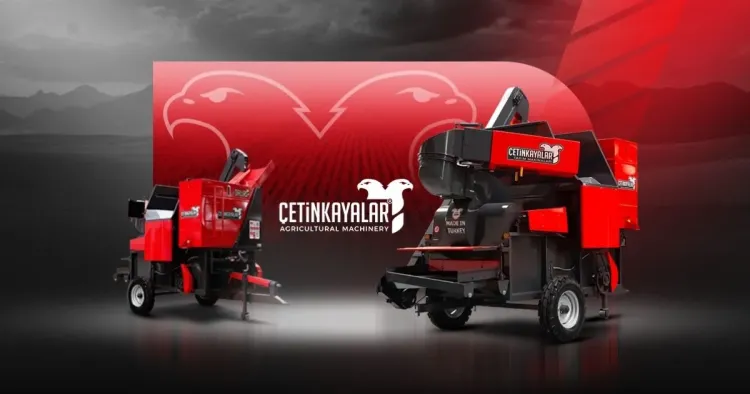
The weight and power requirements of the machines also differ. Because of its pick-up unit and larger hopper, the pick-up thresher needs a more powerful tractor. For example, Çetinkayalar's PTO driven NCK-01 HM threshing machine weighs 1,450 kg, while the NCK-04 TD pick-up thresher weighs 2,600 kg and requires a tractor of at least 48 HP.
A quick comparison
-
Feeding: By hand in a classic thresher, automatic pick-up in a pick-up thresher
-
Labour: The classic model needs workers for feeding, the model with a pick-up unit does not
-
Working area: The classic model works in a fixed position or on the move, the pick-up thresher works while moving across the field
-
Grain transfer: Bags, auger or hopper in the classic model; usually a hopper in the pick-up model
-
Tractor power: The pick-up model requires more power
-
Investment cost: Pick-up thresher prices are generally higher due to the additional equipment
Which machine is more suitable depends on the size of the farm, the available labour and the crop to be processed.
Is a combine harvester the same as a pick-up thresher?
A combine harvester is a large self-propelled harvesting machine that cuts, threshes and cleans the crop in a single pass. Tractor-mounted machines, on the other hand, usually pick up crops that have already been cut. The two are therefore not the same machine.
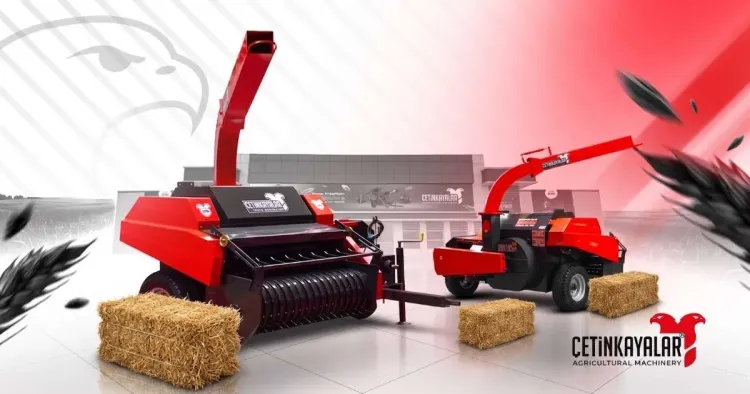
On small, fragmented or sloping land where a combine harvester struggles to operate, and in pulse harvesting, tractor-mounted machines can be more practical. The stalks left in the field after a combine harvester can be turned into straw with a straw chopper.
When can a tractor-mounted thresher be an alternative to a combine harvester?
-
On small and fragmented plots where a combine harvester struggles to operate
-
When harvesting pulses such as chickpeas, lentils and beans
-
In periods when finding a combine harvester is difficult or costly
-
On farms that want to harvest with their own tractor
Should you buy a threshing machine or a pick-up thresher?
When choosing, you should first consider the crop to be processed and the size of your land. For small and medium-sized farms, a PTO driven or gearbox driven threshing machine can be an economical solution. On large fields and in regions where labour is hard to find, models with a pick-up unit save time and labour costs.
When comparing threshing machine prices with pick-up thresher prices, you should look not only at the purchase price but also at labour costs, fuel consumption and service support.
Questions to answer before you decide
-
Which crops will you thresh?
-
How large and how steep is your land?
-
Can you allocate workers for feeding?
-
How many HP is your tractor?
-
Do you want to collect the grain in bags or in a hopper?
-
Are spare parts and service support available near you?
Çetinkayalar threshing machine models
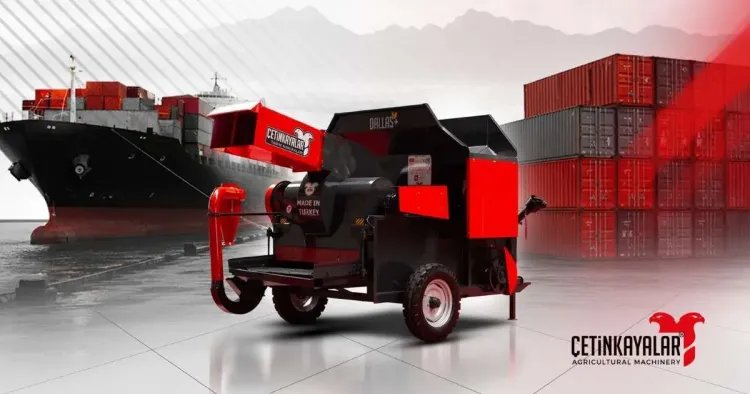
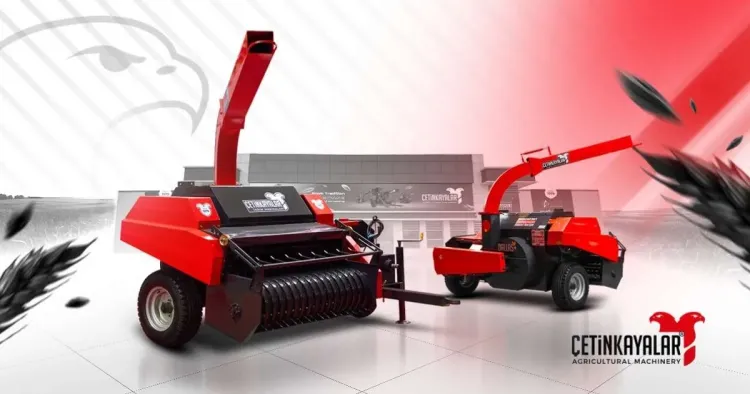
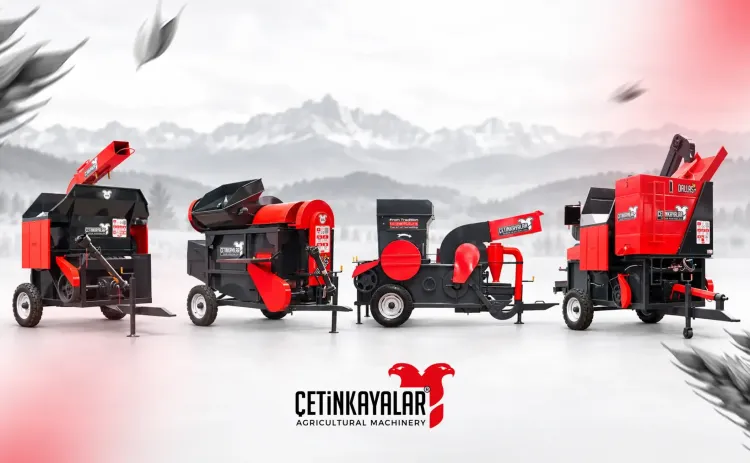
Çetinkayalar Tarım offers a wide range of threshing machines, from PTO driven and gearbox driven bagging models to hopper and pick-up models. The NCK-04 TD pick-up thresher, which works on the pick-up principle, collects the crop from the ground and threshes it. The NCK-01 HM and NCK-01 HMS models are economical solutions that work with classic feeding.
To choose the right model for your farm and get up-to-date information on threshing machine prices, please contact Çetinkayalar Tarım.